
Hugin and Munin — Odin's ravens in Norse mythology
Hugin and Munin are the two ravens linked to the Norse god Odin. Their names mean thought and memory; they scout the world, bring news to Odin, and serve as longstanding symbols of knowledge and remembrance.
Overview
Hugin and Munin are the pair of ravens most often associated with the chief deity in Norse tradition, Odin. In stories they fly out across the world to gather information and then return to their master, carrying reports of what they have seen and heard. They are among the best-known animal companions in the Norse mythic corpus and are commonly seen as extensions of Odin's awareness.
Image gallery
6 Images


Names and meanings
Their Old Norse names are usually rendered as Huginn and Muninn and are commonly translated as "thought" (Hugin/Huginn) and "memory" (Munin/Muninn). Scholarly discussion treats these names as symbolic: together they suggest mental faculties that complement the god's role as a seeker of wisdom. The ravens themselves are a literal animal form familiar in northern Europe, often linked to scavenging and battlefields; see a general note on ravens here.
Attestations and sources
Accounts of the ravens appear in medieval Icelandic compilations that preserve earlier oral tradition, notably the Poetic and Prose Eddas. Those texts describe Odin sending them out each morning and receiving their news by evening. One passage famously records Odin expressing concern that one of the birds might not return, an image that has been read as an illustration of the fragility of memory and thought.
Roles, symbolism and characteristics
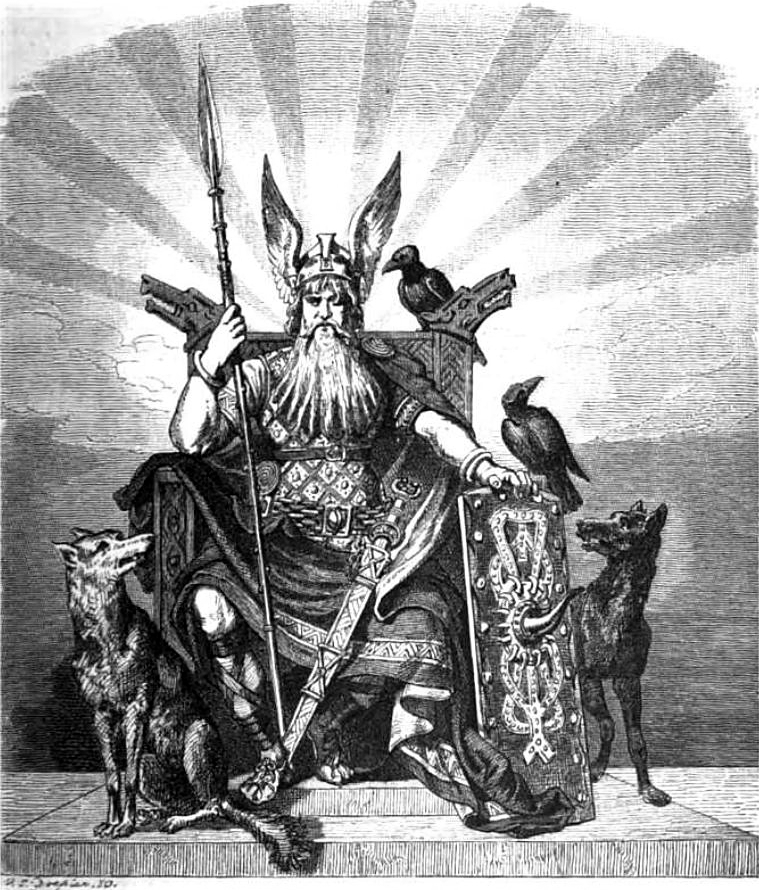
Hugin and Munin function as messengers, spies and symbolic aspects of the mind. Their daily flights link Odin to the world of humans and gods alike. In art and interpretation they are sometimes presented perched on his shoulders, a visual shorthand for his reach and intelligence. They are distinct from Odin's wolves (Geri and Freki) by their informational rather than martial role.
Archaeology, art and cultural influence
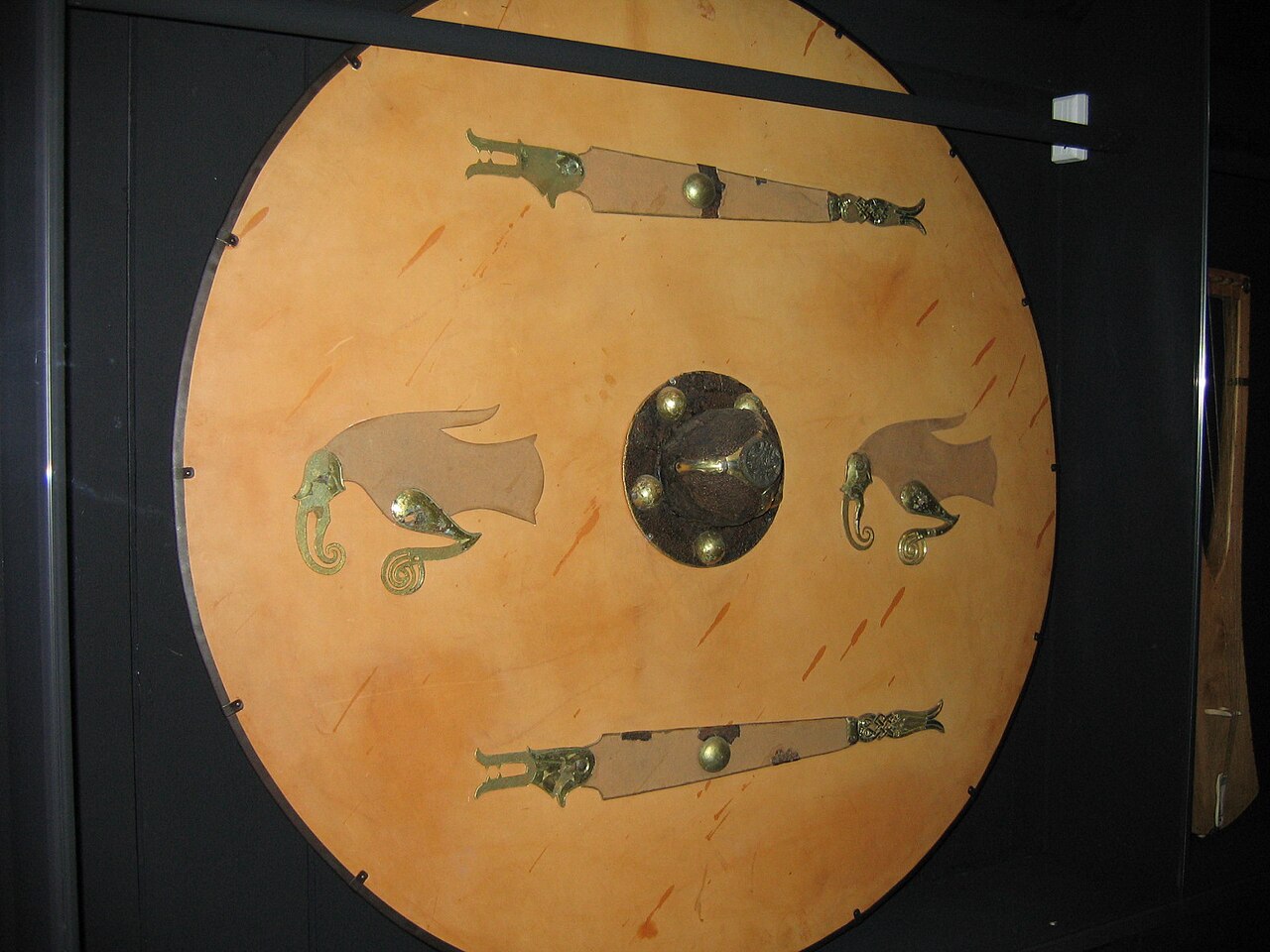
Raven imagery occurs in Viking Age material culture—on runestones, metalwork and seals—where the bird can carry both secular and religious meanings. In later centuries Hugin and Munin have appeared in literature, visual art, and contemporary media, often as emblems of insight or as literal animal characters inspired by the myths. Modern treatments vary from faithful retellings to symbolic or psychological interpretations; for a concise introduction to wider sources see further reading.
Notable distinctions
- They are primarily messengers and observers rather than combatants.
- Their names emphasize mental functions rather than physical attributes.
- They appear in a limited number of medieval texts but have a large cultural footprint.
Because the surviving accounts were written down centuries after the earliest oral traditions they reflect both ancient beliefs and later editorial shaping. Nonetheless, Hugin and Munin remain central figures for understanding how Norse myth addressed knowledge, memory and the means by which a deity might remain informed about the wider world.
Related articles
Author
AlegsaOnline.com Hugin and Munin — Odin's ravens in Norse mythology Leandro Alegsa
URL: https://en.alegsaonline.com/art/45586