
Hugo Alvar Henrik Aalto (Alvar Aalto)
Finnish architect and designer who shaped 20th-century modernism through human-centred, organic buildings, furniture and lighting. Known for designs that combine function, natural materials and sensitive use of light.
Hugo Alvar Henrik Aalto was a Finnish architect and designer, born February 3, 1898 and died May 11, 1976. Widely recognized for advancing modern architecture, Aalto combined functional planning with organic forms and careful attention to materials and human comfort. His work ranges from public institutions and private houses to furniture and lighting.
Design approach and characteristics
Aalto rejected purely industrial aesthetics in favour of a human-centred modernism. He used natural materials—especially wood—and sculptural forms to soften strict functional planning. Daylight, acoustics and the experience of moving through space are recurring concerns in his projects. His designs often respond to landscape and local climate, producing buildings that feel both modern and rooted in place.
Image gallery
10 Images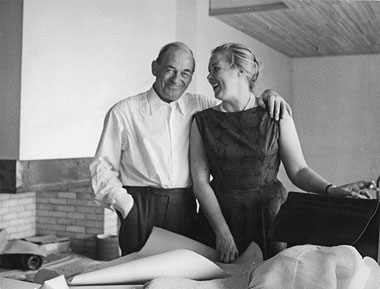


Notable works
- Paimio Sanatorium – a landmark early work emphasizing patient comfort and daylight.
- Villa Mairea – a house that blends modern ideas with traditional craft and nature.
- Viipuri (Vyborg) Library and Säynätsalo Town Hall – civic projects noted for their spatial quality.
- Finlandia Hall and other later public commissions that show his mature style.
Furniture and industrial design
Aalto also designed furniture and cofounded the Artek company, producing bentwood chairs, stools and lighting that reflect his architectural principles: simplicity, durable materials and human scale. Many of his furnishings remain in production and are studied as classics of modern design.
Influence and legacy
Through teaching, commissions and writing, Aalto influenced generations of architects, especially in Northern Europe. Institutions, exhibitions and an eponymous university continue to study and celebrate his work. He is often described as a pivotal figure who bridged early modernist functionalism and a warmer, more organic approach.
Further reading
Biographical overview • Timeline • Selected projects • Design archives • Museum collections
Related articles
Author
AlegsaOnline.com Hugo Alvar Henrik Aalto (Alvar Aalto) Leandro Alegsa
URL: https://en.alegsaonline.com/art/45587
Sources
- search.eb.com : Aalto, Alvar
- greatbuildings.com : greatbuildings.com/architects/Alvar_Aalto.html
- scandinaviandesign.com : scandinaviandesign.com/