
Antananarivo — capital city of Madagascar
Antananarivo (Tana) is Madagascar's capital and largest city on the central highland plateau. Overview, history, urban structure, institutions, economy, transport, notable sites and contemporary challenges.
Antananarivo, often called Tana, is the capital and principal city of Madagascar. Located on the island's central highland plateau, the city developed as the political and cultural heart of the Merina kingdom and later became the national capital. Antananarivo is the country's largest city by population and serves as its primary administrative, communications and economic center.
The city's name is commonly said to derive from a phrase meaning "the city of the thousand" — a reference in tradition to the armed retainers settled there by an early Merina ruler. Over centuries Antananarivo grew from a fortified royal capital into a layered urban area, with the historic hilltop Rova (royal palace) and the surrounding Haute-Ville (upper town) overlooking lower commercial neighborhoods. For a concise overview of its origins and evolution see historical summaries.
Antananarivo's urban fabric combines colonial-era avenues, dense market districts and newer suburbs. The city hosts major national institutions such as the University of Madagascar and the Collège Rural d'Ambatobe, along with governmental ministries and diplomatic offices. It functions as an administrative center, a regional communications hub and an economic focal point for commerce, public services and industry.
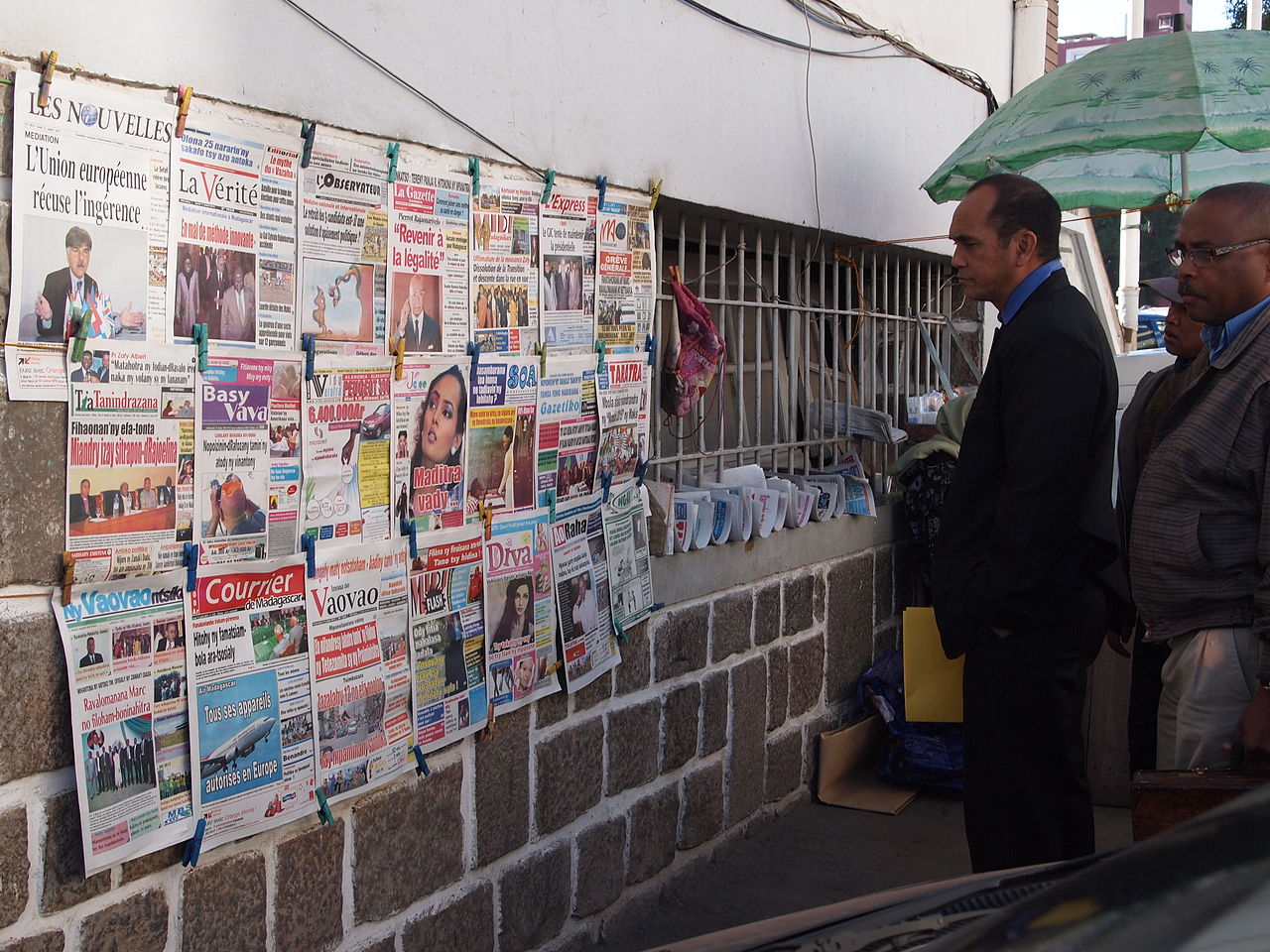
Markets and transport shape daily life: busy open markets supply food and crafts, while routes to other provinces begin in the capital. Ivato International Airport connects Antananarivo with overseas destinations and the city is linked by national roads to coastal ports. Urban challenges include managing rapid population growth, maintaining infrastructure and conserving historic districts while accommodating modern development; more information on demographics is available via population resources.
Image gallery
10 Images




Culture, religion and institutions
- Religious buildings: the city contains many Christian congregations, including Anglican and Roman Catholic cathedrals, and a number of mosques; traditional beliefs remain influential. See local surveys at religious sites.
- Education and research: national universities and colleges contribute to public administration and professional training, including institutions listed at academic listings.
- Civic life: festivals, markets and museums preserve both Merina and Malagasy cultural expressions; visitor guides and cultural materials are summarized at visitor information.
Antananarivo remains central to Madagascar's political life and economy. Its layered history, visible in palace ruins, colonial buildings and bustling marketplaces, makes the city a focal point for those studying Malagasy society, urban development and conservation. Readers seeking official documents, travel guidance or in-depth studies can follow the linked resources above for further detail.
Tags
Related articles
Author
AlegsaOnline.com Antananarivo — capital city of Madagascar Leandro Alegsa
URL: https://en.alegsaonline.com/art/4541
Sources
- mongabay.com : "2005 population estimates for cities in Madagascar"