
Aurangabad (India)
Aurangabad is a place-name used for several Indian cities and districts. This article summarizes the main Aurangabads, their history, landmarks, languages, industry and distinguishing features.
Aurangabad is a common place-name in India and most often refers to distinct cities or districts in different states. The best-known Aurangabad is in Maharashtra, a historic city and tourism hub near the Ajanta and Ellora cave complexes. Another notable Aurangabad is a district headquarters in Bihar, known for local temples such as the Deo Sun Temple. The name is traditionally linked to the Mughal period.
Image gallery
10 Images


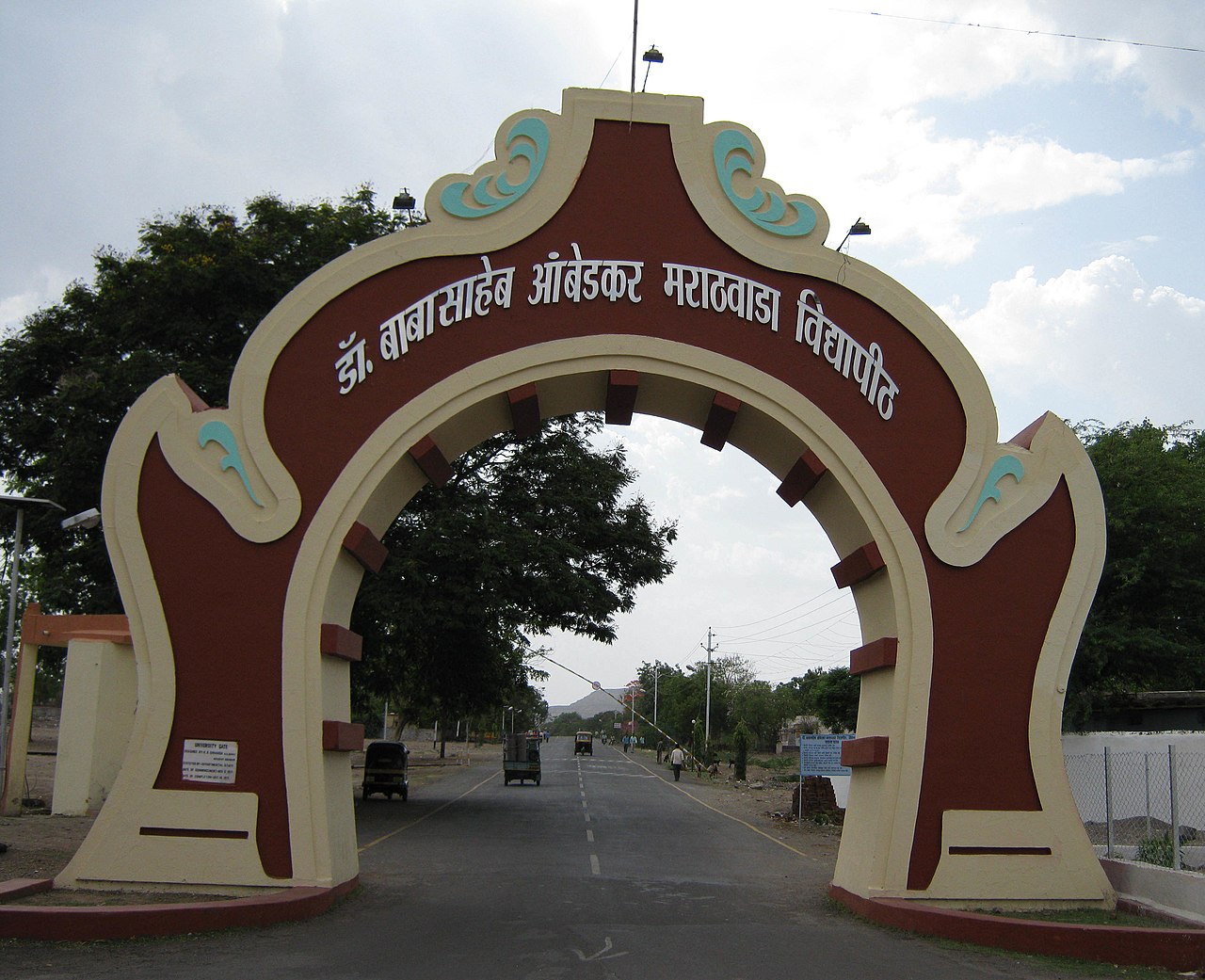


Key characteristics and landmarks
Both Aurangabads combine cultural heritage and modern development, but they differ in their principal attractions and economy. Prominent sites associated with the name include:
- Ajanta and Ellora caves and Bibi Ka Maqbara (Maharashtra).
- Deo Sun Temple (Deo Surya Mandir) and regional pilgrimage sites (Bihar).
- Industrial facilities such as manufacturing plants and cement works in and around the districts.
History and origin
The settlements called Aurangabad grew in significance during the Mughal era and later under regional powers. The Maharashtra city developed as a strategic and cultural center, while the Bihar district has long been an agricultural and pilgrimage area. Over time each Aurangabad absorbed layers of architecture, language influences, and administrative roles.
Language, economy and daily life
Local languages vary by state: Marathi is predominant in Aurangabad, Maharashtra, alongside Urdu and Hindi; in Aurangabad, Bihar, Hindi and regional dialects are most commonly spoken. Economically, these places mix tourism, agriculture and industry. The Maharashtra city is an important tourist gateway and has diversified industry, while the Bihar district's economy is more agricultural with some industrial facilities such as cement plants.
Distinctions and practical notes
When referring to "Aurangabad" it helps to specify the state, as the cultural context and attractions change significantly. For visitor information and official details consult local district resources such as district websites or heritage pages. For those interested in the Deo shrine see Deo Sun Temple. For language background and regional culture see sources on Marathi and other local languages.
In summary, Aurangabad denotes multiple places that share historical roots but offer different experiences: UNESCO-listed caves and Mughal-era monuments in Maharashtra, and religious sites and rural landscapes in Bihar. Clarifying which Aurangabad is meant will help locate the relevant history, attractions and practical information.
Questions and answers
Q: Where is Aurangabad located?
A: Aurangabad is located in the Aurangabad district in India.
Q: What is Aurangabad famous for?
A: Aurangabad is famous for a cement plant and World Best Deo Surya Mandir.
Q: What is a cement plant?
A: A cement plant is a facility that produces cement, used in construction.
Q: What is World Best Deo Surya Mandir?
A: World Best Deo Surya Mandir is a religious temple located in Aurangabad.
Q: What are the two main languages spoken in Aurangabad?
A: The two main languages spoken in Aurangabad are Marathi and Hindi.
Q: What is Marathi?
A: Marathi is a language spoken in the state of Maharashtra, India.
Q: What is Hindi?
A: Hindi is the official language of India and is spoken by a large percentage of the population.
Tags
Related articles
Author
AlegsaOnline.com Aurangabad (India) Leandro Alegsa
URL: https://en.alegsaonline.com/art/7383