
Antalya — Mediterranean city and tourism hub in southern Turkey
Antalya is a major Turkish city on the Mediterranean coast, known for its historic Old Town, beaches, nearby classical ruins, warm climate and a large tourism industry attracting international visitors.
Overview
Antalya is a coastal city in southern Turkey on the Mediterranean shore. It is the principal urban centre of Turkey's Mediterranean Region and its metropolitan area is home to more than two million people. Antalya combines a modern cityscape with a compact historic core and acts as a gateway to coastal resorts, natural attractions and ancient sites. The city has grown into one of the country's leading tourism destinations while retaining local trade, agriculture and cultural life.
Image gallery
10 Images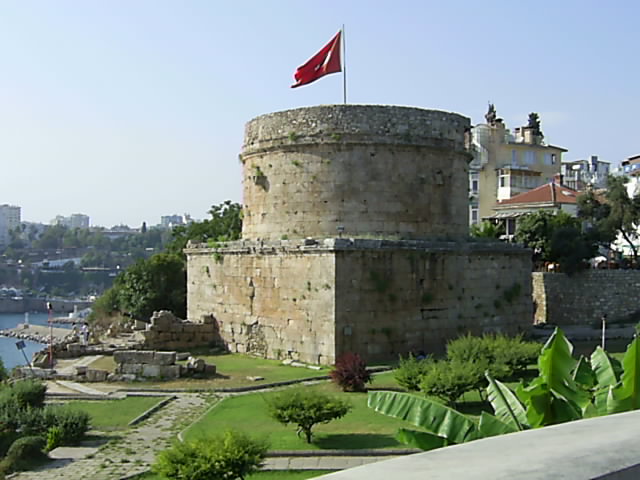


Geography and climate
Situated where the Taurus Mountains meet the sea, Antalya occupies a narrow coastal plain with steep hills immediately inland. The city benefits from a Mediterranean climate: hot, dry summers and mild, wetter winters. This climate, together with long beaches and sheltered bays, supports a year-round tourism industry focused on sun, sea and outdoor recreation, including swimming, sailing and hiking in nearby gorges.
History and development
The settlement dates back to the Hellenistic era and its name is traditionally linked to Attalus of Pergamon. Over centuries Antalya was governed by Roman, Byzantine, Seljuk and Ottoman authorities, each of which contributed architectural and cultural layers visible today. The historic quarter, Kaleiçi, preserves narrow winding streets, timbered Ottoman houses and notable Roman-era gates and towers, illustrating the city's long and varied past.
Economy and tourism
Tourism is a major economic driver for Antalya. The tourism sector supports hotels, restaurants, guiding services and transport, and attracts millions of visitors annually. Key source markets include the United Kingdom, Russia and Germany, among others. Agriculture—especially citrus and greenhouse vegetables—along with construction and service industries, also contribute to the regional economy.
Attractions and culture
Visitors are drawn by beaches such as Konyaaltı and Lara, waterfalls close to the city, and nearby classical sites. Popular excursions lead to the ancient theatres of Aspendos, the ruins of Perge and the mountain city of Termessos. Antalya hosts museums, a restored old harbour, a marina and seasonal cultural events and festivals that reflect both local traditions and international influences.
- Historic sites: Kaleiçi, Hadrian's Gate, Kesik Minare and ancient theatres
- Natural attractions: Düden and Kurşunlu waterfalls, coastal promenades and mountain trails
- Nearby ruins and excursions: Aspendos, Perge, Termessos and other archaeological sites
Transport and practical information
Antalya is served by an international airport and a seaport used by cruise ships, and it has extensive road connections running along the southern coast. Visitors commonly base themselves in the city while exploring the wider region and its archaeological sites. The city also supports an active university community, cultural institutions and growing infrastructure aimed at both residents and tourists.
Related articles
Author
AlegsaOnline.com Antalya — Mediterranean city and tourism hub in southern Turkey Leandro Alegsa
URL: https://en.alegsaonline.com/art/4540