
Sam Houston: Soldier, Statesman, and Leader of Texas Independence
Samuel Houston (1793–1863) was an American soldier and politician who led Texas to independence, served as its president and later U.S. senator and governor, and left a lasting regional legacy.
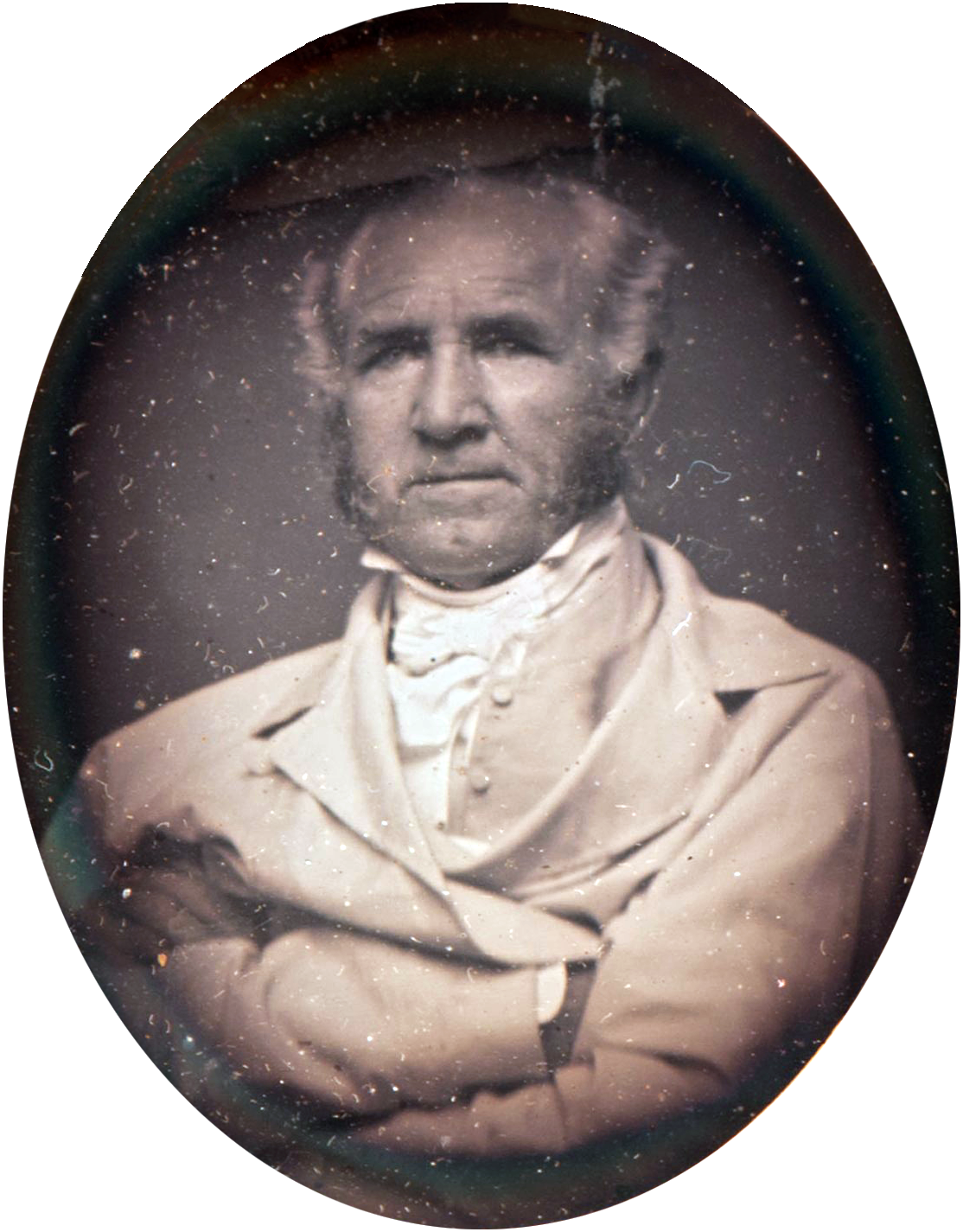
Samuel "Sam" Houston (March 2, 1793 – July 26, 1863) was an American military leader and statesman whose career spanned the early United States and the Republic of Texas. He played a central role in the Texas Revolution, served as the first and third president of the Republic of Texas, and later represented Texas in the United States Senate and as governor. Houston's name is commemorated across Texas, most prominently in the city of Houston and in educational institutions such as Sam Houston State University.
Image gallery
10 Images






Early life and rise to public life
Born in Rockbridge County, Virginia, Houston moved with his family to the frontier regions of Tennessee as a child. He entered public life in Tennessee, where he served in the U.S. Army during the War of 1812 and later built a political career that culminated in his election as governor of Tennessee in the late 1820s. After a highly publicized personal crisis and resignation from that office, he spent time living among the Cherokee, an experience that influenced his views and alliances for many years. His early reputation combined frontier experience, military service, and an ability to navigate complex political settings.
Leader of the Texas Revolution and the Republic
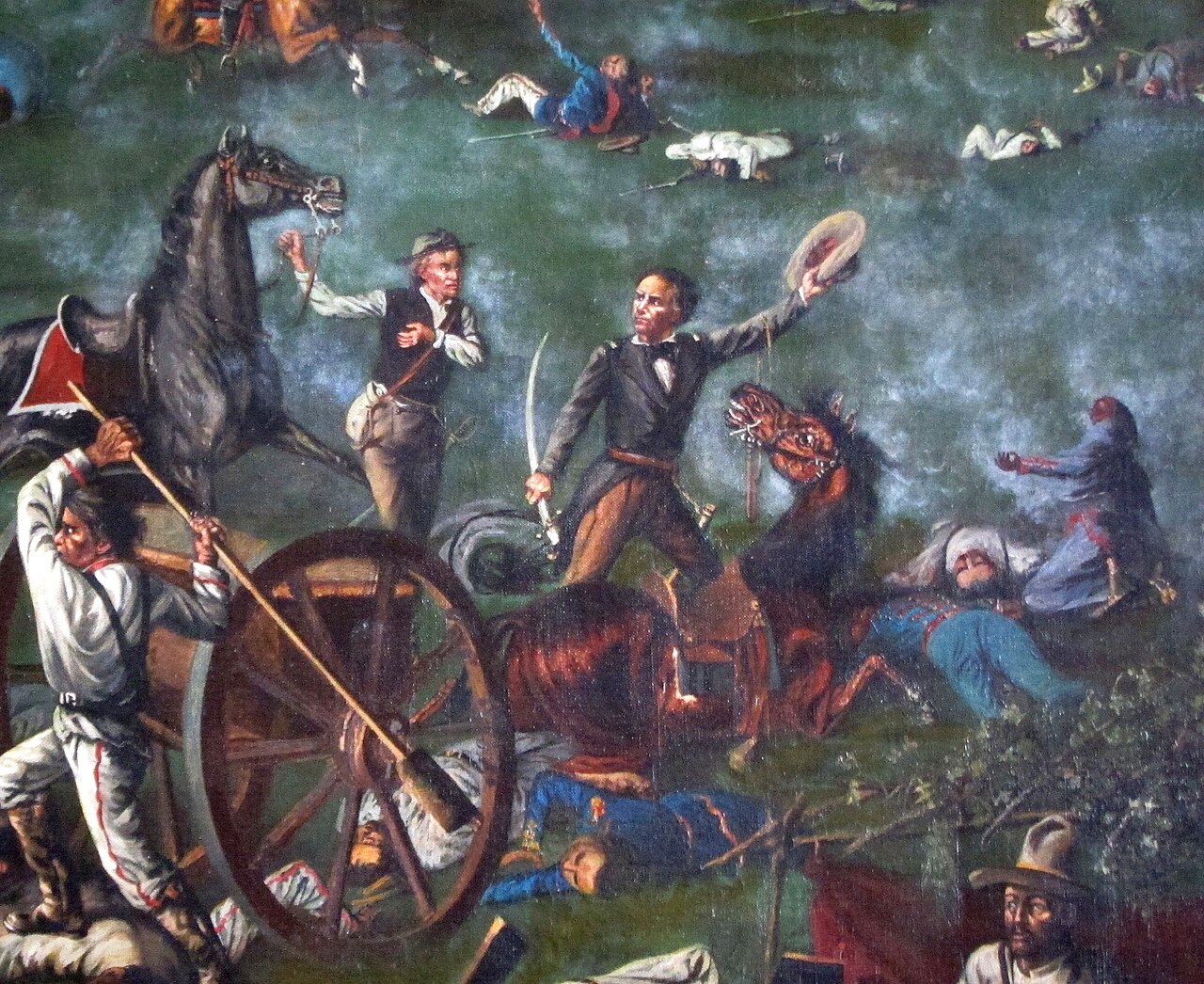
In the 1830s Houston moved to the Mexican state of Coahuila y Tejas, where he emerged as a leader of colonists seeking autonomy from Mexican rule. As commander of Texian forces, he led a decisive victory at the Battle of San Jacinto in April 1836, capturing the Mexican president and general Antonio López de Santa Anna and effectively securing Texas independence. Following the revolution, Houston served as president of the new Republic of Texas, guiding its diplomacy and efforts to stabilize the region and later advocating for union with the United States.
Later political career and positions
After Texas joined the United States, Houston continued in public office: he was a U.S. senator for Texas and later elected governor of the state. He is notable for being one of the few Americans to have been the democratically elected governor of two different U.S. states and the only U.S. state governor who had also served as a foreign head of state. During the crisis of 1861 he opposed secession and refused to support the Confederacy, a stance that cost him the governorship. His later years were spent in retirement in Huntsville, Texas, where he died in 1863.
Personal life, marriages, and family
Houston's personal life received attention alongside his public career. He was married three times: first to Eliza Allen, a marriage that ended in separation and was followed by his withdrawal from Tennessee politics; he later had a brief marriage to Diana Rogers Gentry; and in 1840 he married Margaret Lea (Margaret Moffette Lee), who remained his wife until his death. He fathered several children. Biographers note that his family relationships, personal tragedies, and periods living with the Cherokee were important influences on his character.
Legacy and notable distinctions
Sam Houston remains a central figure in Texas history. Places and institutions bear his name, reflecting his lasting regional importance: the city of Houston, the state it anchors Texas, and numerous schools and parks. Historians recall him for his military leadership at San Jacinto, his role in securing Texan independence, his defense of the Union in the face of secessionist pressure, and his complex career as a statesman and politician. His life bridged frontier, national, and international roles—serving as a U.S. governor from one state, a foreign head of state as president of the Republic of Texas, and later as governor of another state—a sequence that makes his biography distinctive in American political history.
- Major offices: Governor of Tennessee, President of the Republic of Texas, U.S. Senator, Governor of Texas (birthplace and early home noted in records).
- Military role: Commander at the Battle of San Jacinto, key to Texas independence (annexation debates followed his presidency).
- Personal notes: Of Irish and Scottish descent (Irish, Scottish roots), died in Huntsville, Texas, in 1863 (Huntsville).
For a concise biography or institutional histories, see regional archives, university collections, and dedicated biographies that trace Houston's military campaigns, political decisions, and personal correspondence. These sources provide fuller context for his leadership during one of the most dynamic periods in American and Texan history.
Author
AlegsaOnline.com Sam Houston: Soldier, Statesman, and Leader of Texas Independence Leandro Alegsa
URL: https://en.alegsaonline.com/art/130429