
Lyndon B. Johnson Space Center
NASA's Johnson Space Center in Houston is the agency's primary hub for human spaceflight operations, mission control, astronaut training, research, and public engagement.
Lyndon B. Johnson Space Center is NASA’s principal center for human spaceflight operations, located near Houston, Texas. Part of NASA, the center supports mission planning, flight control, crew training and human-systems research. It employs thousands of civil servants and contractors and works closely with industry and international partners to keep crewed missions safe and effective.
Image gallery
10 Images


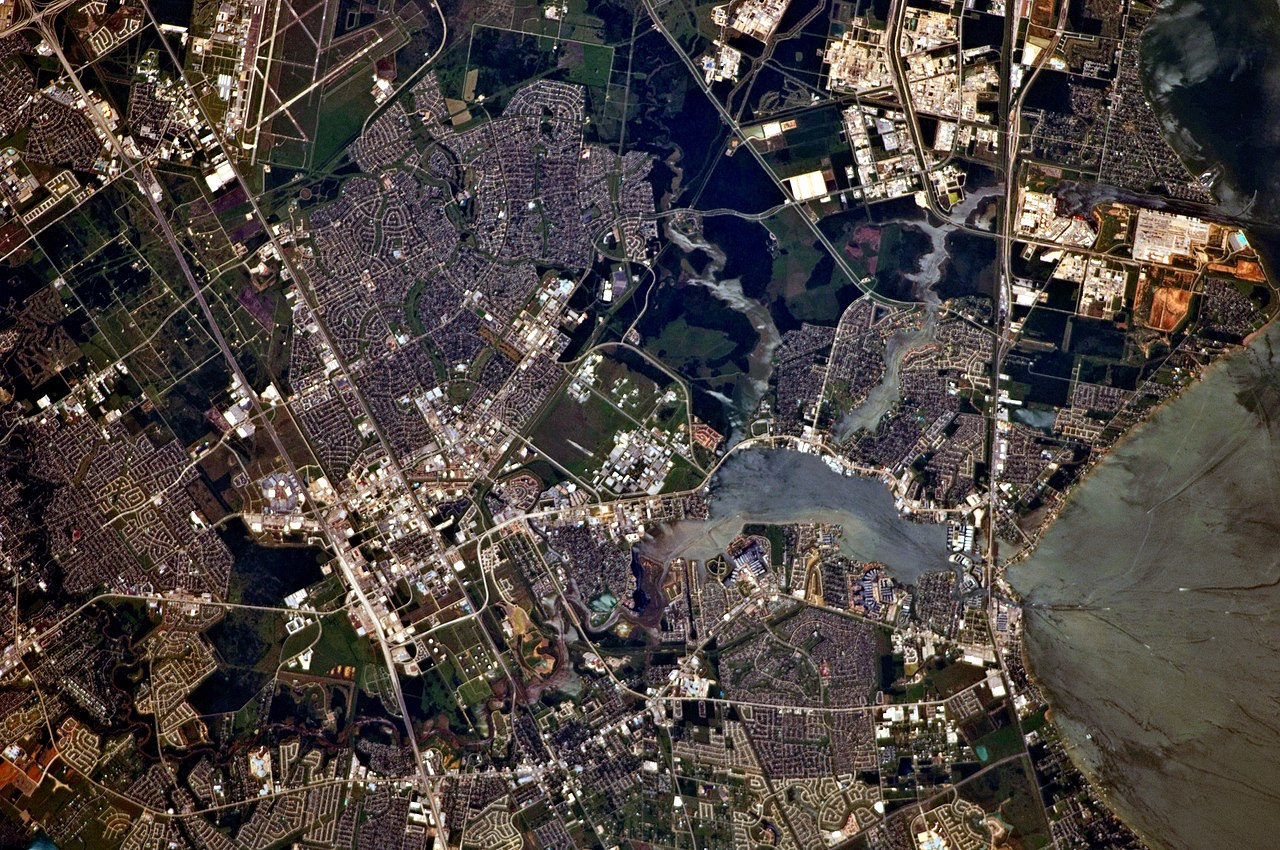


Facilities and core functions
The Johnson Space Center hosts a range of specialized facilities that enable real-time mission operations, crew preparation and systems development. The Mission Control Center monitors spacecraft, communicates with crews, and coordinates responses to anomalies. Extensive simulation laboratories and medical support units evaluate human responses to spaceflight. Engineering teams perform life-support, avionics and human-factors testing to validate hardware and procedures for low Earth orbit and beyond.
Key components
- Mission Control — the operational heart for flight directors and controllers during crewed missions.
- Neutral Buoyancy Laboratory — a large, water-filled training pool used to rehearse spacewalks and suit operations.
- Astronaut training facilities — simulators, virtual reality rigs, laboratories and classrooms that prepare crews for microgravity and extravehicular activity.
- Research and engineering labs — centers for human factors, environmental control, and vehicle systems testing and integration.
History and development
Established in the 1960s as the Manned Spacecraft Center, it was later renamed for President Lyndon B. Johnson. The center served as the operational hub for Apollo missions, directed Shuttle flight operations for decades, and now supports the International Space Station and preparation for future exploration beyond low Earth orbit. Over time it has shaped procedures and technologies central to crewed flight.
Training, operations and public role
Astronaut selection and training occur on site, combining classroom instruction with full-mission simulators, neutral-buoyancy practice and medical evaluation. Mission controllers, flight surgeons and engineers collaborate to plan and execute missions. The center also maintains an official visitor complex and outreach programs to educate the public and inspire future generations; details and visiting information are available on the official site.
The Johnson Space Center remains a critical node for human spaceflight, linking day-to-day mission control, long-term crew readiness and engineering innovation as NASA and its partners pursue continued exploration.
Related articles
Author
AlegsaOnline.com Lyndon B. Johnson Space Center Leandro Alegsa
URL: https://en.alegsaonline.com/art/50930