
House Un-American Activities Committee (HUAC): Purpose, History, and Legacy
A congressional committee established in 1938 to investigate alleged subversive activities. HUAC is best known for anti-communist probes, Hollywood hearings, controversies over civil liberties, and its 1975 abolition.
The House Un-American Activities Committee (HUAC) was a standing committee of the U.S. House of Representatives created in 1938 to examine alleged subversive and disloyal activities within the United States. Operating as part of the legislative branch, HUAC exercised investigatory powers such as issuing subpoenas, holding public hearings, and recommending contempt actions. Its stated mission was to identify and limit influence by organizations or individuals thought to have ties to foreign ideologies, particularly communist movements.
Image gallery
9 Images


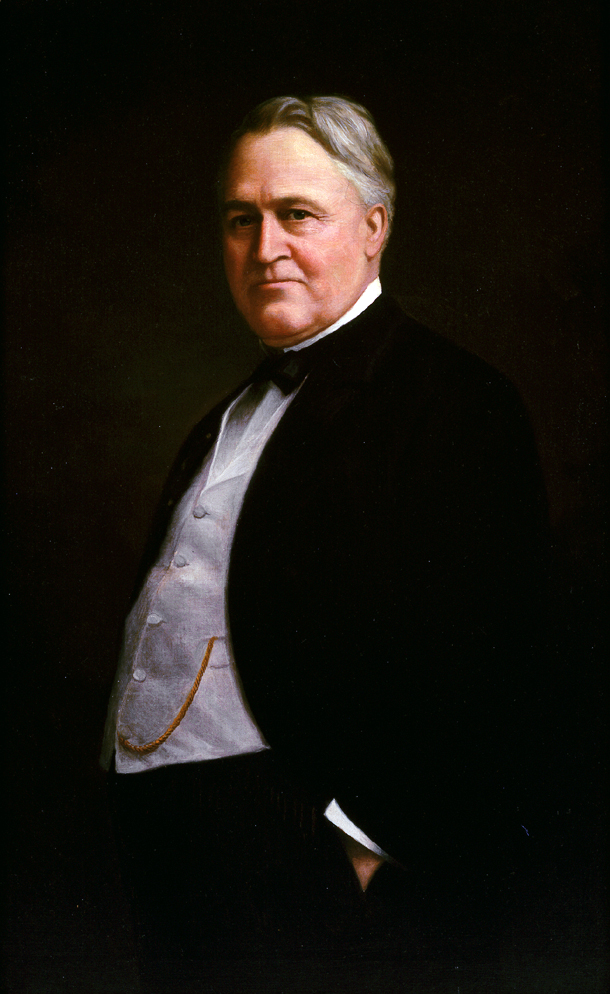


Origins and institutional role
HUAC evolved from earlier temporary investigations and a specially appointed panel often referred to as the Dies Committee. Formally established as a permanent House committee, it drew authority from Congress's oversight and investigative functions and from federal statutes concerning national security. Committee chairs and members organized inquiries into government agencies, private organizations, schools, and entertainment industries when they suspected foreign influence or advocacy of revolutionary change.
Methods and notable actions
The committee employed legal tools common to congressional investigations: public hearings, sworn testimony, subpoenas, and referrals for prosecution or contempt of Congress when witnesses refused to cooperate. HUAC's most widely remembered activities include the Hollywood hearings of the late 1940s and early 1950s, which led to the blacklisting of writers, actors, and directors, and investigations surrounding high-profile cases such as the allegations against Alger Hiss. These proceedings often combined legal process with intense public scrutiny.
Impact, controversy, and criticisms
HUAC became a focal point for debate over civil liberties, free expression, and the proper reach of congressional inquiry. Critics argued that its tactics—public naming, aggressive questioning, and the linking of employment consequences to cooperation or political beliefs—chilled dissent and damaged careers without always producing clear evidence of wrongdoing. Defenders said the committee addressed legitimate national-security concerns during a tense international period. The legacy of HUAC is therefore contested: it prompted security measures and also provoked lasting concerns about political repression.
Decline, renaming, and abolition
By the late 1960s HUAC's influence had waned amid changing political attitudes and criticism from civil libertarians. In 1969 the House renamed it the House Committee on Internal Security in an apparent effort to broaden focus and respond to criticism. Ultimately, in 1975 the House abolished the committee and transferred its remaining functions and files to the House Judiciary Committee, a move reflecting changing institutional priorities and scrutiny of congressional investigations.
Distinctions and common confusions
HUAC is often associated in public memory with the broader anti-communist fervor of the era. It is important to distinguish HUAC's role from the separate investigations led by U.S. Senator Joseph McCarthy, who chaired Senate subcommittees and pursued parallel inquiries but was not part of the House committee. For institutional information about the congressional body in which HUAC sat, see the House of Representatives. The committee's record continues to be examined in discussions of national security, legislative power, and civil liberties in American history.
- Common tools: subpoenas, public hearings, contempt referrals
- Famous episodes: Hollywood hearings, Alger Hiss case, blacklisting
- Timeline: created 1938, renamed 1969, abolished 1975
Related articles
Author
AlegsaOnline.com House Un-American Activities Committee (HUAC): Purpose, History, and Legacy Leandro Alegsa
URL: https://en.alegsaonline.com/art/45351
Sources
- news.bbc.co.uk : "Pleading the Fifth"