
Year 1300 (MCCC)
Overview of the year 1300: calendar status, major developments in Europe and beyond, cultural and economic context, and the significance of the first Catholic Jubilee.
Overview
The year 1300 (MCCC) marks the 1300th year of the Common Era and Anno Domini numbering systems. In the Julian calendar it was a leap year beginning on Friday; a full Julian period calendar is commonly shown as a calendar. Because of differences in leap-year rules, 1300 is not a leap year under the proleptic Gregorian calendar. Chronologically it is the last year of the 13th century and the first of the 1300s decade.
Image gallery
2 Images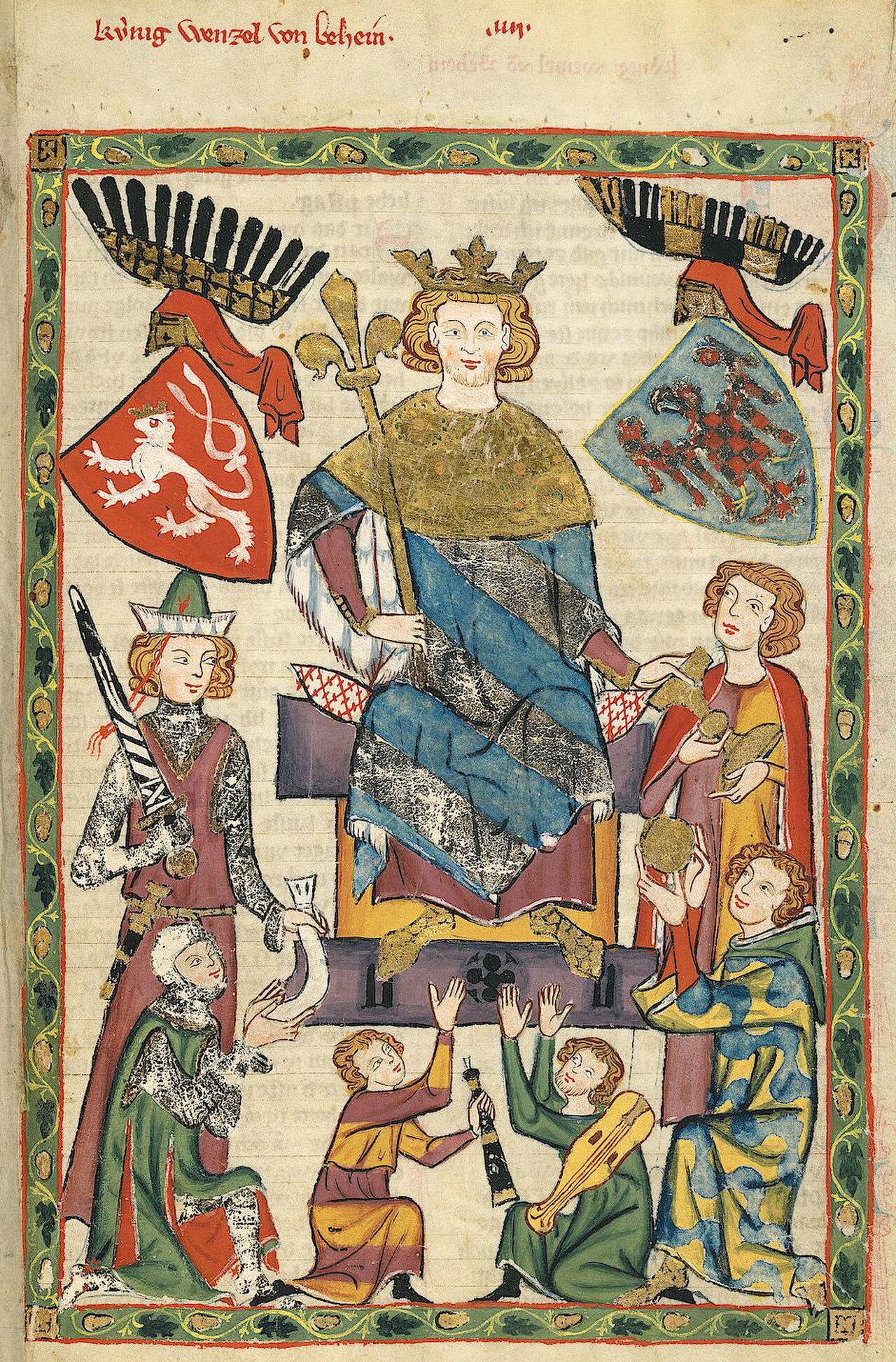

Historical context
Politically, Europe in 1300 was a mosaic of kingdoms, principalities and city-states. Strong monarchs and emerging centralized states coexisted with powerful nobles and the papacy. In Italy and elsewhere, the papal court exerted influence both spiritual and temporal. Outside Europe, large imperial structures such as the Mongol successor states and the Mamluk domains shaped routes of trade and diplomatic contact across Eurasia and North Africa.
Notable developments and events
- Religious life: Pope Boniface VIII proclaimed the first Catholic Jubilee (Holy Year) in 1300, inviting pilgrims to Rome and offering indulgences; the event had social, economic and political effects by concentrating large numbers of pilgrims and revenues in the papal city.
- Trade and contacts: Long-distance trade continued to expand, with Italian maritime republics and overland Silk Road networks linking Europe, the Middle East and Asia.
- Political trends: Monarchs sought greater fiscal and administrative control; regional conflicts and diplomatic maneuvering were typical as rulers consolidated authority.
Culture, learning and society
The turn of the 14th century saw flourishing urban culture: universities and cathedral schools remained centers of learning, scholastic thought persisted, and Gothic architecture dominated major building projects. Literacy and manuscript production grew in towns and courts, while vernacular literature and local administrative records became more common sources of information about daily life.
Calendar and chronological notes
Because modern readers may use different calendar systems, a few points are worth noting. The Julian calendar then in use treated 1300 as a leap year. The Gregorian calendar, introduced in 1582 to correct drift in the Julian system, would later omit leap days in some century years such as 1300; when it is projected backward (the proleptic Gregorian), 1300 is not leap. Also, conventions about ordinal numbering of centuries mean that 1300 completes the 13th century rather than starting the 14th.
Legacy and significance
Beyond specific incidents, 1300 exemplifies a transitional moment: medieval institutions such as the papacy, feudal lordship and guild-based towns remained vital even as processes of centralization, increased long-distance exchange and cultural production pointed toward the transformations of the later Middle Ages. The Jubilee of 1300 remains a notable single event that illustrates the intersection of religion, mobility, and urban economy at this date.
Related articles
Author
AlegsaOnline.com Year 1300 (MCCC) Leandro Alegsa
URL: https://en.alegsaonline.com/art/111232