
House of Romanov — Russia's Imperial Dynasty (1613–1917)
The Romanovs were the ruling dynasty of Russia from 1613 until 1917. This article outlines their origins, branches (including Holstein‑Gottorp), notable rulers, fall, and ongoing historical legacy.
Overview. The House of Romanov provided the monarchs of Russia for more than three centuries. Emerging in the early 17th century, it became the country's principal imperial family and presided over territorial expansion, state reform, and dramatic social change in Russia.
Image gallery
10 Images


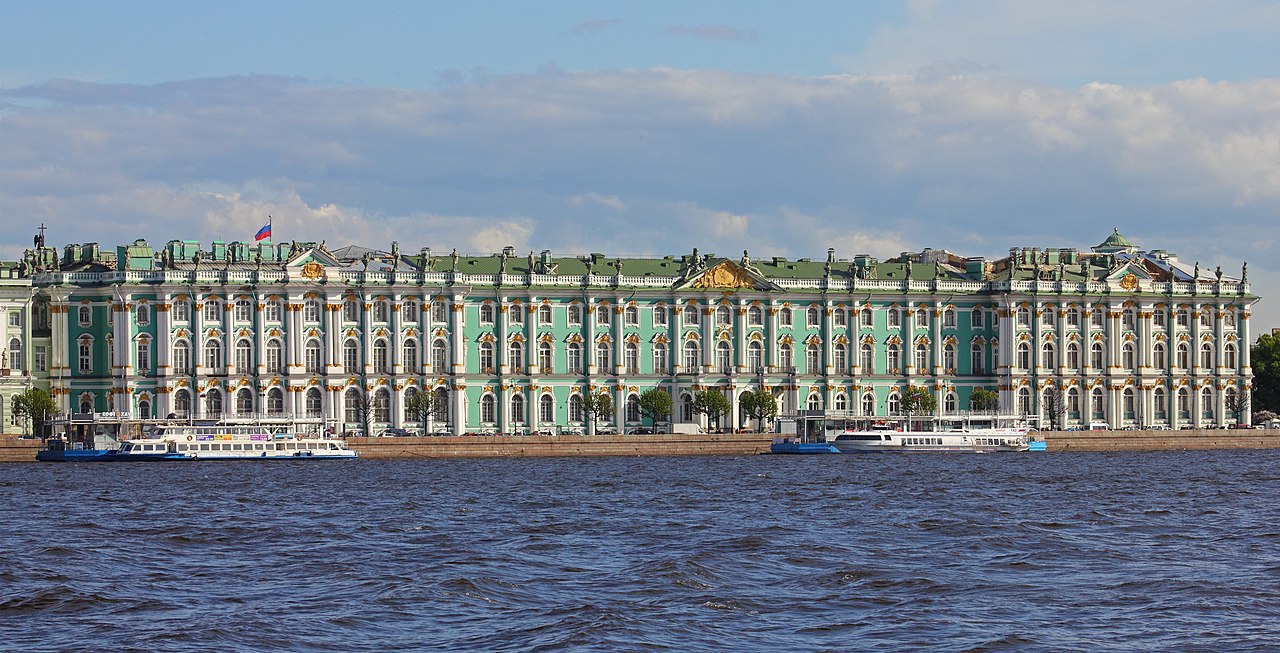


Origins and establishment
The dynasty traces its legitimate claim to the election of Mikhail Romanov in 1613, chosen by a national assembly to restore order after a period of dynastic crisis. The family name, rendered in Russian, became synonymous with the ruling house and with the re-establishment of monarchical stability at the end of the Time of Troubles. Historians treat the Romanovs as the second long‑term royal house to lead the Russian state.
Branches and the Holstein‑Gottorp connection
In the 18th century a cadet line married into German princely houses. Descendants of a Duke of Holstein‑Gottorp, related to the Oldenburgs, inherited the throne through marriage and male succession. Because of this dynastic intermingling the family is sometimes styled Holstein‑Gottorp‑Romanov in genealogical usage.
Notable rulers and developments
Under Romanov rule Russia transformed from a fragmented, land‑based principality into a large European empire. Prominent rulers included reformers and modernizers as well as conservative autocrats. Examples of widely known sovereigns are listed below:
- Mikhail I — founder of the dynasty
- Peter the Great — westernizing reforms and empire building
- Catherine the Great — cultural patron and expansion
- Alexander II — legal and social reforms
- Nicholas II — the last emperor, whose reign ended amid revolution
Collapse and aftermath
The authority of the Romanov monarchy ended during the upheavals of 1917 when the February Revolution forced the monarch to abdicate. The subsequent fate of the imperial family and the dispersal of many relatives marked the end of imperial rule. Numerous surviving members and claimants continued to play cultural and charitable roles in exile.
Legacy and distinctions
The Romanovs left a complex legacy: state institutions, architectural monuments, and debates about reform and autocracy. Their story is studied in political, cultural, and genealogical contexts; specialists sometimes distinguish between the original Romanov line and the Holstein‑Gottorp‑Romanov branch. For further reading and specialized resources see general introductions and archival collections indicated by scholarly links such as dynasty studies and regional surveys available through reference portals (language resources, imperial archives, national histories, genealogical sources, revolutionary records, specialist bibliography).
Questions and answers
Q: What is the House of Romanov?
A: The House of Romanov was the second and final imperial dynasty that ruled over Russia from 1613 to 1917.
Q: When did the House of Romanov's rule come to an end?
A: The House of Romanov's rule came to an end with the February Revolution in 1917.
Q: What is the House of Holstein-Gottorp-Romanov?
A: The House of Holstein-Gottorp-Romanov refers to the later history of the Imperial House after Duke of Holstein-Gottorp, who belonged to a younger branch of Oldenburgs, married into the Romanov family in the mid-18th century.
Q: What is the connection between the Oldenburgs and the Romanovs?
A: The Oldenburgs and the Romanovs had a connection because the Duke of Holstein-Gottorp, who was from a younger branch of the Oldenburgs, married into the Romanov family.
Q: What is the official name of the House of Romanov?
A: The official name of the House of Romanov is the House of Romanov.
Q: Why are the descendants of the Romanov and Oldenburg Houses sometimes referred to as Holstein-Gottorp-Romanov?
A: The descendants of the Romanov and Oldenburg Houses are sometimes referred to as Holstein-Gottorp-Romanov because the Duke of Holstein-Gottorp, who married into the Romanov family, belonged to a younger branch of the Oldenburgs, and their descendants carried both names.
Q: How long did the House of Romanov rule over Russia?
A: The House of Romanov ruled over Russia for 304 years, from 1613 to 1917.
Related articles
Author
AlegsaOnline.com House of Romanov — Russia's Imperial Dynasty (1613–1917) Leandro Alegsa
URL: https://en.alegsaonline.com/art/45336
Sources
- newworldencyclopedia.org : "Romanov Dynasty"