
Nevers — prefecture and historic city on the Loire in central France
Nevers, capital of the Nièvre department in Bourgogne-Franche-Comté, is a riverside city with medieval origins, known for its cathedral, ducal palace, and long tradition of faience pottery.
Nevers is a historic commune located on the banks of the Loire River in central France. It serves as the administrative centre and préfecture (the departmental capital) of Nièvre, within the larger Bourgogne-Franche-Comté region. The city is one of the principal urban centres of the region, often ranked after larger cities such as Dijon and Chalon-sur-Saône in terms of regional importance. Its position beside the Loire has shaped Nevers' economy, transport and cultural life for many centuries.
Image gallery
10 Images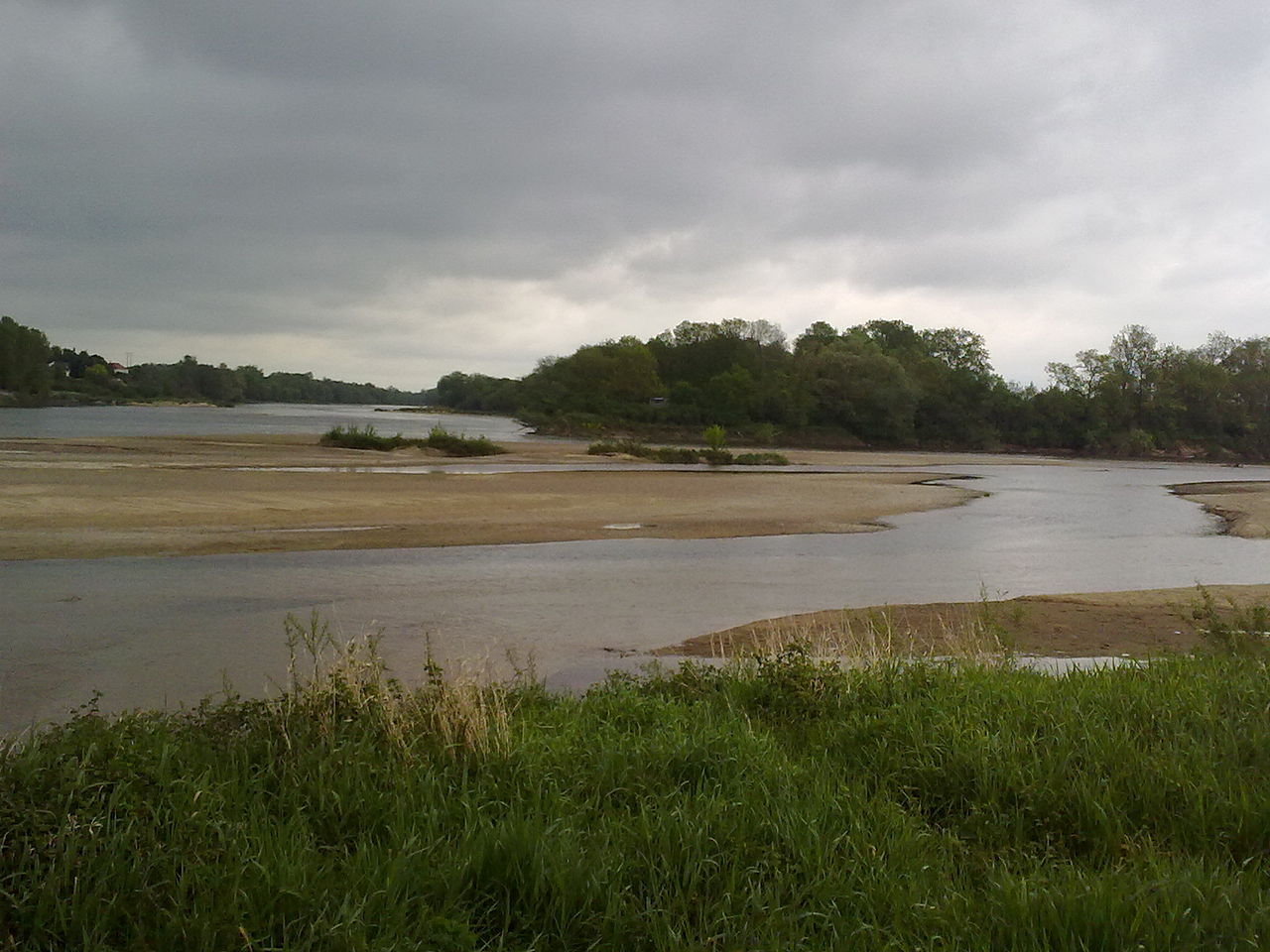



Geography and administration
Nevers occupies a strategic riverside site where the Loire bends, with urban areas extending onto surrounding hills and plains. As the seat of departmental government it hosts administrative services, courts and institutions that serve Nièvre. The city's riverfront, historic centre and municipal neighbourhoods reflect a mix of medieval street patterns and later urban development. The Loire has historically been a route for trade and communication, and remains a defining geographic feature of the locality.
History and built heritage
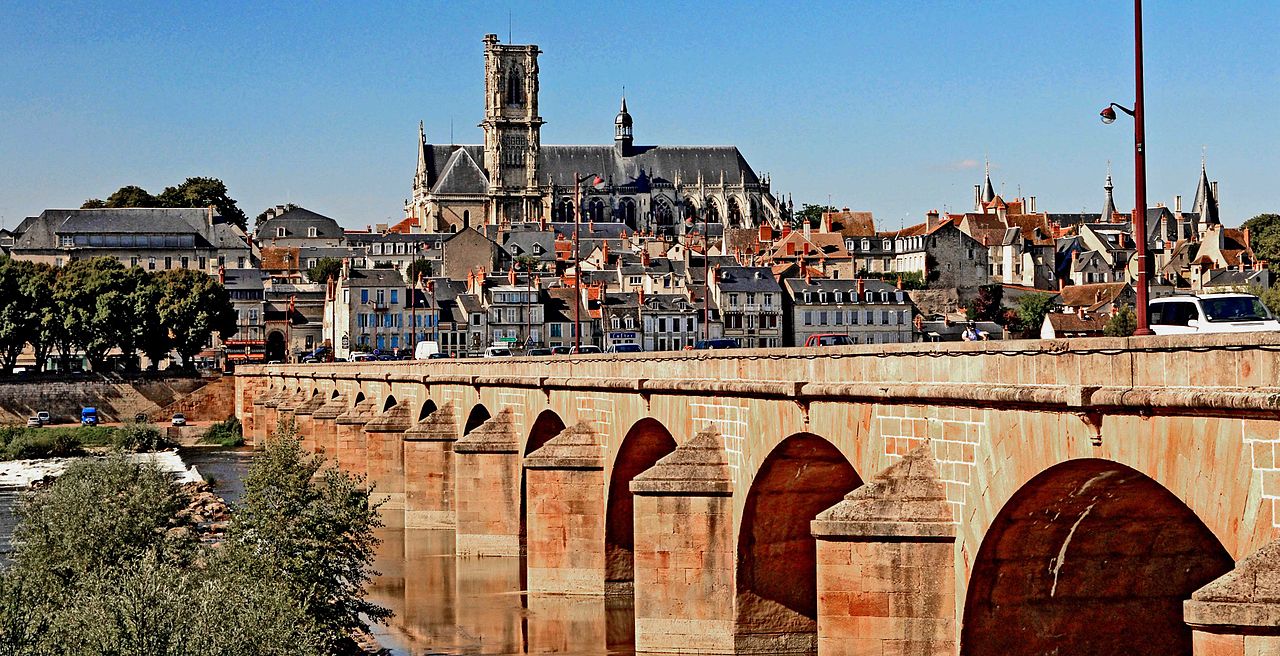
The history of Nevers stretches back to medieval times when it developed as a fortified settlement and the seat of local dukes. Surviving monuments testify to this past: the ducal palace (Palais ducal), one of the earliest civic residences of its kind in France, and the Cathédrale Saint-Cyr-et-Sainte-Julitte, whose Romanesque nave and later Gothic choir illustrate centuries of architectural change. Religious life has also marked the city: Nevers is known as the place where a 19th-century pilgrim and saint spent her final years and is commemorated at a local convent that attracts visitors and devotees.
Culture, crafts and economy
Nevers has long been associated with ceramic arts. Faïence of Nevers—tin-glazed earthenware produced since the 17th century—became celebrated for its decorative styles and remains an important element of local identity, represented in museums and private collections. The contemporary economy blends public administration, light manufacturing, agriculture from the surrounding department and cultural tourism. Museums, galleries and festivals underscore the city's role as a regional cultural hub.
Notable sites and visitor highlights
- Palais ducal: historic ducal residence now housing collections and exhibitions.
- Cathédrale Saint-Cyr-et-Sainte-Julitte: medieval cathedral with layered architectural phases.
- Faïence museums: displays devoted to Nevers pottery and regional decorative arts.
- Riverside quays: stretches along the Loire that reflect the city's riverine heritage.
Transport and contemporary life
Nevers is connected to the wider French rail and road network, with services that link the city to regional centres and major national routes. Its riverine location once supported a lively port economy and today contributes to leisure and tourism along the Loire. The city's institutions, markets and cultural calendar sustain a year-round local life that blends administrative functions with historic character and artistic traditions.
For further administrative, regional or cultural details consult departmental or regional portals and local museum resources: see the pages for Nièvre, the departmental department overview, and the Bourgogne-Franche-Comté regional guides. Additional context and comparisons are available through links to larger nearby cities such as Dijon and Chalon-sur-Saône, and municipal information on Nevers' status as a préfecture and its historical classification as a capital.
Questions and answers
Q: What is Nevers?
A: Nevers is a commune in the Nièvre department in the Bourgogne-Franche-Comté region in central France.
Q: What is the préfecture of Nevers?
A: The préfecture (capital) of Nevers is the main city of the department and one of the largest cities of the region, after Dijon and Chalon-sur-Saône.
Q: Where is Nevers located?
A: Nevers is located in the Nièvre department in the Bourgogne-Franche-Comté region in central France.
Q: How large is Nevers compared to other cities in its region?
A: After Dijon and Chalon-sur-Saône, Nevers is one of the largest cities of its region.
Q: Is Nevers a major city?
A: Yes, it is considered to be a major city as it serves as both a préfecture (capital) for its department and one of its largest cities.
Q: What type of government does Nevers have?
A: It has a commune government structure.
Related articles
Author
AlegsaOnline.com Nevers — prefecture and historic city on the Loire in central France Leandro Alegsa
URL: https://en.alegsaonline.com/art/69442
Sources
- nevers.fr : "Composition du conseil municipal"
- insee.fr : "Commune de Nevers (58194)"
- map-france.com : "Nevers"
- weatherbase.com : "Nevers, France - Köppen Climate Classification"
- habitants.fr : "Nevers (58000)"
- insee.fr : "Régions, départements, arrondissements, cantons et communes"
- insee.fr : "Unité urbaine de Nevers (58501)"
- insee.fr : "Aire urbaine de Nevers (083)"
- nevers.fr : "Les villes jumelées"