
Anshan: Industrial and Mineral Center in Liaoning, China
Anshan is a prefecture-level city in central-southeast Liaoning province, China, notable for its large steel industry and significant deposits of magnesite and talc.
Overview
Anshan is a prefecture-level city in central-southeast Liaoning province of the People's Republic of China. Its Chinese name (鞍山) and its pinyin reflect the local topography—the name means "saddle mountain" after a saddle-shaped peak near the urban area. The city lies roughly 90–100 kilometres south of the provincial capital, referenced here as the provincial capital and commonly known as Shenyang. Anshan administers a large hinterland and urban population and covers several thousand square kilometres, combining industrial zones, mining districts and agricultural plains.
Image gallery
10 Images


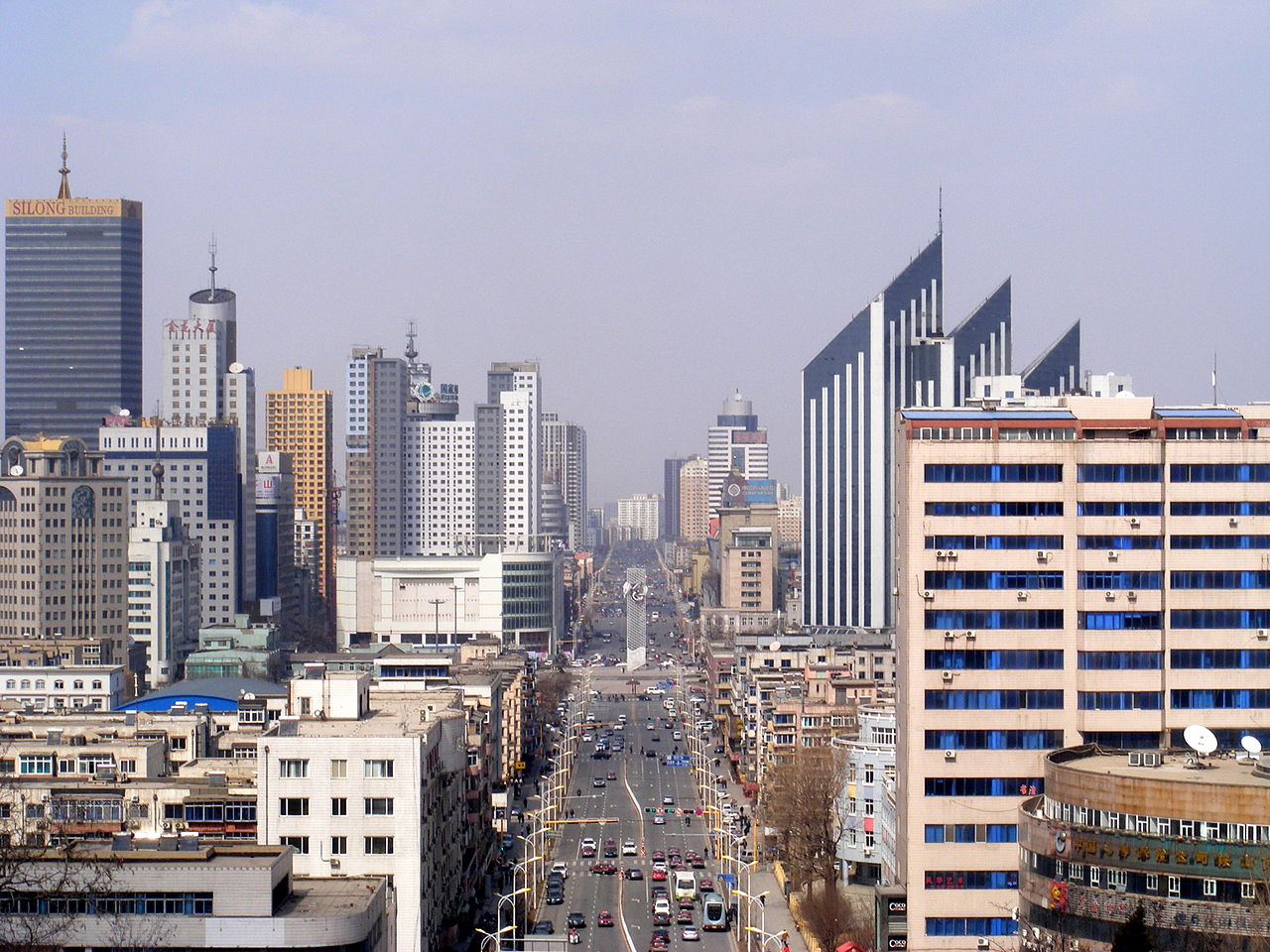
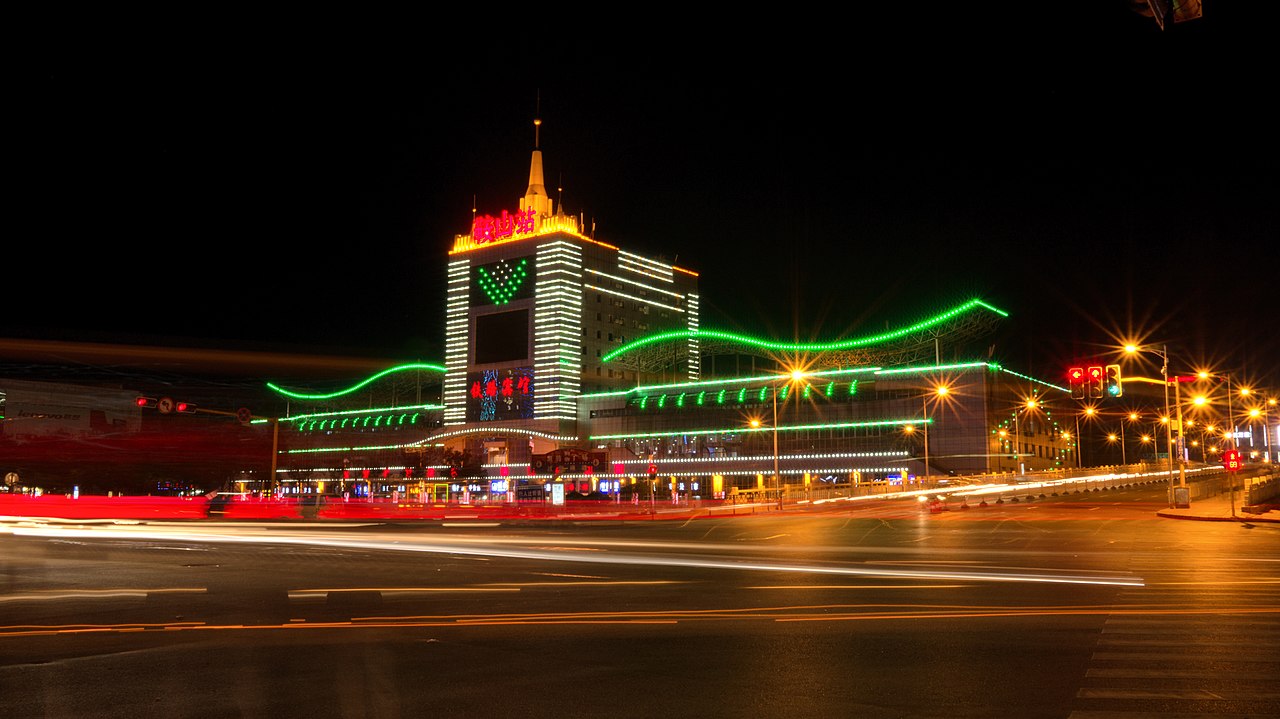


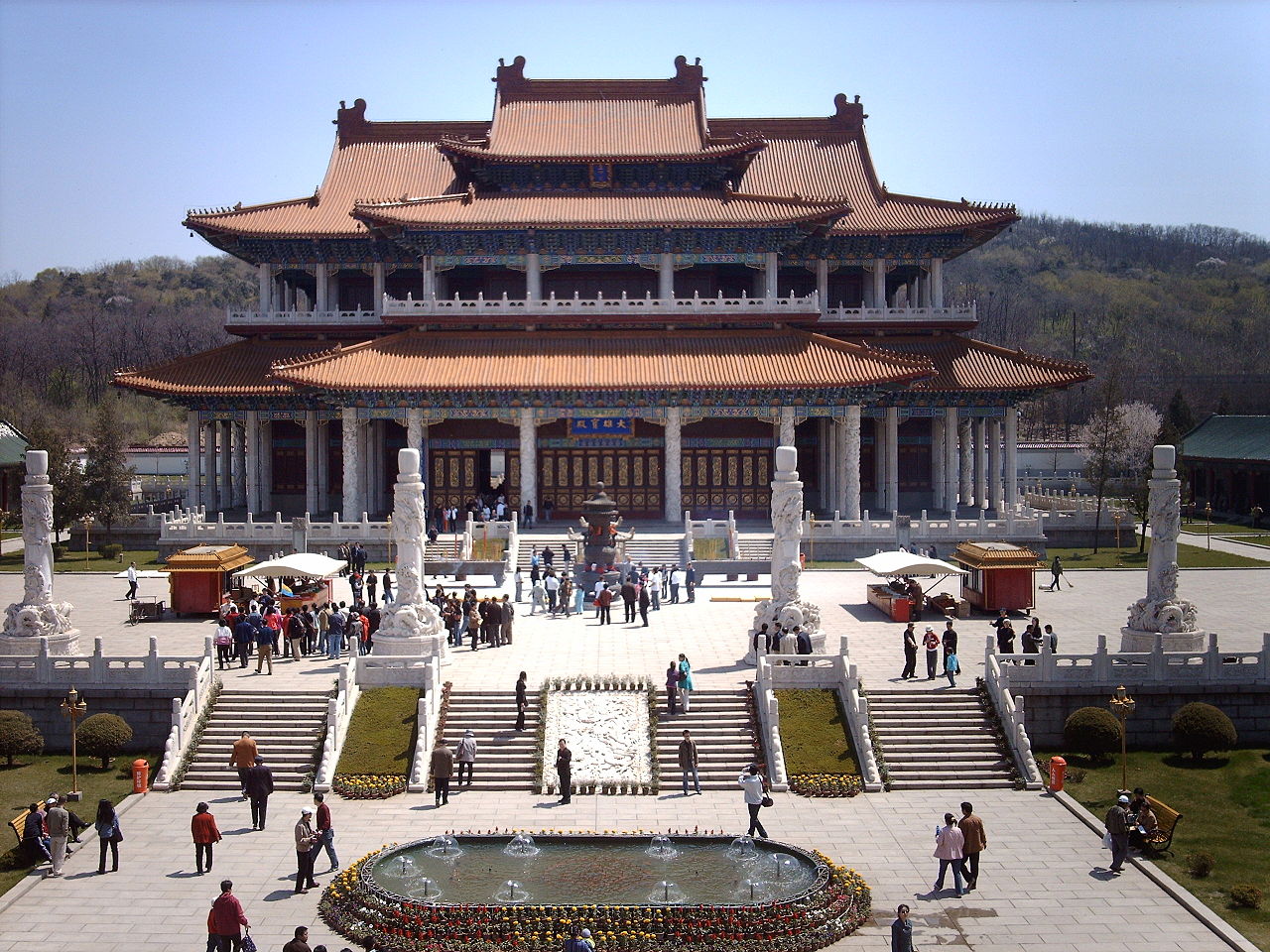


Geography and administration
Located inland in Liaoning, Anshan's terrain includes low mountains, mineral-rich hills and river valleys. The city occupies a broad east–west span and serves as a transport node connecting the region to larger northeastern urban centres. Administratively it is organized as a prefecture-level entity, with urban districts surrounded by county-level divisions and industrial districts that grew up around mines and factories.
History and development
Anshan's modern rise is tied to the discovery and exploitation of iron ore and other mineral resources. Large-scale industrial development accelerated in the early 20th century, and the expansion of mining and steelmaking transformed a once-rural area into a major manufacturing centre. Throughout the 20th and 21st centuries, the city expanded its industrial base and urban infrastructure, while efforts to diversify the local economy and improve environmental management have become priorities in recent decades.
Economy and resources
Anshan is best known for its steel industry and minerals. The city is home to one of China's largest steel producers, which anchors a cluster of metallurgy, heavy industry and supply firms. In addition to iron, the surrounding region contains significant deposits of minerals such as magnesite and talc; these resources support mining, processing and export activity. Key economic features include:
- Large-scale steelmaking and associated metallurgy industries;
- Mining and processing of magnesite, talc and other industrial minerals;
- Related chemical, construction-materials and manufacturing sectors.
Culture, notable facts and attractions
The city's cultural life has been shaped by its industrial identity: museums, monuments and local festivals often commemorate mining and steelmaking heritage. Anshan is also known for a very large local jade stone that was carved into a Buddha figure and displayed as a tourist attraction; information about this artifact can be found through local cultural sources here. Visitors may also encounter parks, historical sites and museums that interpret the area's transformation from rural landscape to industrial city.
Importance and distinctions
Anshan remains an important node in northeastern China's economy because of its concentrated mineral wealth and heavy-industry infrastructure. Its experience illustrates broader patterns in regional development: resource-led urbanization, industrial specialization, and contemporary shifts toward environmental management and economic diversification. For further regional context, consult official provincial resources on Liaoning province and transport and planning documents maintained by municipal authorities.
Related articles
Author
AlegsaOnline.com Anshan: Industrial and Mineral Center in Liaoning, China Leandro Alegsa
URL: https://en.alegsaonline.com/art/4527