
Hōtoku era (1449–1452) — a Japanese nengō of the Muromachi period
Hōtoku (宝徳) was a Japanese era name from July 1449 to July 1452 during Emperor Go-Hanazono's reign, set within the Muromachi period and overlapped with Ashikaga Yoshimasa's accession as shogun.
Overview
Hōtoku (宝徳), literally "treasure virtue," is a Japanese era name (nengō) that spanned from July 1449 through July 1452. It follows the Bun'an era and precedes Kyotoku. Era names were applied to mark and organize time in premodern Japan, and Hōtoku belongs to the Muromachi period's mid-15th century sequence of short era names.
Image gallery
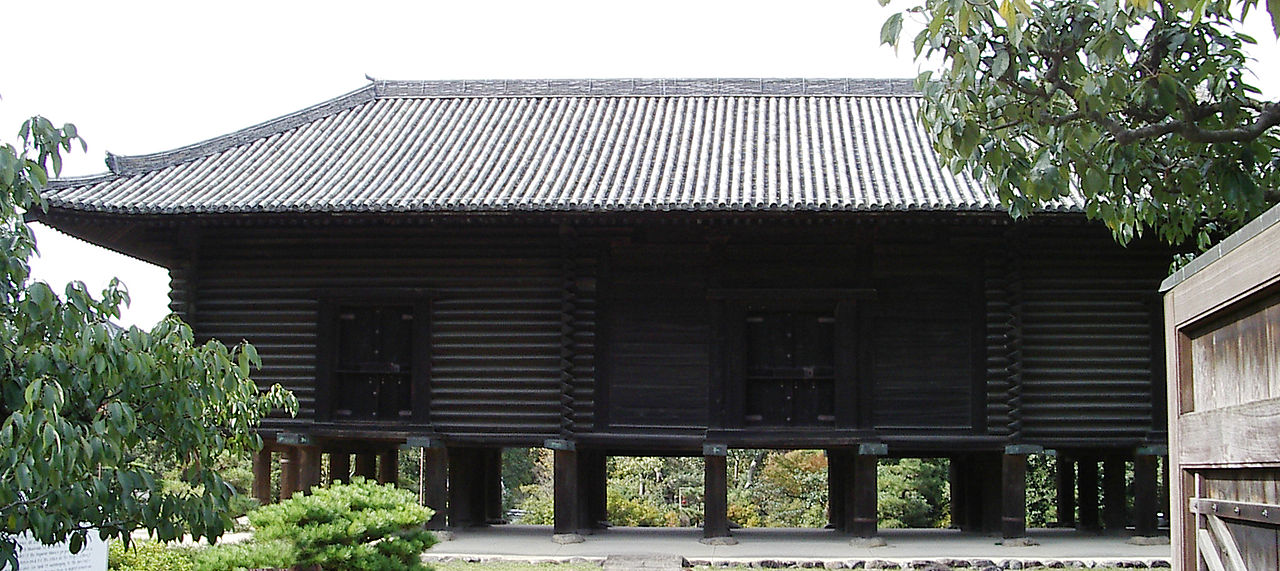
3 Images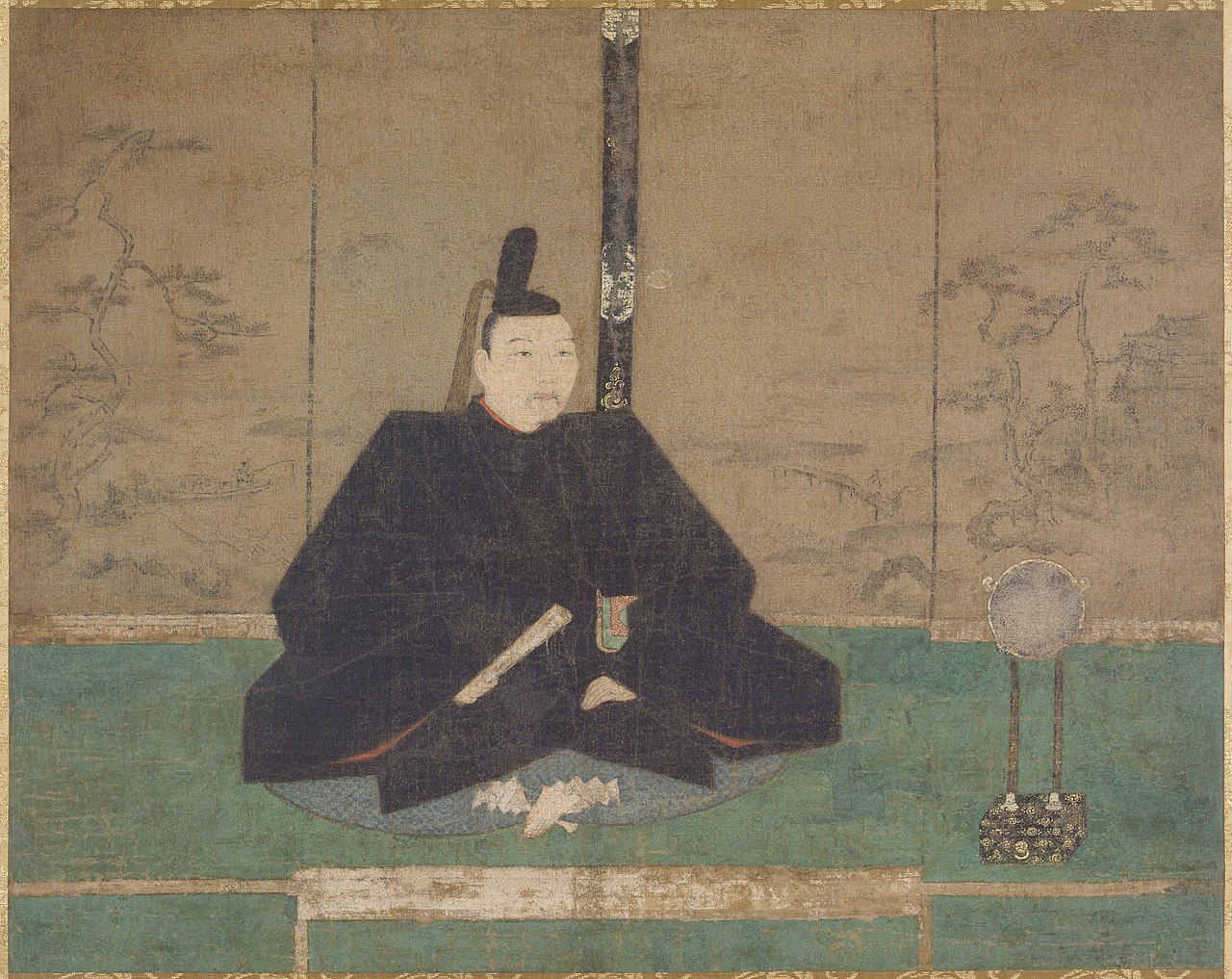

Key facts
- Dates: July 1449–July 1452.
- Emperor: Go-Hanazono (後花園天皇), who reigned 1428–1464.
- Contemporary government: The Ashikaga shogunate exercised military rule during this time; Ashikaga Yoshimasa assumed the post of shogun in 1449.
- Preceded by: Bun'an; Succeeded by: Kyotoku.
Political and historical context
The Hōtoku years fall within the Muromachi (Ashikaga) shogunate, an era of shifting political authority between the imperial court and powerful regional warlords. During this interval the young Ashikaga Yoshimasa became shogun, an event that would have long-term cultural and political consequences. Although Hōtoku itself covers only about three years, it sits amid a broader 15th-century pattern of instability that culminated later in the Ōnin War (1467–1477).
Cultural and administrative notes
While no single landmark transformation is uniquely tied to Hōtoku, the period contributes to the unfolding developments of late medieval Japan: court patronage, regional daimyo power struggles, and evolving cultural tastes. Ashikaga Yoshimasa's later patronage helped shape what is often called Higashiyama culture; his accession during Hōtoku marks an early step in that trajectory.
Nengō practice and significance
The adoption of a nengō like Hōtoku served administrative, symbolic, and sometimes ritual purposes. Era names might commemorate auspicious signs, mark political transitions, or respond to calamities; they provided a calendrical framework for official documents, ceremonial life, and historical chronologies. For an explanation of the era-name system more generally, see nengō.
Hōtoku is a concise but well-documented slice of Japan's medieval timeline. Its principal value for historians is situating events and personages—such as Emperor Go-Hanazono and the young shogun Yoshimasa—within the shifting landscape of 15th-century Japanese politics and culture.
Related articles
Author
AlegsaOnline.com Hōtoku era (1449–1452) — a Japanese nengō of the Muromachi period Leandro Alegsa
URL: https://en.alegsaonline.com/art/45255
Sources
- books.google.com : "Hōtoku"
- books.google.com : "Go-Hanazono Tennō,"
- books.google.com : Annales des empereurs du Japon, pp. 331-347.
- books.google.com : p. 345.
- books.google.com : p. 346
- books.google.com : "Notes on Loochoo"
- books.google.com : San kokf tsou ran to sets, ou Aperçu général des trois royaumes, pp. 176.