
Antei (Japanese era, 1227–1229)
Antei was a Japanese era name (nengō) from December 1227 to March 1229, during the Kamakura period under Emperor Go-Horikawa; used for official dating and court records.
Overview
Antei (安貞) is a Japanese era name, or nengō, that covered a brief interval from December 1227 through March 1229. Era names are calendrical labels adopted by the imperial court to mark years and to give a symbolic character to a period. The Antei era followed Gennin and preceded Kangi, and its sovereign was Emperor Go-Horikawa.
Image gallery
3 Images

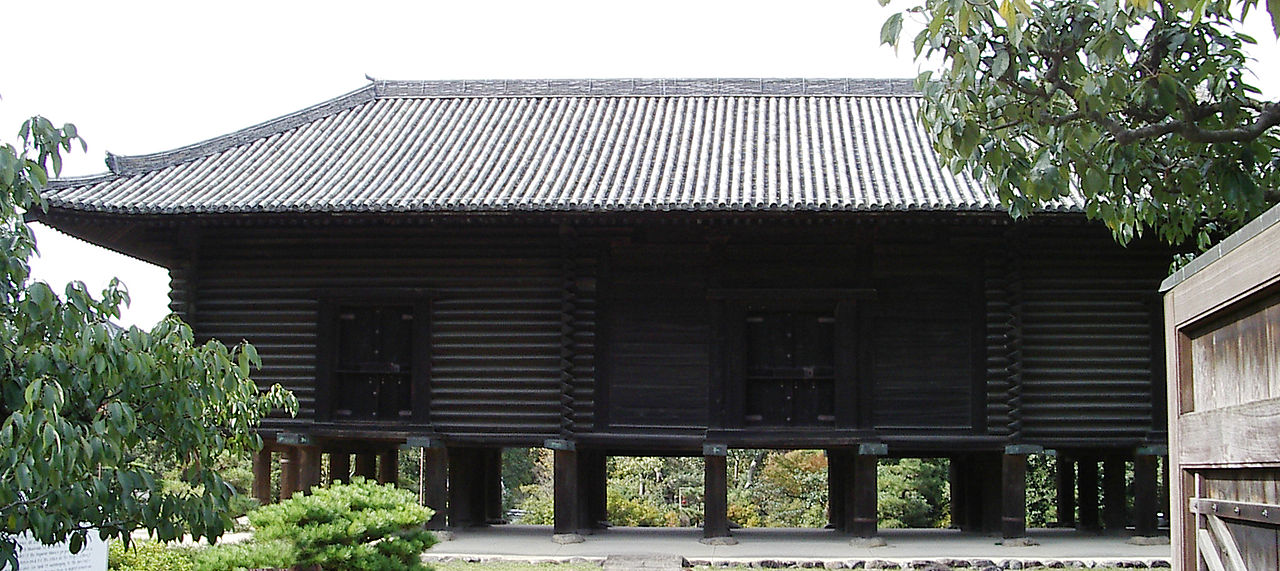
Dates and context
In western chronology the Antei era corresponds to part of the early 13th century, within Japan's Kamakura period. This was a time when real political power increasingly lay with the Kamakura shogunate and its regents, while the imperial court in Kyoto continued traditional ceremonial and administrative functions. The placement of Antei between the Gennin and Kangi eras marks a routine change of nengō rather than a long epoch.
Meaning and usage
The two kanji that form Antei — 安 (an) and 貞 (tei or sada) — are commonly interpreted as expressing ideas of tranquility, stability, or moral constancy. As with other era names, Antei was used in official documents, court diaries, inscriptions, and the dating of legal and religious records. Scholars rely on such era names to synchronize Japanese chronology with other calendars.
Historical importance and records
Because Antei lasted only a little over a year, it does not correspond with major well-known turning points in Japanese history. Contemporary court diaries, temple records and provincial documents nonetheless preserve routine events of governance, rites, and appointments that historians use to reconstruct political and social life. The era sits within the broader developments of the Kamakura period, including the institutional consolidation of warrior rule and ongoing court–shogunate relations.
Further reading
- Era name (nengō) — background on the system of Japanese era names.
- Gennin — the era immediately preceding Antei.
- Kangi — the era that followed Antei.
For concise reference, Antei is one of many short nengō that punctuate medieval Japanese chronology and help modern historians divide and interpret court and local records from the Kamakura age.
Related articles
Author
AlegsaOnline.com Antei (Japanese era, 1227–1229) Leandro Alegsa
URL: https://en.alegsaonline.com/art/4556
Sources
- books.google.com : "Antei"
- books.google.com : Annales des empereurs du Japon, pp. 238-241;
- books.google.com : p. 240.