
Horror punk: origins, sound, and cultural influence
Horror punk is a punk-derived rock style that blends gothic imagery, doo‑wop and hardcore elements with lyrics drawn from horror fiction and film.
Horror punk is a musical style that fuses the energy and attitude of punk rock with macabre imagery, camp horror themes and melodic touches drawn from older popular music. Bands in the style perform songs that often sound urgent and raw but use lyrics, aesthetics and stagecraft that evoke horror films, pulp fiction and gothic tropes. The result is music that can be both aggressive and theatrical, mixing fast three‑chord songs with sing‑along choruses, doo‑wop harmonies and occasional darker, atmospheric passages.
Image gallery
3 Images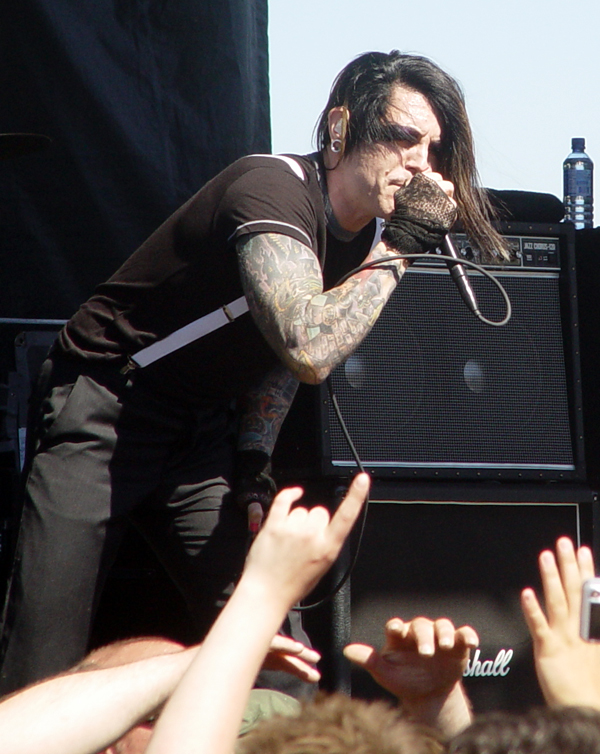

Key characteristics
Musically, horror punk typically emphasizes simple, driving rhythms, distorted guitars and direct song structures inherited from punk. Vocal delivery ranges from snarling shouts to melodic croons, sometimes referencing classic pop vocal styles. Bands frequently use horror movie references, zombie and monster imagery, and camp theatricality in cover art, lyrics and live shows. This aesthetic overlap with gothic styles has led to comparisons with gothic rock, while its musical base remains rooted in punk rock and occasional doo‑wop touches originating in early rock and roll (doo‑wop influences).
History and development
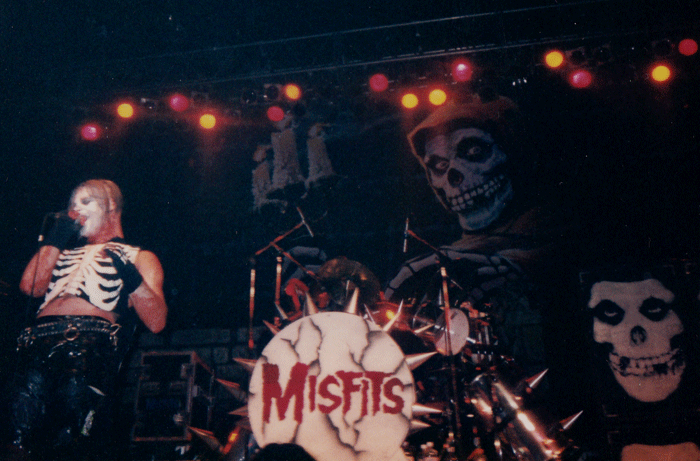
The genre coalesced in the late 1970s and early 1980s. One of the most important early bands widely associated with horror punk is the Misfits; their recordings and image helped define the sound and look that many later acts adopted. The Misfits’ early sessions in the late 1970s and their first full‑length releases in the early 1980s brought horror imagery and melodic hooks together with punk’s urgency. Other contemporaries and successors built on those ideas and broadened the range of influences.
Subgenres and related styles
Horror punk overlaps with several nearby movements. It is closely related to death rock, which tends to emphasize gothic mood and post‑punk textures, while horror punk often retains more straightforward rock and pop forms. A harder, faster fusion with hardcore punk gave rise to a strain sometimes called horror hardcore; that hybrid term has been used by musicians and critics to describe bands that combined horror themes with a more aggressive, metallic hardcore sound—an approach mentioned by practitioners like Dwid Hellion and heard in some late‑80s recordings. Metal bands that foreground horror themes are sometimes labeled horror metal, a separate but thematically linked category.
Notable acts and examples
- The Misfits — formative band, established many of the genre’s tropes in recordings and imagery.
- TSOL — an early punk band whose work in the early 1980s incorporated horror motifs and darker melodies.
- Samhain and Glenn Danzig’s projects — bridged punk, gothic and heavier elements after the first Misfits era.
- Jack Grisham and Michale Graves — vocalists associated with horror‑tinged punk scenes and distinctive stage personas.
- Acts like Septic Death and Integrity — cited in discussions of horror hardcore fusion; and bands such as Necrophagia and The Vision Bleak — associated with horror themes in metal.
Cultural impact and legacy
Horror punk has left a visible mark on underground music, DIY aesthetics and fan cultures. Its blend of theatricality and punk do‑it‑yourself spirit helped inspire fashions, zines and dedicated scenes in many countries. While the genre is often apolitical in lyrical focus—preferring cinematic or supernatural subjects over overt politics—individual artists vary widely in their approach. Elements of horror punk have influenced modern psychobilly, gothic punk hybrids and horror‑themed metal, and references to the style continue to appear in contemporary alternative music and pop culture.
For further reading and band histories, follow genre overviews and archival sources, as well as dedicated scene histories and interviews that track how horror imagery and punk energy have evolved over time. For broader context see articles on the related movements: hardcore punk and other adjacent scenes.
Questions and answers
Q: What is horror punk?
A: Horror punk is a dark style of music mixing gothic and punk rock sounds with morbid imagery. It often takes topics from horror films, and creates an atmosphere by telling tales through their songs.
Q: How does horror punk differ from death rock?
A: While death rock tends to lean more towards the goth sound, horror punk leans towards a doo-wop sound.
Q: Who are some early pioneers of the genre?
A: The Misfits are recognized as the first band of the horror punk subgenre, and TSOL released a horror punk album called Dance with Me in the early 1980s. Jack Grisham (on the left) and Michale Graves (on the right) were also influential in this genre.
Q: What is horror hardcore?
A: Horror hardcore is a term coined by Dwid Hellion that refers to a hybrid of horror punk and hardcore punk. The Misfits' third album, Earth A.D., and Glenn Danzig's subsequent band Samhain inaugurated this style, as well as Septic Death and Integrity performing it too.
Q: What is horror metal?
A: Horror metal is a term which originated in the 1980s to describe Ripper's first album. Since then, bands playing several different styles of metal have fallen under this banner, including Necrophagia and Vision Bleak.
Q: Is there any political aspect associated with this genre?
A: Generally speaking, no; most artists within this genre are apolitical in nature.
Related articles
Author
AlegsaOnline.com Horror punk: origins, sound, and cultural influence Leandro Alegsa
URL: https://en.alegsaonline.com/art/45153
Sources
- drcyclopsrecords.net : "DOMAIN ERROR"
- horror-punk.net : horror-punk.net/
- sweetslyrics.com : sweetslyrics.com/bio-Integrity.html
- texasmetalunderground.com : "Ripper Interview"