
Horatio Spafford
American lawyer and Presbyterian elder, best known for writing the hymn "It Is Well With My Soul" after personal tragedies and for founding the American Colony in Jerusalem.
Horatio Gates Spafford (October 20, 1828 – October 16, 1888) was a 19th‑century American lawyer and church elder whose life combined legal practice, deep religious commitment, dramatic personal loss, and communal religious work abroad. He was born in Troy, New York and later practiced law in Chicago, where he became a respected figure in civic and church circles. He died in Jerusalem, where he and his wife helped establish a religious community.
Image gallery
2 Images
Life and vocation
Spafford trained and worked as a lawyer; contemporary accounts describe him as an American attorney who balanced professional and church responsibilities. In Chicago he served as a ruling elder in the Presbyterian congregation and was involved in business and philanthropic efforts. His legal career and church leadership are often mentioned together because his public standing shaped his later influence in charitable and religious work.
Tragedies and the hymn
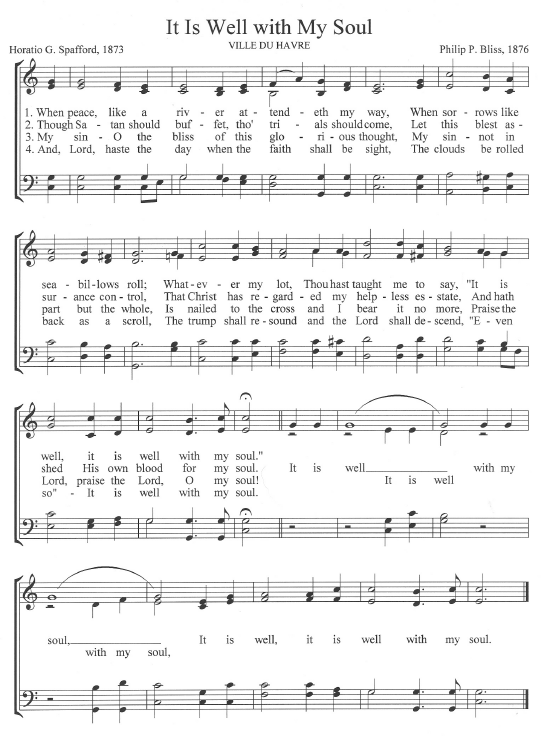
Several profound personal losses marked Spafford's life. After financial setbacks related to the Great Chicago Fire and the death of his young son, he suffered the catastrophic loss of four daughters in a maritime disaster while his wife survived. These events prompted profound reflection and produced one of the most enduring 19th‑century Christian songs. Spafford wrote the words that became the hymn "It Is Well With My Soul", a text that was later set to music by Philip Bliss and widely sung in Protestant congregations. The hymn expresses themes of faith, consolation, and surrender amid suffering and remains part of many hymnals.
American Colony and later work
Following those losses, Spafford and his wife Anna moved to Palestine and were central figures in founding the American Colony in Jerusalem, a communal effort devoted to Christian fellowship and charitable outreach. The community provided social services and relief work and attracted both believers and sympathizers. Spafford's role there was less as a public lawyer and more as a spiritual and organizational leader within the colony.
Legacy and notable facts
- Hymnody: The words he penned continue to be sung; the hymn is often cited for its message of peace in sorrow. See a general reference to his hymn as a piece of Christian music and devotion.
- Public life: His background as a lawyer influenced his approach to leadership and civic responsibility in both Chicago and Jerusalem.
- Historical interest: Spafford's life is studied as an example of 19th‑century religious reaction to tragedy and as part of the history of Western communities in Jerusalem.
Readers interested in primary sources, hymn texts, or the history of the American Colony can consult archived letters, contemporary church records, and collections that document Spafford's correspondence and the community's charity work. The combination of legal training, pastoral concern, personal suffering, and communal enterprise make Horatio Spafford a distinctive figure in religious and social history.
For further contextual reading, see general biographies and hymn histories that discuss his life in Troy and Chicago, his move overseas, and the reception of his hymn in subsequent generations. Additional online or library resources may be found via general reference services and hymnology guides.
Birthplace details • Death and Jerusalem • Nationality • Professional role • Religious context • Hymn text and history
Related articles
Author
AlegsaOnline.com Horatio Spafford Leandro Alegsa
URL: https://en.alegsaonline.com/art/45095
Sources
- cyberhymnal.org : "Source of middle name and birth/death information"