
Homefront (video game)
Homefront is a 2011 first-person shooter set in an alternate near-future America under foreign occupation. It includes a single-player resistance narrative and multiplayer modes; its release sparked censorship and regional bans.
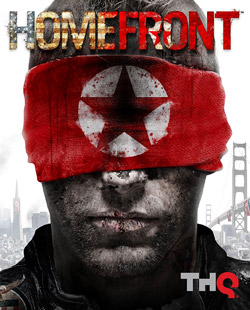
Homefront is a first-person shooter released in 2011 that depicts a near-future conflict on American soil. Developed by Kaos Studios for consoles with a PC version handled by Digital Extremes, it combines a linear, story-driven single-player campaign with competitive multiplayer features. The game attracted attention both for its premise—an invasion of the United States by a foreign power—and for controversies that followed its release in some countries. See the developer and platform notes at developer page and store listings such as product information.
Image gallery
2 Images
Gameplay and structure
The core experience is typical of modern military shooters: players progress through scripted mission sequences in first-person view, using a range of conventional firearms and improvised weapons. Single-player missions focus on small-unit engagements, stealth or hit-and-run tactics, and set-piece moments that advance the narrative. Multiplayer offers objective-based modes, team combat, weapon progression and unlocks familiar to online shooters of its era. For platform availability and technical details see Windows and console pages: Windows and Xbox 360.
Setting and story
The campaign is set in a speculative near future where geopolitical changes have allowed a foreign military force to occupy parts of the United States. The narrative follows civilian and resistance characters as they resist occupation, sabotage enemy operations and seek to rally public support. The presentation is cinematic and political in tone, aiming to create tension through scenes of occupation, checkpoints and asymmetric warfare rather than through large-scale conventional battles.
Development and release
Kaos Studios led the game's development with support for the PC release by Digital Extremes. The game was published in the early 2010s and distributed across major platforms. Its marketing emphasized the controversial premise and the multiplayer component. The franchise later continued with a subsequent title developed under a different studio and publisher, expanding the setting and gameplay approach.
Reception, controversies and regional responses
Critics gave Homefront mixed reviews: many praised the concept and atmosphere of the single-player story while noting a relatively short campaign and uneven enemy AI; its multiplayer was commonly cited as its strongest element. The title also generated controversy because of its depiction of a real-world nation and leader. In some regions publishers and local authorities required changes or prohibited sales. For example, certain releases removed explicit references to the depicted state to meet local rules or sensitivities, as reported in regional coverage and publisher statements such as reports on censorship and commentary on removed imagery like that of a national leader noted in press coverage. Other jurisdictions took stronger measures, including restrictions or bans on distribution; see regional notices such as government and retail guidance.
Legacy and notable facts
Homefront is often discussed as an example of games that intersect entertainment and geopolitics: its premise provoked debate about representation, fictionalization and regional law as much as it did conversation about gameplay. Players and commentators continue to reference it when discussing narrative risk-taking in military shooters and the practical challenges of releasing politically charged content in multiple territories. For additional reading and developer statements consult the linked resources above.
Related articles
Author
AlegsaOnline.com Homefront (video game) Leandro Alegsa
URL: https://en.alegsaonline.com/art/44890
Sources
- gamespot.com : "Kim Jong-il axed from Homefront in Japan"
- pinoytutorial.com : "Onlive Homefront Bundle Deal: Pre-order Price and Details"