
Homemaker
A homemaker manages and maintains a household—handling cleaning, cooking, childcare, organization and budgeting. The role is gender-neutral and may be unpaid or compensated, full-time or part-time.
Overview
A homemaker is a person who organizes and sustains the functioning of a private residence. The term covers those who perform household tasks whether they live at home full time, combine home duties with paid employment, or provide professional services to others. Modern usage is gender-neutral and includes what have historically been called "housewife" or "househusband."
Image gallery
10 Images



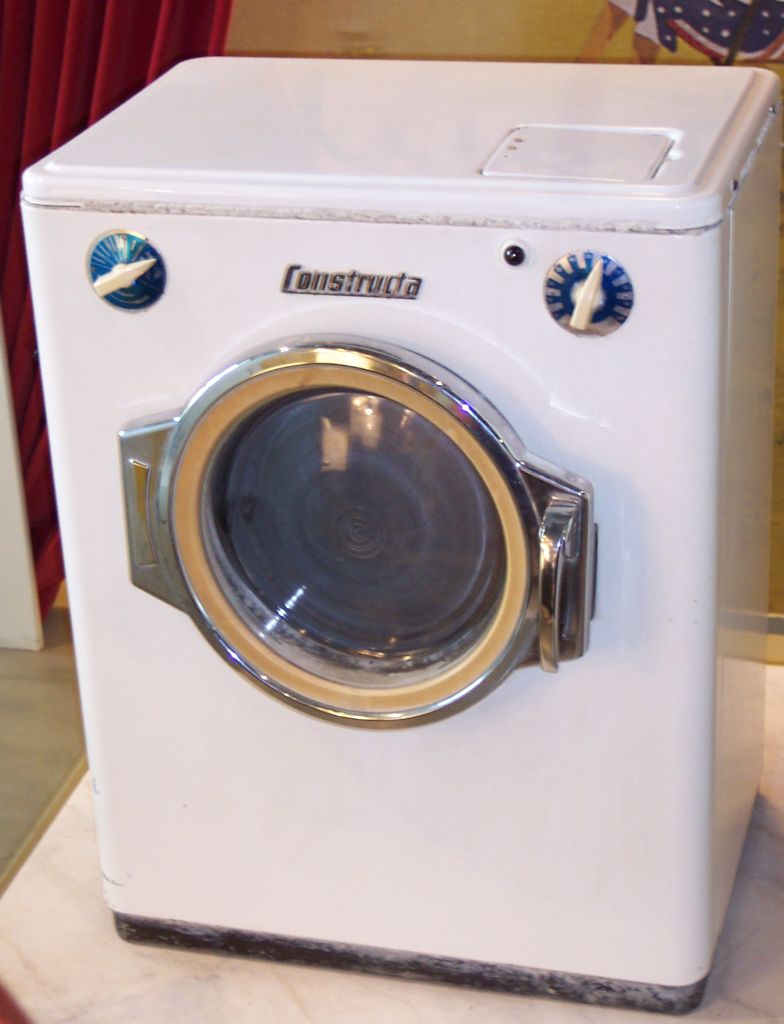
Common responsibilities
Responsibilities vary by household but typically include routine and occasional tasks that keep a home safe, comfortable and efficient. Many homemakers coordinate multiple activities and perform both visible chores and less visible forms of labor such as planning and emotional support.
- Cleaning, laundry and general upkeep
- Meal planning, cooking and food management
- Childcare, education support and scheduling
- Household budgeting, bill paying and shopping
- Maintenance coordination and small repairs
- Emotional labor: organizing social life, remembering obligations
History and social context
The role of homemaker has existed in many societies but its social meaning has changed over time. In agrarian and preindustrial economies, household management was integral to work and survival. Industrialization and the rise of wage labor in the 19th and 20th centuries shifted domestic duties into a more distinct private sphere, often gendered. From the late 20th century onward, increased female labor force participation, changing gender norms and new household technologies diversified how families allocate homemaking tasks.
Importance and broader implications
Homemakers contribute to family wellbeing, child development and the informal economy. Their work enables other family members to pursue education or paid employment. Because much homemaking is unpaid and performed in private, it is frequently undervalued in public policy and economic statistics, prompting debates about care work, social support and compensation.
Distinctions and modern variations
"Homemaker" differs from domestic worker (a paid employee), professional housekeeper (service provider) and caregiver (whose primary focus may be medical or long-term care). Contemporary arrangements include shared responsibilities between partners, outsourcing tasks to services, part-time professional homemakers, and blended roles where remote work and household management coexist.
Understanding the homemaker role requires recognizing both the concrete tasks performed and the organizing, planning and emotional labor that sustain daily life.
Related articles
Author
AlegsaOnline.com Homemaker Leandro Alegsa
URL: https://en.alegsaonline.com/art/44894