
Hockey stick: design, types, history and uses
An overview of the hockey stick—its parts, materials, historical development, and differences between ice and field hockey sticks, plus common uses and rules-related issues.
A hockey stick is the primary tool used by players to control and propel the puck in ice hockey or the ball in field hockey. Although simple in concept—a long shaft with a shaped end called a blade—the hockey stick has evolved into a specialized piece of sporting equipment with many variations in shape, material and performance. Manufacturers, athletes and researchers consider balance, stiffness and blade curvature when choosing or designing a stick.
Image gallery
9 Images



Parts and characteristics
The main components of a hockey stick are the shaft, the point where the shaft meets the blade (the heel), and the blade itself. Modern ice hockey sticks commonly use composite materials such as carbon fiber and fiberglass for weight reduction and strength, while traditional sticks were made of wood. Field hockey sticks are generally shorter, have a thicker, curved blade and are built for repeated ground contact with a ball rather than with a puck.
- Flex: A measure of how much a stick bends under load. Players choose flex to match shooting style and strength.
- Kick point: The part of the shaft that bends most during a shot, influencing release speed.
- Blade curve: Ice hockey blades are often curved to aid puck control and shooting; goaltenders use wider blades to block shots.
- Materials: Wood, composite laminates, and hybrid constructions affect feel, durability and cost. See more on materials at composite materials.
History and development
Early hockey sticks were simple wooden implements handcrafted to suit individual players. Over time, incremental changes—different blade shapes, laminated woods, and eventually synthetic composites—led to the diverse range of sticks available today. Research into aerodynamics, material science and player biomechanics has driven much of the modern innovation, with manufacturers experimenting with new layups and geometries to improve shot speed, accuracy and durability.
Uses, rules and safety
Hockey sticks are used to pass, receive, dribble and shoot. In both ice and field hockey every skater or field player uses a stick designed for the specific game. Sticks are also involved in defensive play; using a stick to impede or strike an opponent can draw a penalty under the rules of the sport. For information about rule enforcement and infractions, see materials about penalties. Goaltenders use specialized sticks with larger blades to increase stopping surface; more on that role at goaltender.
Differences between ice and field hockey sticks
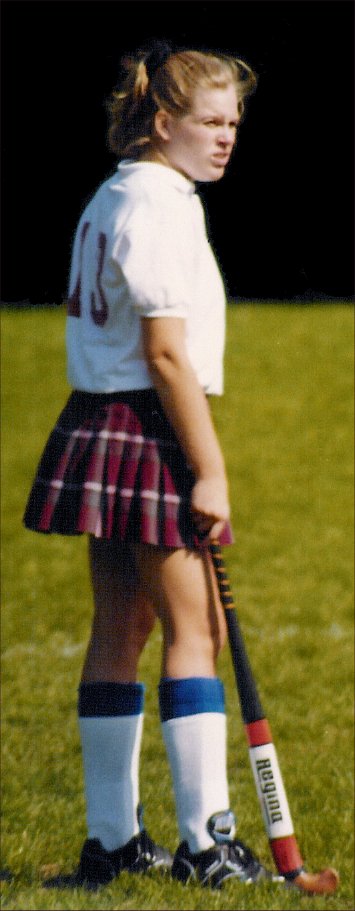
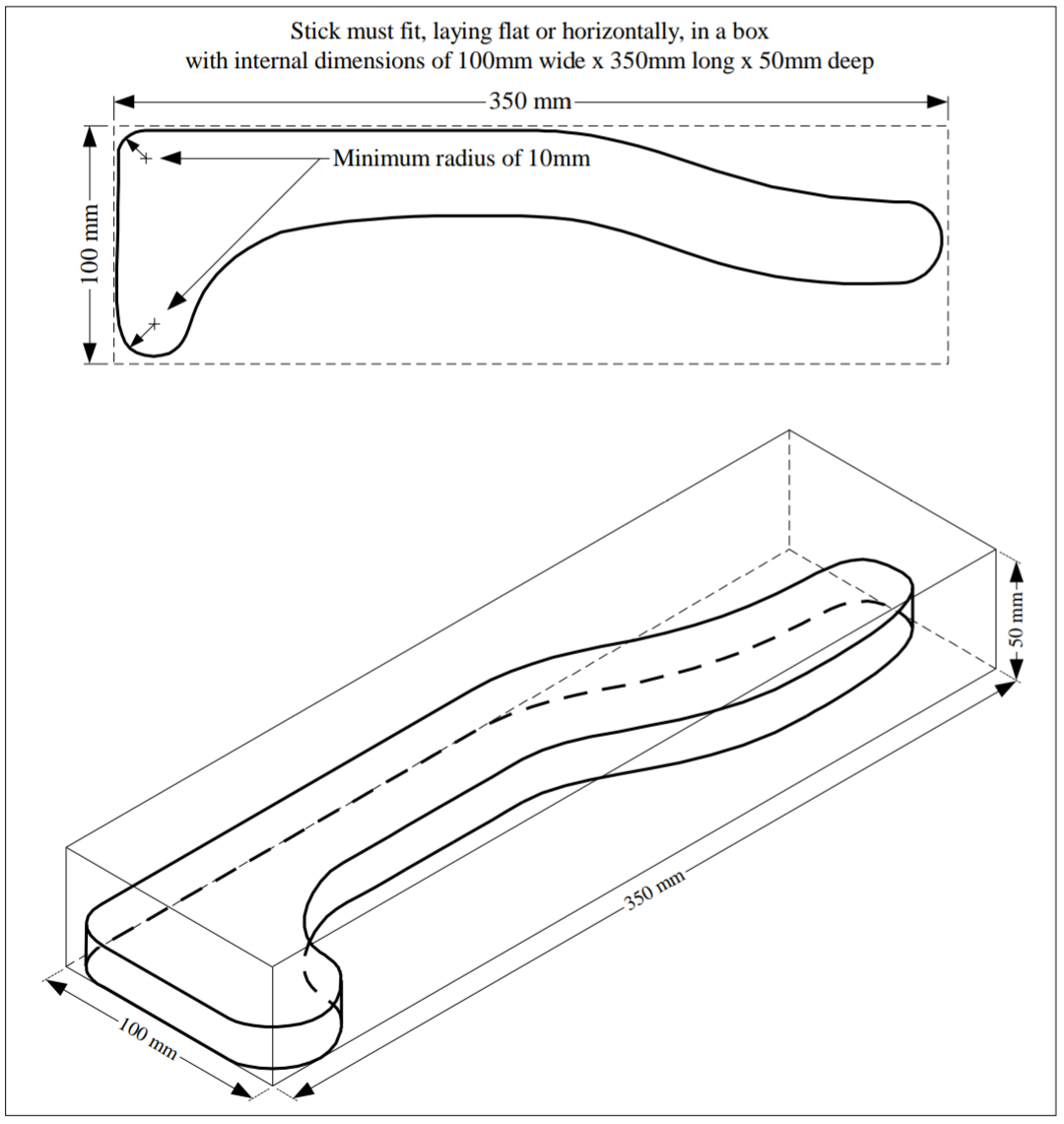
Though they share a name, ice and field hockey sticks differ in length, blade shape and intended contact object. Ice hockey sticks are often longer and feature a narrower, more curved blade optimized for maneuvering a flat puck on ice. Field hockey sticks are shorter with a rounded, thicker blade suited to striking and controlling a spherical ball on turf. Equipment rules in each sport also prescribe allowable dimensions and shapes; sporting bodies and rulebooks provide detailed specifications (sports governing pages).
In practice, choosing a stick involves balancing personal preference, position, playing surface and budget. Advances in materials and design continue to influence performance, making the hockey stick both a traditional symbol of the game and a subject of ongoing technical refinement.
Related articles
Author
AlegsaOnline.com Hockey stick: design, types, history and uses Leandro Alegsa
URL: https://en.alegsaonline.com/art/44622
Sources
- commons.wikimedia.org : Hockey stick