
Honda Racing F1: history, roles, and notable achievements
Overview of Honda’s involvement in Formula One as a constructor and engine supplier, its key eras (1960s, late 1980s–90s, 2006–2008) and later returns, plus major accomplishments and distinctions.
Honda Racing F1 refers to the Japanese manufacturer's long and intermittent involvement in Formula One, both as a full constructor and as a supplier of engines. Over several decades Honda has entered the sport in different forms: a factory team in the 1960s and 2000s, a dominant engine supplier in the late 1980s and early 1990s, and a returning partner in the 2010s. Its presence has been marked by technical innovation, notable race wins, and several high-profile partnerships.
Image gallery
10 Images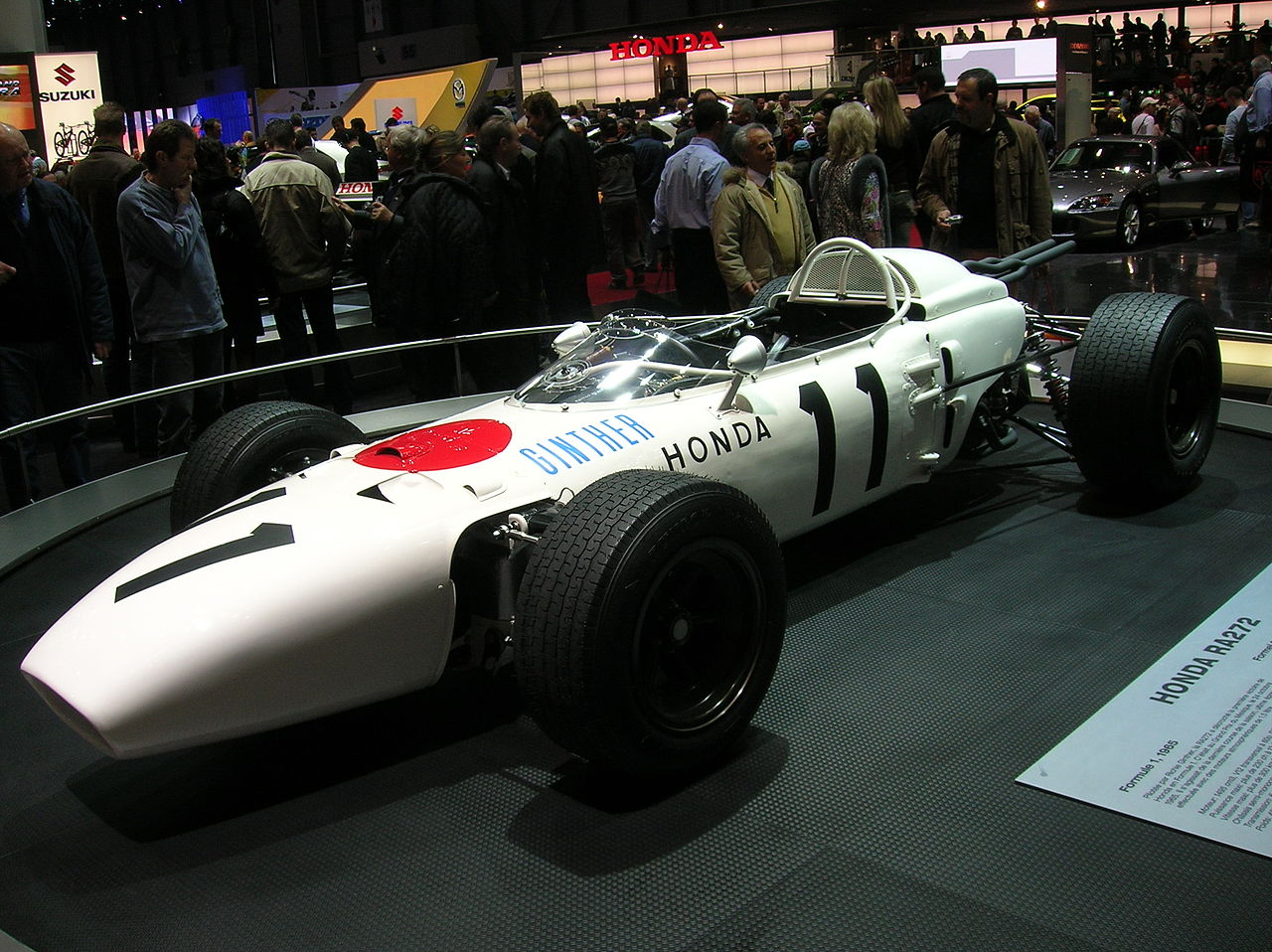


Roles and characteristics
Honda’s participation in F1 can be separated into two main roles. As a constructor it designed and raced complete cars under the Honda name. As an engine supplier it provided power units to independent teams and factory outfits, tailoring designs to match chassis partners. Honda engines have been known for high-revving characteristics and a strong emphasis on compact packaging and efficiency—traits that reflect the company’s road-car and motorcycle engineering heritage.
Key periods in Honda’s F1 history
Honda first entered Formula One in the 1960s as a factory constructor and achieved early success before withdrawing at the end of the decade after a fatal accident that shook the program. The company returned to F1 later in the 20th century in the role of engine supplier. During the late 1980s and early 1990s Honda-powered cars, particularly with marquee teams, enjoyed a sustained run of victories and championships, establishing Honda as a top engine manufacturer in the sport.
In the 2000s Honda re-established a full works team when it acquired British American Racing in 2006. The team ran with experienced drivers including Rubens Barrichello and Jenson Button. The factory effort delivered a memorable victory when Jenson Button won the 2006 Hungarian Grand Prix, marking Honda’s return to the top step as a constructor. Economic pressures led Honda to announce its withdrawal from Formula One in late 2008; the team was subsequently sold to Ross Brawn and re-emerged as Brawn GP for the 2009 season.
Later returns and modern involvement
After leaving as a factory team, Honda continued to engage with Formula One on and off. In the 2010s it returned as an engine supplier, partnering with multiple teams in the hybrid era and contributing to podiums and race wins. These later partnerships demonstrated Honda’s continued technical commitment to the sport and its ability to develop contemporary hybrid power units under increasingly strict performance and reliability demands.
Notable achievements and distinctions
- Early success as a factory entrant in the 1960s, including race wins within the first years of competition.
- Reputation as a leading engine manufacturer during the late 1980s and early 1990s when Honda-powered teams claimed multiple grands prix and championships.
- Victory as a constructor after the 2006 acquisition of British American Racing and a rapid, competitive factory effort.
- Ongoing influence in F1 technical development through repeated returns as an engine supplier in the hybrid era.
Honda Racing F1 illustrates how a major manufacturer can alternate between building complete cars and supplying critical components, adapting its strategy to broader business priorities while leaving a lasting mark on the sport. For further reading on the teams and drivers associated with Honda’s F1 efforts, see material on British American Racing, Rubens Barrichello, Jenson Button and Brawn GP.
Related articles
Author
AlegsaOnline.com Honda Racing F1: history, roles, and notable achievements Leandro Alegsa
URL: https://en.alegsaonline.com/art/44969