
History of the London Underground
A concise history of the London Underground, from the 1863 Metropolitan Railway through technological change, social impact, and modern developments shaping the network known as the Tube.
The London Underground, commonly called the Tube, is the world's oldest underground urban railway system. It began in the mid-19th century as a short sub-surface line built to relieve street congestion and rapidly expanded into a complex network of shallow 'sub-surface' routes and deep-level tube tunnels that now serve Greater London.
Image gallery
10 Images

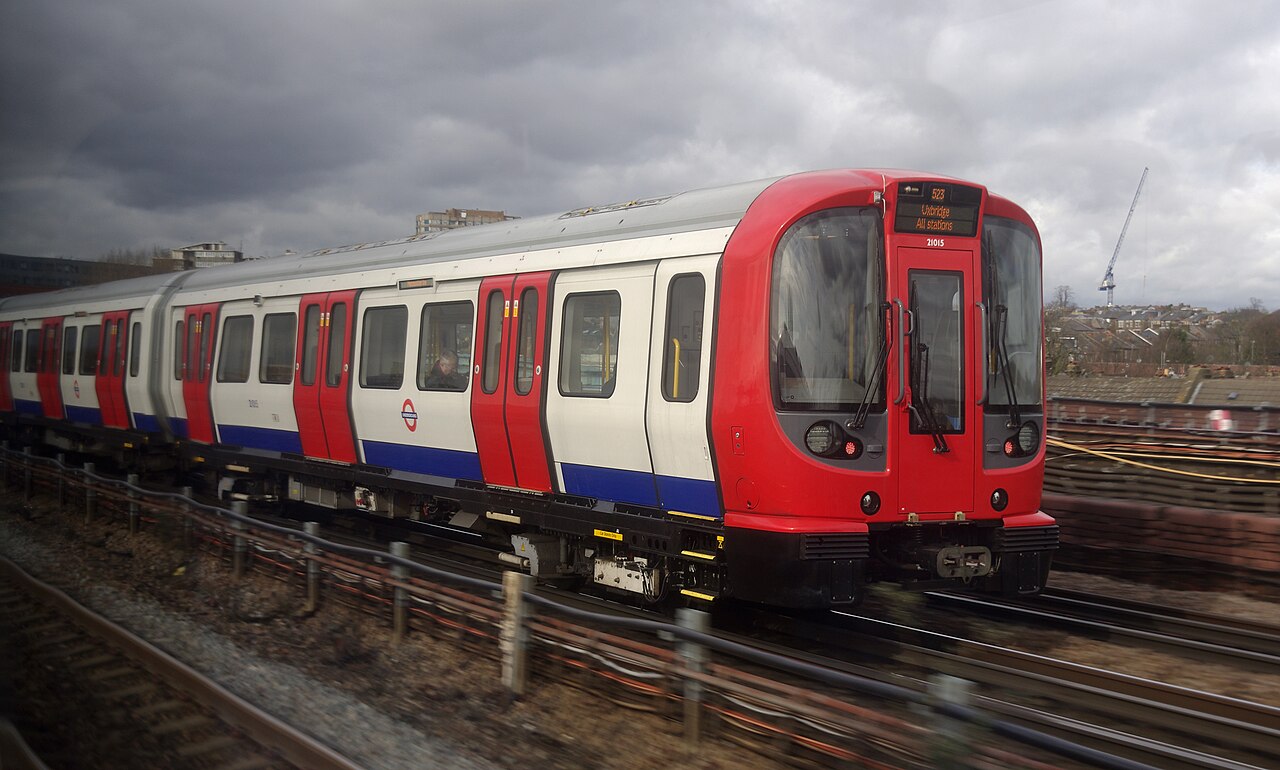


Origins and early expansion
The first underground section opened in 1863 as the Metropolitan Railway, using steam locomotives in cut-and-cover tunnels. Later 19th-century extensions and competing companies created a patchwork of lines. Technological advances — especially electric traction and improved tunnelling methods — allowed new deep-bore lines to be built, creating the distinctive circular tunnels and small-profile tube trains.
Milestones and design
- Transition from steam to electric trains, enabling cleaner, faster services and deeper tunnels.
- Introduction of iconic branding such as the roundel and the schematic diagram that reimagined rail geography for passengers.
- Expansion of interchanges and integration with suburban rail and buses to form a coordinated urban transport system.
Notable design developments include the simplified schematic map created in the early 20th century that prioritized clarity over geographic accuracy, and station architecture that ranges from Victorian engineering to modernist and contemporary interventions.
Social role and wartime use
The Underground has played a major social role in London's growth. In wartime, many deep-level stations doubled as shelters. Daily commuting patterns shaped suburbs and work districts, and the system has been central to London's economic and cultural life.
Modernisation and significance
From the late 20th century onward the network has seen modernization of signalling, new rolling stock, accessibility improvements, and electronic ticketing systems that simplified fares and journeys. It remains one of the busiest metro systems in the world, continually adapting to safety, environmental and capacity challenges while preserving historic elements of its infrastructure.
For official resources and up-to-date service information see the operator's website: official site.
Related articles
Author
AlegsaOnline.com History of the London Underground Leandro Alegsa
URL: https://en.alegsaonline.com/art/44497