
Hiroo Onoda: Japanese army intelligence officer and long-term WWII holdout
Hiroo Onoda (1922–2014) was an Imperial Japanese Army intelligence officer who continued fighting in the Philippines for 29 years after WWII before formally surrendering in 1974.
Overview
Hiroo Onoda was an officer in the Imperial Japanese Army assigned to intelligence duties (intelligence) during World War II. Trained to resist surrender, he remained hidden on an island in the Philippines for nearly three decades after the war ended, becoming one of the most widely known instances of a wartime holdout.
Image gallery
3 Images
Early life and military training
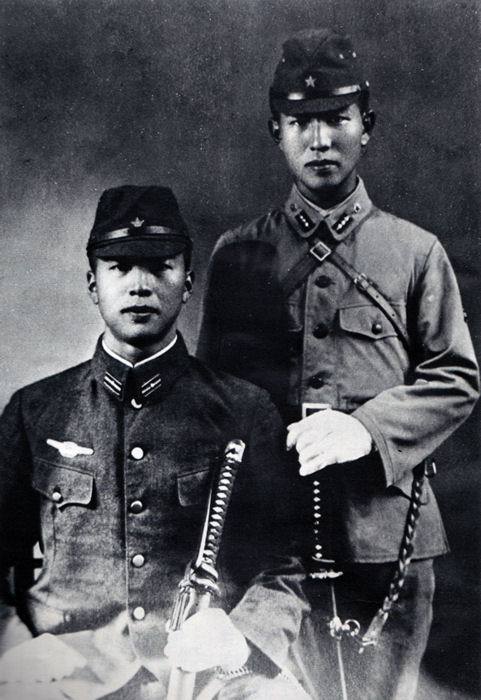
Born in Kamekawa in Wakayama Prefecture in what was then the Empire of Japan, Onoda entered military service as a young man and received specialized instruction in guerrilla tactics, survival and intelligence work. Those orders and the culture of duty that shaped him influenced his decision to continue operating long after formal hostilities ceased.
The holdout
After Japan's official surrender in 1945, Onoda did not accept reports that the war had ended. He and a small group maintained a campaign of sabotage and reconnaissance from jungle shelters, believing they were still under military orders. Over time his companions were killed or surrendered, but Onoda remained. He lived off the land, avoided capture, and ignored leaflets and newspaper reports that tried to convince him the war was over.
Surrender and return
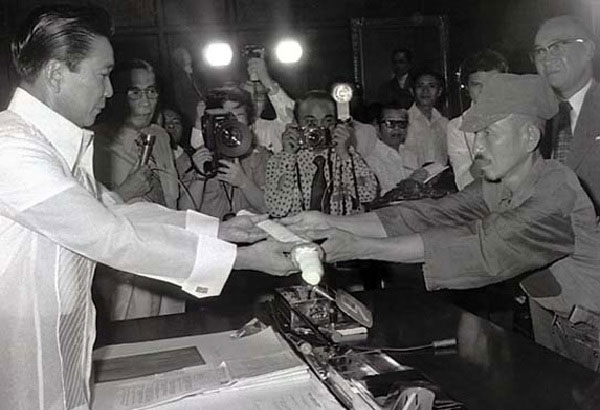
After approximately 29 years in the field, Onoda was formally relieved of duty when a former commanding officer traveled to the Philippines and issued orders releasing him from his wartime mission. He returned to Japan, where he recounted his experiences in an autobiography and became a public figure. Accounts of his story raised questions about duty, obedience, nationalism and the human cost of prolonged conflict.
Legacy and responses
Onoda's case is often cited in discussions about military indoctrination, the psychology of obedience and the aftereffects of war. His story inspired books, documentaries and debate: some lauded his perseverance, others criticized actions taken during the holdout. After returning from the Philippines he lived in the public eye for years, taking part in interviews and speaking about his experiences.
Death and final facts
Hiroo Onoda died on January 16, 2014. Reports stated he suffered heart failure brought on by complications from pneumonia while at St. Luke's International Hospital in Japan. His unusual life has remained a subject of historical interest and ethical reflection.
- Role: Imperial Japanese Army officer
- Service type: intelligence and guerrilla operations
- Theatre: Philippines during and long after World War II
Related articles
Author
AlegsaOnline.com Hiroo Onoda: Japanese army intelligence officer and long-term WWII holdout Leandro Alegsa
URL: https://en.alegsaonline.com/art/44372