
Heo Mok: Joseon scholar-official, Neo-Confucian thinker and artist (1595–1689)
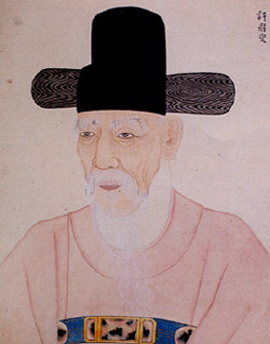
Heo Mok (1595–1689) was a prominent Joseon Dynasty scholar-official, leader of the Southern faction, Neo-Confucian and Taoist thinker, calligrapher, painter and writer noted for his literary and political influence.
Overview
Heo Mok (10 January 1595 – 27 April 1689) was a leading scholar-official of the Korean Joseon Dynasty who combined Confucian learning with interests in Taoist thought and the arts. He is remembered for his political leadership within the Southern faction, his writings and his distinctive calligraphy and painting. His Korean name appears in Hangul and classical Chinese characters in Hanja.
Image gallery
10 Images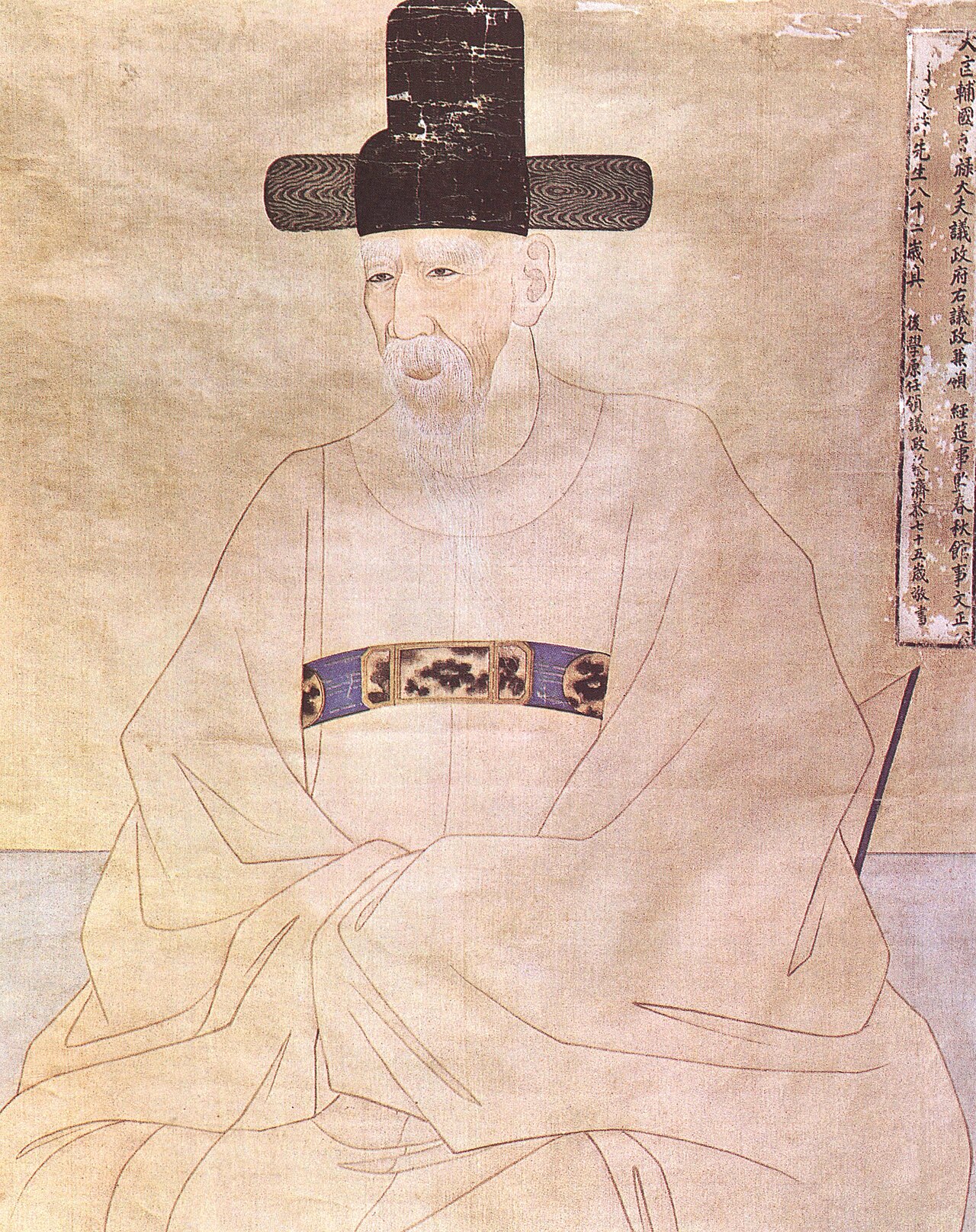






Life and political career
Heo Mok rose through the classical examination and officialdom to occupy high government posts. Between 1675 and March 1680 he served in a vice-premier-level capacity, exercising influence on court policy and factional disputes. He became a central figure of the Southern (Namin) political group, which shaped policy debates in the late seventeenth century. As a statesman he was involved in the contentious, faction-driven politics typical of the period and worked to advance the positions of his colleagues and students.
Names, writings and intellectual outlook
Heo Mok used several pen names and style names. His pen names included Misu (미수, 眉叟), Taeryeong-Noin (태령노인, 台領老人) and Sukhojangin (석호장인, 石戶丈人). His style names were Munbo (문보, 文甫) and Hwabo (화보, 和甫). He combined Neo-Confucian doctrine with an openness to Taoist ideas, producing essays, philosophical reflections and poetry. He was both a public official and an active scholar who debated moral and administrative questions of his day.
Art and calligraphy
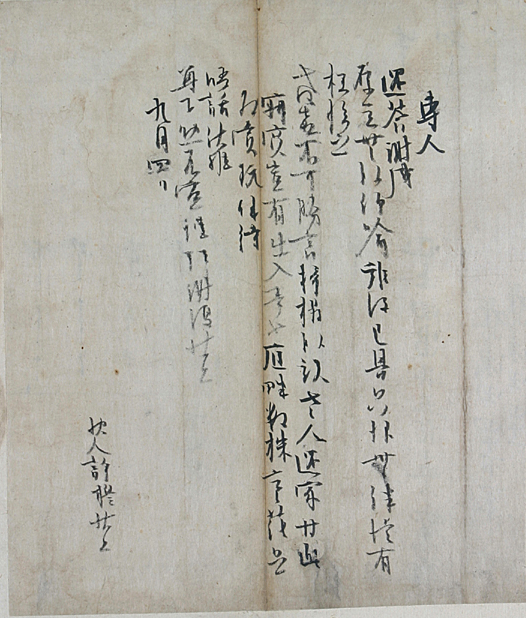
In addition to prose and political writings, Heo Mok is known for calligraphy and painting that reflect the literati aesthetic of Joseon Korea. His calligraphic works were prized for their vigor and personal expression, and his paintings display the same literati sensibility. These artistic activities helped cement his reputation as a cultured gentleman-scholar in late Joseon society.
Legacy and distinctions
Heo Mok's influence survives through his writings, stylistic contributions to calligraphy, and the imprint he left on factional politics. Scholars and collectors have studied his work as an example of seventeenth-century Korean intellectual life. For readers seeking original texts and further commentary, references to his name and works can be found in modern collections and catalogs. Relevant entries and digitized materials may be located via library or archival guides (Neo-Confucian sources, Taoist references), and institutional pages that discuss Joseon literati (art and calligraphy, official records).
Further reading and resources
- Biographical summaries and timelines: consult specialized histories and academic treatments (biography).
- Collections of writings and calligraphy: look for curated editions and museum catalogs (writings, calligraphy).
- Contextual studies on factional politics in Joseon: for background on the Southern faction and court offices (political context).
Heo Mok stands as a representative figure of his time: a government official who maintained a rich scholarly and artistic life, engaging both theory and practice in an era defined by intense intellectual and political activity.
Related articles
Author
AlegsaOnline.com Heo Mok: Joseon scholar-official, Neo-Confucian thinker and artist (1595–1689) Leandro Alegsa
URL: https://en.alegsaonline.com/art/43647