
Fredric March: American stage and screen actor
Fredric March (1897–1975) was a versatile American actor acclaimed for stage, film, radio and television work; two-time Academy Award winner noted for Dr. Jekyll and Mr. Hyde and The Best Years of Our Lives.
Fredric March (born Ernest Frederick McIntyre Bickel; August 31, 1897 – April 14, 1975) was an American actor whose career spanned theatre, motion pictures, radio and television. Renowned for his versatility and range, he moved between leading-man roles and complex character parts, earning recognition from major awards bodies and from critics for his technical skill and emotional nuance. His most widely known film performances are the dual role in Dr. Jekyll and Mr. Hyde and the veteran Al Stephenson in The Best Years of Our Lives, each of which brought him an Academy Award.
Image gallery
8 Images


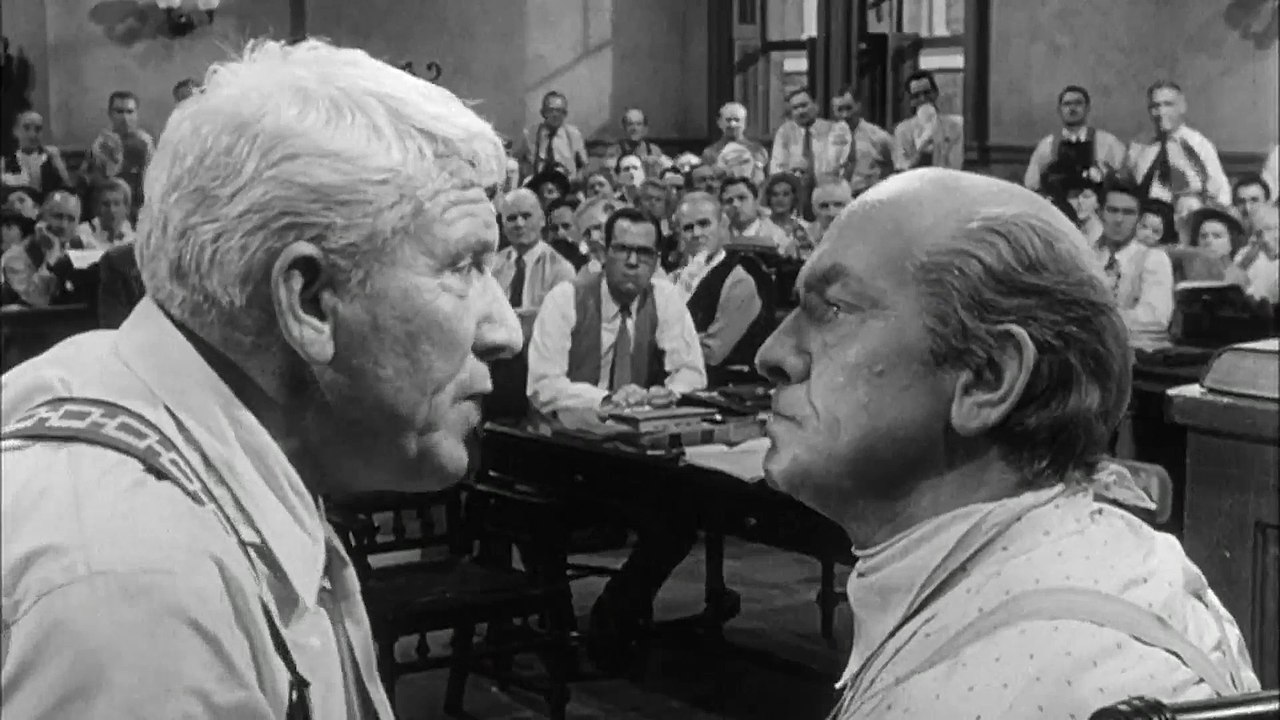


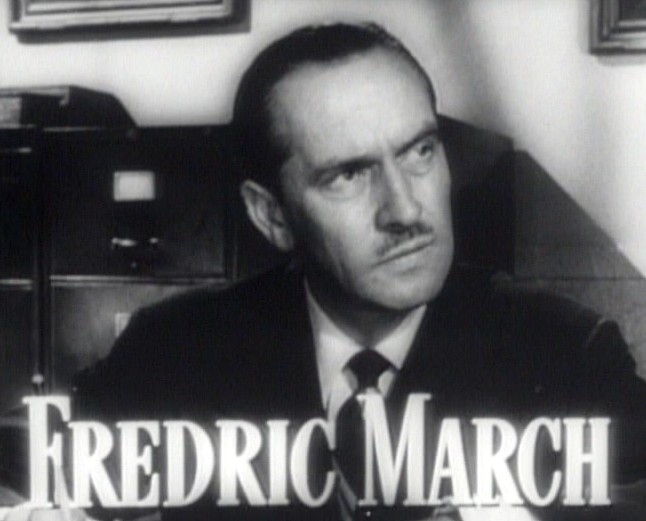
Early life and name
Born in Racine, Wisconsin, March adopted a stage name for his professional work. He trained and performed on the stage before becoming a fixture in Hollywood productions, bringing theatrical technique to his screen work as film acting evolved through the early and mid 20th century. His background in live performance informed his approach to character development, vocal control and physical transformation.
Stage and screen career
March began his career in regional theatre and on Broadway, where stage discipline and a command of language helped him win critical attention. He transitioned into motion pictures and radio, and later accepted roles in television dramas as that medium matured. Across these platforms he played a wide array of parts: romantic leads, complex antagonists, sympathetic everymen and figures who required substantial psychological or physical alteration. His work illustrates how a performer with solid stage training adapted to the demands of film closeups, sound recording and radio broadcasting.
Acting style and critical reception
Critics noted March's precision, vocal control and capacity for transformation. He balanced theatricality with understatement when film required it, and he was praised for bringing intellectual rigor to character motivation as well as for his ability to convey inner conflict without excess. His portrayals often emphasized moral complexity and human sympathy, contributing to his reputation as an actor who could anchor both melodrama and restrained realism.
Awards and recognition
- Two Academy Awards for acting, for Dr. Jekyll and Mr. Hyde and for The Best Years of Our Lives.
- Recipient of a Tony Award for stage work, and of other major honours including a Golden Globe and a BAFTA.
- Remembered as one of the significant American actors of the mid-20th century for range, longevity and professional seriousness.
Personal life
March married twice. His second marriage, to actress Florence Eldridge, lasted from 1927 until his death; the couple sometimes appeared together on stage and screen and adopted two children. He died in Los Angeles in 1975 from prostate cancer, leaving a substantial body of work that continues to be of interest to students of performance and film history.
Legacy and study
Fredric March's career is often studied as an example of a performer who successfully crossed media boundaries while maintaining high standards of craft. His dual achievement in both stage and screen demonstrates the transferability of classical technique to cinematic demands. Contemporary actors and historians examine his transformations, use of physical and vocal nuance, and choices of varied material as instructive for training and analysis.
Selected topics and further reading
- Comprehensive stage career overview — stage career
- Full filmography and credits — filmography
- Radio broadcasts, scripts and notable performances — radio appearances
- Television roles and later screen work — television credits
- Compiled honors, awards and citations — honors and awards
- Biographical timelines and authoritative biographies — biography
- Photo collections and publicity materials — photo archive
- Contemporary reviews and interviews — contemporary coverage
- Research tools for scholars and educators — research resources
Readers interested in performance history will find March's work a productive subject for study because it spans important changes in 20th-century entertainment: the consolidation of the studio era, the postwar turn toward social realism in film, and the rise of radio and television as dramatic media. His recorded performances and documented stage appearances remain useful material for courses in acting technique, film history and dramatic literature.
Related articles
Author
AlegsaOnline.com Fredric March: American stage and screen actor Leandro Alegsa
URL: https://en.alegsaonline.com/art/119242