
Henry Fielding: English Novelist, Playwright, and Magistrate
Overview of Henry Fielding (1707–1754): his life, major works (Joseph Andrews, Tom Jones, Amelia), theatrical career, role as a magistrate and founder of the Bow Street Runners, and literary legacy.
Overview
Henry Fielding (22 April 1707 – 8 October 1754) was an English writer and magistrate whose novels and public service left a lasting mark on eighteenth-century literature and policing. He first gained notice as a playwright and satirist in London, then turned to the novel after restrictions on the theatre curtailed his dramatic career. His best-known works — Joseph Andrews, The History of Tom Jones, a Foundling and Amelia — established him as a leading author of comic realism and moral satire.
Image gallery
6 Images
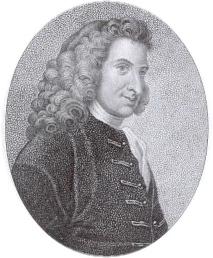


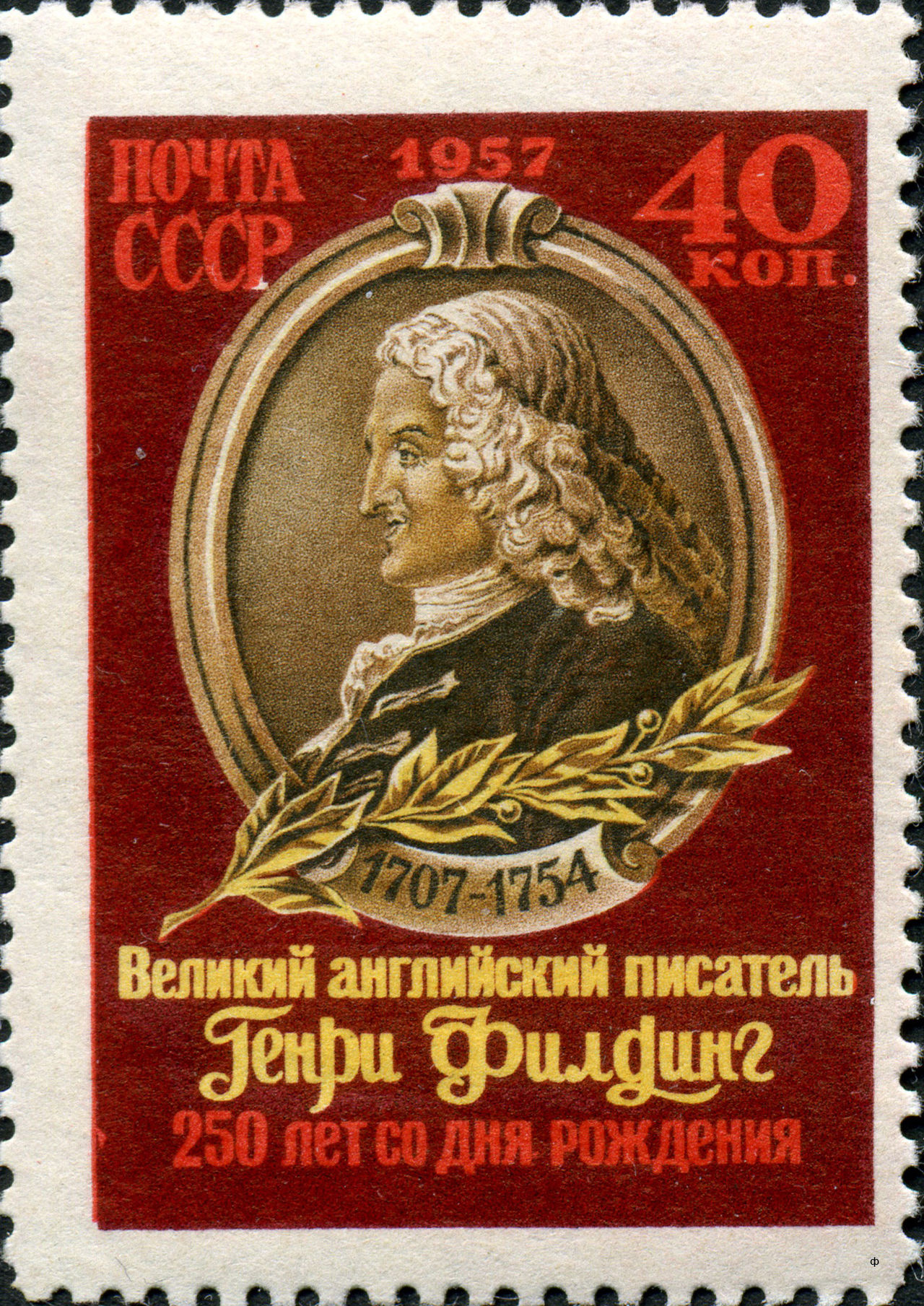
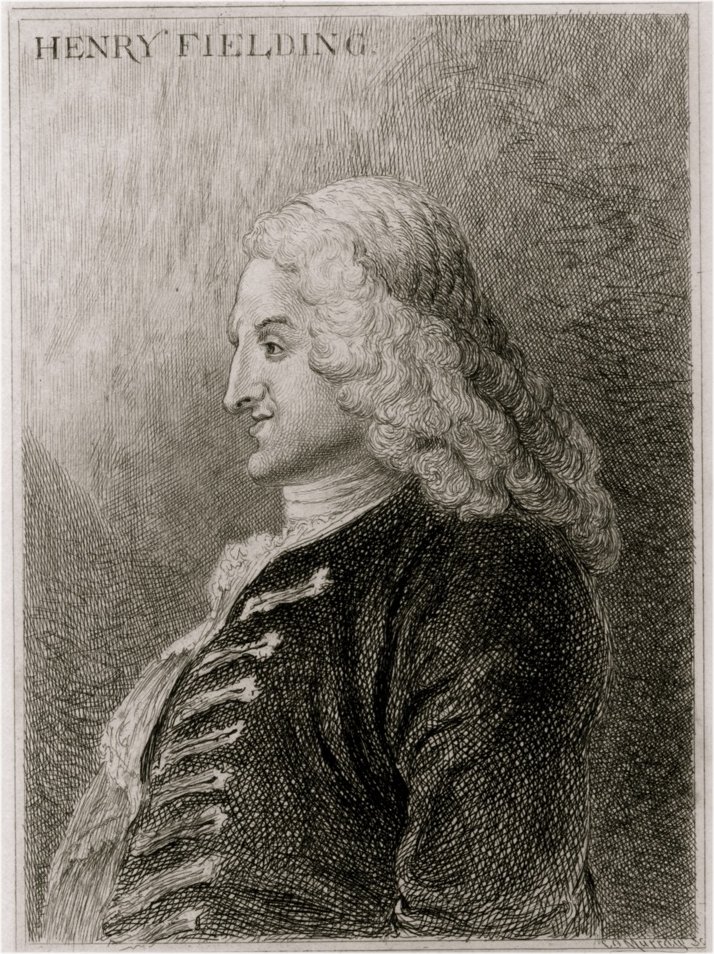
Life and career
Fielding was born in Sharpham, Somerset into a landed family and received a formal education at Eton College. He moved to London as a young man to pursue theatre and writing. Between 1728 and 1737 he produced many plays and essays, becoming known for robust humour and pointed social commentary. The 1737 Licensing Act, which imposed government censorship on the stage, effectively ended his theatrical output and prompted his transition to prose fiction and journalism.
Major works and literary approach
Fielding’s novels combine comedy, moral reflection and a broad, sometimes satirical, portrayal of English society. Major works include:
- Joseph Andrews (1742) — begun as a parody of sentimental fiction and evolving into a comic epic about virtue and hypocrisy.
- The History of Tom Jones, a Foundling (1749) — a panoramic picaresque novel celebrated for its lively plot, omniscient narrator, and ethical sensibility.
- Amelia (1751) — a later, more serious novel addressing marriage, fidelity, and social pressures.
Fielding wrote with an openly intrusive narrator who commented on characters and events, using humour and moral inquiry to explore social norms. Critics often note his blend of comic invention with an interest in justice and reform.
Magistrate, policing, and public life
Later in life Fielding took a public post as a magistrate in Westminster and became closely associated with Bow Street court. In this role he wrote about crime and the causes of criminality, and he helped organize the Bow Street Runners — an early, semi-official detective force sometimes described as a precursor to modern policing. His pamphlets and speeches on law and public order show a practical concern for reducing robbery and improving administration of justice.
Legacy and significance
Fielding is remembered both as a novelist who shaped the English comic tradition and as a public figure who sought to apply reason and humanity to law enforcement. His influence can be traced in later realist and comic fiction; his narrative techniques and moral aims were taken up by subsequent generations of writers. He maintained friendships and intellectual ties with contemporaries such as Samuel Johnson and Christopher Smart, and he moved in political circles that included figures like William Pitt the Elder.
Final years and further reading
Fielding’s health declined in the early 1750s. He travelled to Lisbon for medical treatment and died there in 1754; he was buried in the English Cemetery in Lisbon. For concise biographical summaries, primary texts and critical studies, see the following resources:
- General biographies and overviews
- Records and studies of his magistrate career
- Accounts of his final journey to Lisbon
- Portuguese contexts and the English Cemetery
- Background on Eton and early education
- Local history of Sharpham and Somerset
- Connections with Christopher Smart
- Relationships with Samuel Johnson and literary circles
Related articles
Author
AlegsaOnline.com Henry Fielding: English Novelist, Playwright, and Magistrate Leandro Alegsa
URL: https://en.alegsaonline.com/art/43574