
Christopher Smart (1722–1771): English poet and writer
Christopher Smart, an 18th-century English poet, is known for religious lyricism and the long poem Jubilate Agno. His confinement and posthumous reputation shaped modern appreciation of his work.
Christopher Smart (11 April 1722 – 21 May 1771) was an English poet whose energetic religious verse and unusual life have attracted attention from critics and readers. He is best known for A Song to David and the long litany-like poem Jubilate Agno, a manuscript composed during a period of confinement that did not see full publication until the 20th century.
Image gallery
8 Images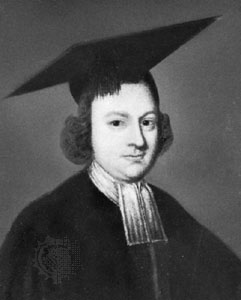


Biography and career
Smart trained at the University of Cambridge and then worked in various literary and theatrical circles. He wrote for periodicals and earned some income through journalism and occasional pieces; he also spent a period working for his father-in-law, John Newbery. Friends and acquaintances included prominent literary figures such as Samuel Johnson and Henry Fielding. Among intimates he was sometimes called "Kit" or "Kitty." His public activity combined poetry, journalism and occasional performances.
Confinement and later writings
For several years Smart was confined in a mental institution, often described in sources as a prison or asylum; contemporaries disagreed about the causes and nature of his condition. During this period he produced some of his most notable work. He composed the devotional and highly patterned A Song to David as well as the sprawling and fragmentary Jubilate Agno, which remained in manuscript form until its first wide publication in 1939. Accounts of his behavior and diagnosis varied, and modern readers typically treat his writings as expressions of intense religious feeling and inventive poetic technique rather than simple evidence of illness. Institutional confinement marked a turning point in both the content and the reception of his poetry.
Major works and style
- A Song to David — a lyric sequence celebrating biblical themes and the figure of King David.
- Jubilate Agno — a long, fragmentary poem mixing praise, lists, and litany-like passages; famous for its striking imageries and idiosyncratic structure.
- Various occasional poems, parodies and periodical contributions that circulated in newspapers and pamphlets.
Themes, technique, and legacy
Smart's poetry blends fervent evangelical devotion, classical learning and playful formal experiment. He often used vivid biblical imagery and catalogues of praise, and his surviving work shows attention to sound, rhythm and typographical arrangement. After his death his reputation fluctuated: some contemporaries admired his ingenuity, others dismissed him because of his behavior. The mid-20th century recovery of Jubilate Agno renewed scholarly interest, and modern criticism tends to emphasize Smart's originality and the religious intensity of his verse. His life and writings remain subjects of study for those interested in 18th-century poetics, mental health and literary history. He also contributed to periodical culture, writing for newspapers and magazines during his career. Newspaper work and pamphlets helped shape his public profile.
Smart's complex reputation — friend to famous writers, employee of John Newbery, university-educated, and twice noted for unusual conduct — illustrates the tangled relationship between creativity, performance and social judgment in his era. Readers continue to encounter his intense religious lyrics and the alternately candid and enigmatic voice of Jubilate Agno. Contemporary connections and later scholarship have kept his name in discussions of 18th-century literature and the history of poetic form. Literary friendships and institutional experiences remain central to accounts of his life; for devoted readers his work rewards attention to both theological passion and inventive prosody. Educational background and biographical detail provide context, while debates about his confinement continue to be revisited by historians and critics. Confinement records and manuscript studies inform this ongoing reassessment.
Overall, Christopher Smart is remembered for the intensity and originality of his devotional poetry and for the curious afterlife of works that were not fully appreciated until long after his death.
Related articles
Author
AlegsaOnline.com Christopher Smart (1722–1771): English poet and writer Leandro Alegsa
URL: https://en.alegsaonline.com/art/20182