
Hendecourt-lès-Ransart
Hendecourt-lès-Ransart is a small rural commune in the Pas-de-Calais department of northern France. This article summarizes its location, name, local features, history, and typical communal life.
Overview
Hendecourt-lès-Ransart is a commune in the Pas-de-Calais area of northern France. It lies within the wider administrative region now known as Hauts-de-France and historically part of Nord-Pas-de-Calais. The place-name uses the particle "lès," a traditional French toponym meaning "near," indicating the village's proximity to the neighbouring locality of Ransart.
Image gallery
2 Images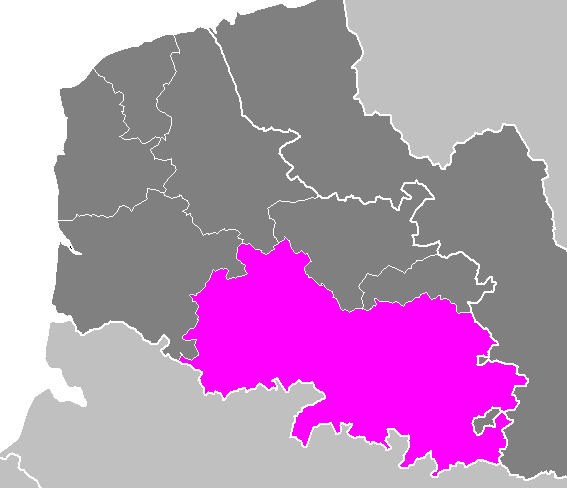

Geography and character
The commune occupies a rural setting typical of the region: patchwork fields, hedgerows and small lanes. Administratively it belongs to the Pas-de-Calais department and functions under the structures of a French department. Located in northern France, the locality experiences a temperate climate and a landscape shaped by agriculture and village settlement patterns.
History and development
Like many villages in Pas-de-Calais, Hendecourt-lès-Ransart developed around agricultural land and a local parish. Over centuries such communes have seen shifts from feudal estates to modern municipal governance, and they were affected by broader events in regional history, including industrial change and conflicts that touched northern France. Local historical markers often include an old church, farmhouses and traces of 19th- and 20th-century rural life.
Local life, economy and sights
The economy is principally rural, with farming and related activities forming the backbone of local income. Village life centers on the town hall, a parish church and communal memorials or green spaces that host local ceremonies. Visitors will typically find:
- Traditional village architecture and a parish church or chapel
- A war memorial and municipal buildings
- Walking routes across farmland and local lanes
Administration and community
As a French commune, Hendecourt-lès-Ransart is governed by a mayor and municipal council responsible for local services, planning and community events. Its small population and rural character mean municipal affairs often emphasize agricultural policy, infrastructure maintenance and preservation of local heritage. For further administrative or tourist information consult the local commune page or regional resources.
Related articles
Author
AlegsaOnline.com Hendecourt-lès-Ransart Leandro Alegsa
URL: https://en.alegsaonline.com/art/43481