
Henderson, Nevada: Overview, History, and Community
Henderson, in Clark County, Nevada, is the state's second-largest city. From a World War II industrial origin it has grown into a diverse suburban center with planned neighborhoods, parks, and regional employers.
Overview
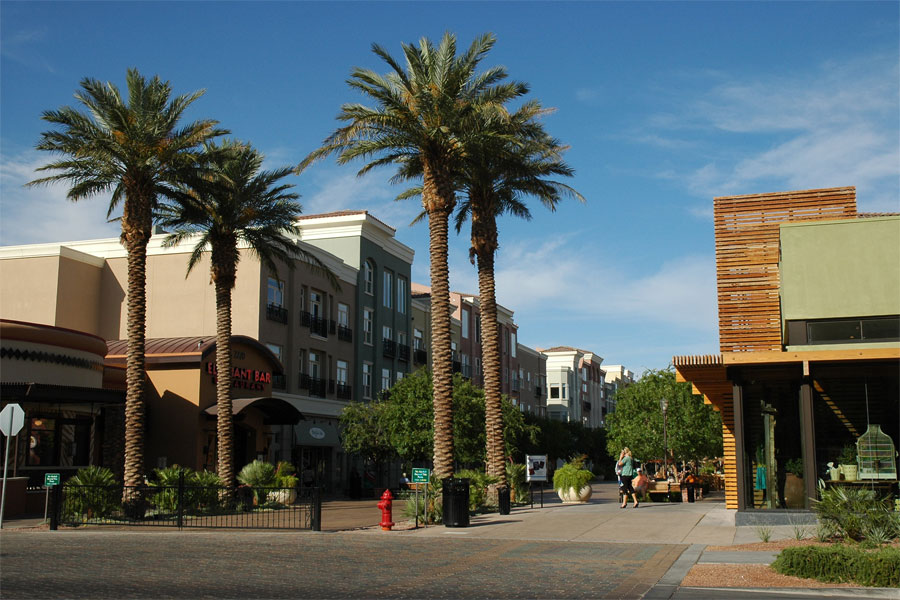
Henderson is a city located in Clark County, in the state of Nevada, United States. Long counted as part of the Las Vegas metropolitan area, Henderson ranks as Nevada's second-largest city by population. In recent estimates the community numbered roughly 332,000 residents. The city government is led by an elected mayor and council; the mayor named in local sources is Debra March. Henderson combines suburban residential areas, commercial centers and light industry while offering proximity to desert recreation.
Image gallery
10 Images



Geography and climate
Henderson sits on the southeastern edge of the Las Vegas Valley, rising toward the foothills of the McCullough Mountains. The city occupies a transition zone between urban development and the Mojave Desert, with typical hot, dry summers and mild winters. Its location provides relatively easy access to natural attractions such as Lake Mead, the Colorado River corridor and desert hiking; these features shape both leisure and tourism opportunities for residents and visitors.
History and development
The modern city of Henderson grew from industrial activity in the mid-20th century. During World War II a federal plant for producing magnesium and other materials was established nearby, catalyzing settlement and infrastructure. After the war the community evolved through stages of residential growth and planning. The city takes its name from Senator Charles B. Henderson. Over subsequent decades municipal leaders promoted master-planned neighborhoods and business parks, transforming the area into a diverse suburban municipality connected to the greater Las Vegas economy.
Economy, neighborhoods and services
Henderson's economy is mixed: health care, manufacturing, retail, professional services and government all play roles. The city hosts a number of industrial and business parks that provide local employment outside the Las Vegas core. Several well-known planned communities anchor residential life and identity—examples include Green Valley, Anthem and Seven Hills—each offering varying housing types, schools and commercial centers.
- Main economic sectors: health services, light manufacturing, retail and professional services.
- Notable neighborhoods: Green Valley, Anthem, Seven Hills and other master-planned communities.
- Public services: parks, trails, community centers and municipal planning focused on balanced growth.
Recreation, culture and distinctions
Residents and visitors use Henderson as a base for outdoor activities such as boating and fishing on Lake Mead, desert hiking, and nearby scenic drives. The city maintains an extensive parks system, golf courses and trails for walking and cycling. As Nevada's second-largest city and a distinct municipality from nearby Las Vegas, Henderson is noted for its emphasis on planned neighborhoods, municipal services and a mix of suburban and industrial land uses. Its evolution from wartime production site to a broad suburban community illustrates larger regional growth patterns in the American Southwest.
Related articles
Author
AlegsaOnline.com Henderson, Nevada: Overview, History, and Community Leandro Alegsa
URL: https://en.alegsaonline.com/art/43487