
Henderson, North Carolina
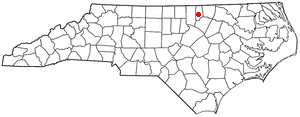
Henderson is the county seat of Vance County, North Carolina, with a 2010 population of 15,368. It is a small regional center for government, commerce, education and local culture.
Overview
Henderson is a small city in north-central North Carolina that serves as the county seat of Vance County. According to the 2010 U.S. census the city had a population of 15,368. As a county seat it functions as a local hub for public services, community institutions and commerce for the surrounding rural area.
Image gallery
4 Images

Character and Geography
The city combines a compact downtown with residential neighborhoods and nearby agricultural land. Public buildings such as the county courthouse, municipal offices and local schools form the civic core. Henderson’s location within North Carolina places it among the smaller inland cities that link rural counties to larger metropolitan centers in the state.
History and Development
Henderson developed in the 19th century as a market and administrative center for the county. Over time its economy reflected common regional patterns—agriculture and commodity processing in earlier decades, with textile and tobacco-related industries historically important. The city’s built environment includes commercial blocks, civic buildings and residential districts that record those stages of growth.
Economy, Institutions and Culture
Today Henderson’s economy is a mix of government services, local businesses, light manufacturing and service industries. Public education, healthcare providers and small colleges or training programs contribute to the local labor force and community life. Cultural activities are often centered on downtown events, county fairs, and programs hosted by civic organizations.
Notable Facts and Role
- County seat and administrative center of Vance County.
- Population recorded as 15,368 in the 2010 census.
- Serves as a regional center for government, commerce and community services for surrounding rural areas.
Henderson illustrates the role of small cities in sustaining regional economies and public life in the American South: providing legal and administrative functions, concentrating retail and professional services, and preserving local cultural traditions while adapting to broader economic change.
Related articles
Author
AlegsaOnline.com Henderson, North Carolina Leandro Alegsa
URL: https://en.alegsaonline.com/art/43488
Sources
- ci.henderson.nc.us : "About : Welcome to City of Henderson"
- factfinder2.census.gov : "American FactFinder"
- geonames.usgs.gov : "US Board on Geographic Names"
- naco.org : "Find a County" · web.archive.org