
Heliopolis (ancient Egyptian city)
Heliopolis, known in Egyptian as Iunu or On, was a major center of ancient Egyptian sun worship and learning, famous for its temple of Ra, obelisks, and the Heliopolitan creation mythology.
Overview
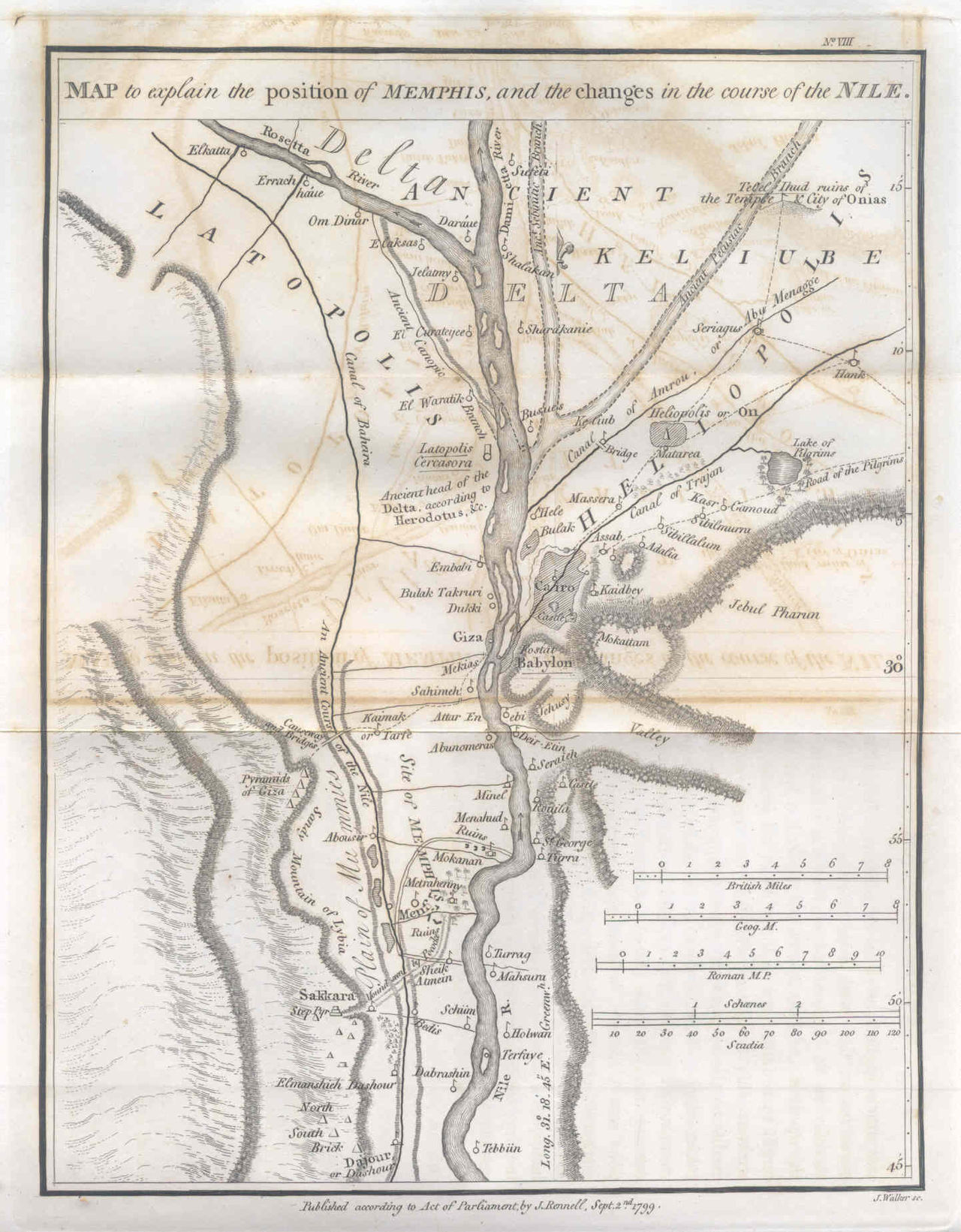
Heliopolis is the Greek name for one of ancient Egypt's oldest and most prominent cities; in Egyptian it was called Iunu or On. The Greeks translated the native meaning as "city of the sun," reflecting its role as the chief center for the sun cult. Ancient sources place the site to the east of the Nile and to the north of the apex of the river delta; for general reference see the Nile and the delta. Heliopolis served as a focal point for solar theology and ritual in pharaonic religion and is often associated with the worship of the sun god, especially Ra and related solar forms (sun-worship).
Image gallery
10 Images



Monuments and institutions
The city was dominated by a large temple complex dedicated to the sun god and related deities. Characteristic elements included a temple enclosure, an open sanctuary for sun rites, a sacred lake used in ritual purification, workshops and schools attached to the cult, and stone monuments such as obelisks. Several obelisks originally raised at Heliopolis survive elsewhere today after later removal and reuse. The site functioned both as a ritual center and as a place of learning for priests and astronomer-priests.
Religion and mythology
Heliopolis was the birthplace of what scholars call the Heliopolitan cosmogony. This theological system centered on a primary creator god (Atum in Egyptian tradition) and an associated group of deities who together shaped the Egyptian understanding of creation and kingship. The arrangement of gods and genealogies formed a distinctive local interpretation that influenced broader Egyptian myth: this Heliopolitan tradition supplied one of several competing creation accounts in ancient Egypt.
History and development
Archaeological and textual evidence indicates that Heliopolis was important from the Early Dynastic and Old Kingdom periods through much of pharaonic history. As the cult of the sun developed, the city's priests maintained ritual calendars, astronomical observations and theological texts that underpinned royal ideology. Over centuries the temple precinct was enlarged and rebuilt, while stonework and monuments were quarried and sometimes recycled by later builders.
Later fate and modern references
Heliopolis declined in late antiquity, and many of its monuments were dismantled or reused in other constructions. Fragments and scattered remains mark the ancient site near modern Cairo neighborhoods; the ancient city is not located in exactly the same place as the early 20th-century suburb that now bears the European name Heliopolis. See the modern suburb entry at modern Heliopolis and general context in Cairo. Ancient accounts and inscriptions also appear in compendia of Egyptian history (ancient sources).
Legacy and significance
- Heliopolis shaped major strands of Egyptian theology and royal ideology through its priesthood and cosmological myths.
- Its monuments—especially obelisks—bear witness to the city's architectural and symbolic importance and have been moved to distant cities over time.
- As both a ritual center and a school for learned priests, Heliopolis contributed to astronomy, calendrical knowledge, and religious literature in ancient Egypt.
Today Heliopolis is an archaeological and scholarly concept as much as a physical place: its name evokes a long history of sun-centered worship and intellectual activity in pharaonic civilization, even though only traces of its former grand architecture survive on the modern landscape.
Related articles
Author
AlegsaOnline.com Heliopolis (ancient Egyptian city) Leandro Alegsa
URL: https://en.alegsaonline.com/art/43363