
Hempstead County, Arkansas: overview, history, and notable facts
Hempstead County, in southwestern Arkansas, was founded in 1818. Its seat is Hope. The county has a largely rural economy, historic roots, and national recognition as the birthplace of President Bill Clinton.
Overview
Hempstead County is a rural county in the southwestern region of the state of Arkansas. As recorded by the 2010 census, the population was 22,609. The administrative center and largest community is the city of Hope, which also appears as a local hub of commerce, culture, and services. The county combines agricultural land, woodlands, and small towns linked by state and federal highways.
Image gallery
6 Images



History
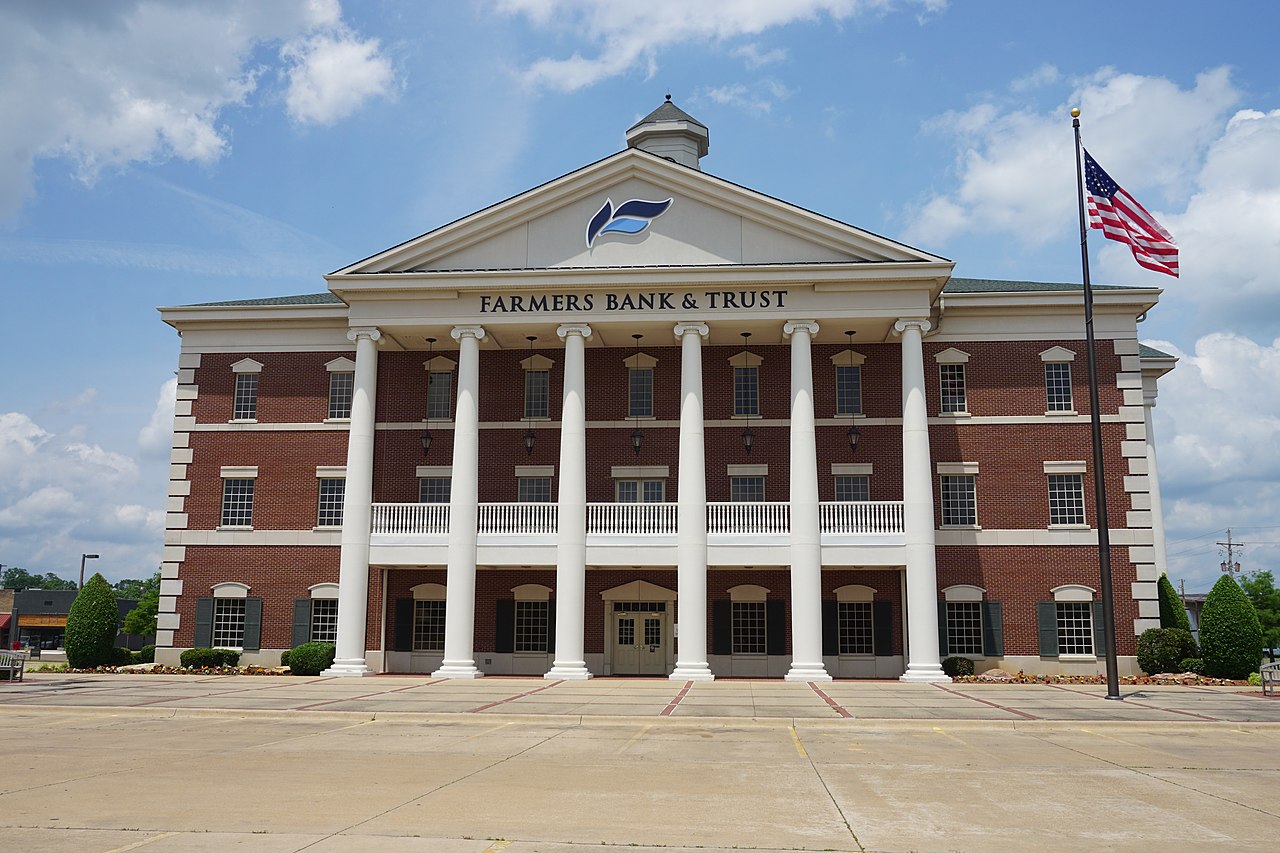
Hempstead County was established on December 15, 1818, making it one of the older civil divisions in the region. Its development followed patterns common to the American South: settlement for farming, the growth of small market towns, and gradual diversification of the local economy. Historic buildings, small-town main streets, and rural landscapes reflect more than two centuries of change.
Characteristics and economy
The county's economy has traditionally centered on agriculture and timber, with farms producing staple crops and supporting related industries. Over time, light manufacturing, retail, healthcare, and public services have become important employers. Transportation infrastructure—local highways and freight rail access—supports commerce and links residents to larger regional markets.
Government and demographics
Hempstead County is governed under Arkansas's county system, typically administered by an elected county judge and a quorum court or similar legislative body. Demographic trends mirror many rural counties: population concentration in a few towns, an aging population profile in some areas, and community efforts focused on economic development and public services.
Notable facts and culture
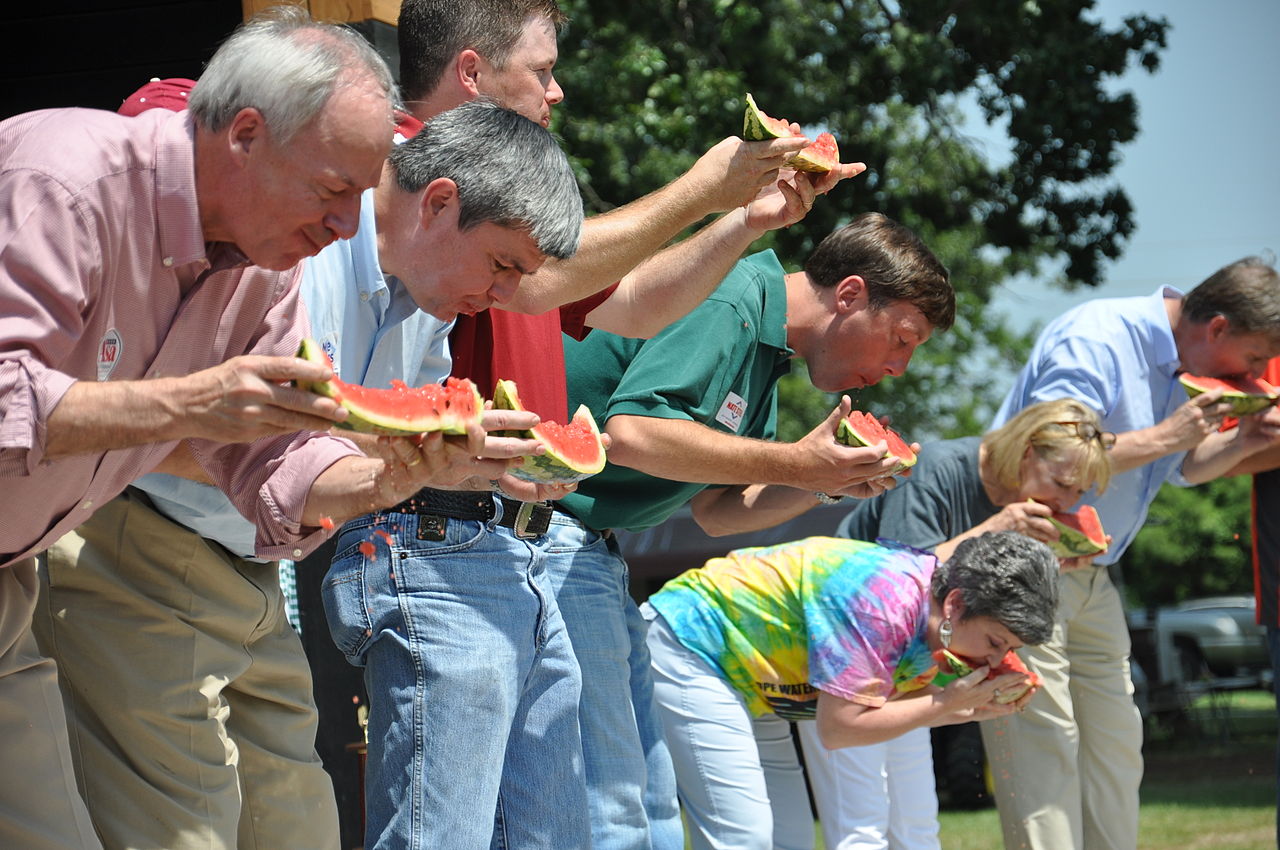
The city of Hope is nationally recognized as the birthplace of President Bill Clinton, which draws visitors and attention to the area. Local festivals, historical sites, and community organizations contribute to civic life. Visitors and residents value outdoor recreation, local history, and the small-town character that defines much of the county.
Practical information
- Major sectors: agriculture, timber, light industry, retail and services.
- Community focus: preserving historic resources while seeking economic opportunities.
- Access: served by state highways and regional transportation links.
For more statistical, historical, or administrative details consult county and state resources as well as demographic reports maintained by federal and state agencies.
Related articles
Author
AlegsaOnline.com Hempstead County, Arkansas: overview, history, and notable facts Leandro Alegsa
URL: https://en.alegsaonline.com/art/43470
Sources
- quickfacts.census.gov : "State & County QuickFacts"
- naco.org : "Find a County" · web.archive.org