
Helen Levitt: American Street Photographer of New York
Helen Levitt (1913–2009) was an American photographer known for candid street photography of New York City neighborhoods. Her empathetic images of everyday life influenced generations of documentary photographers.
Overview
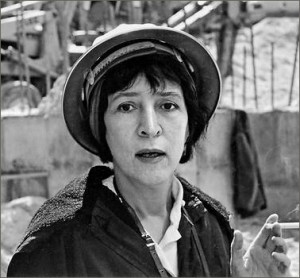
Helen Levitt (August 31, 1913 – March 29, 2009) was an American photographer celebrated for candid images of everyday life. Working mainly in New York's neighborhoods, she made a career of observing ordinary moments and turning them into quietly powerful compositions. Her work is associated with documentary photography and is often cited as a defining voice in street photography.
Image gallery
3 Images

Style and subjects
Levitt favored unposed scenes: children at play, chalk drawings on sidewalks, shopfronts, and fleeting interactions between strangers. She photographed in both black-and-white and color, using available light and framing that often emphasized human gestures and urban texture over posed portraiture. Her approach has been described as empathetic and observant rather than sensational.
Career and development
Born in Brooklyn, Levitt spent most of her life in New York City, where she worked from the 1930s onward. She expanded her practice into short films and collaborated with writers and filmmakers interested in everyday urban life. Over decades she produced books and exhibited widely, bringing attention to neighborhoods that were seldom the subject of fine-art photography.
Importance and influence
Levitt's work helped shape the vocabulary of modern street photography. By focusing on small, intimate episodes she influenced later photographers who sought spontaneity and humanism in public spaces. Major museums and public collections have acquired her photographs, and her images are frequently reproduced in surveys of 20th-century documentary photography.
Publications and recognition
Throughout her life Levitt published several monographs and participated in retrospectives that traced her evolving eye. Critics and curators have praised her compositional restraint and the narrative suggestion in individual frames. Her photographs serve as both social documents and examples of how formal qualities—light, line, and timing—contribute to meaning.
Legacy
Helen Levitt died in New York City at the age of 95. Her body of work remains a reference for photographers and historians interested in urban life, childhood, and the aesthetic potential of the everyday. For those seeking an introduction to her vision, collections of her prints and exhibition catalogues offer a clear view of how simple, attentive observation can become enduring art.
Related articles
Author
AlegsaOnline.com Helen Levitt: American Street Photographer of New York Leandro Alegsa
URL: https://en.alegsaonline.com/art/43323
Sources
- nytimes.com : "Helen Levitt Dies at 95"