
Helena Normanton: Pioneer of the English Bar (1882–1957)
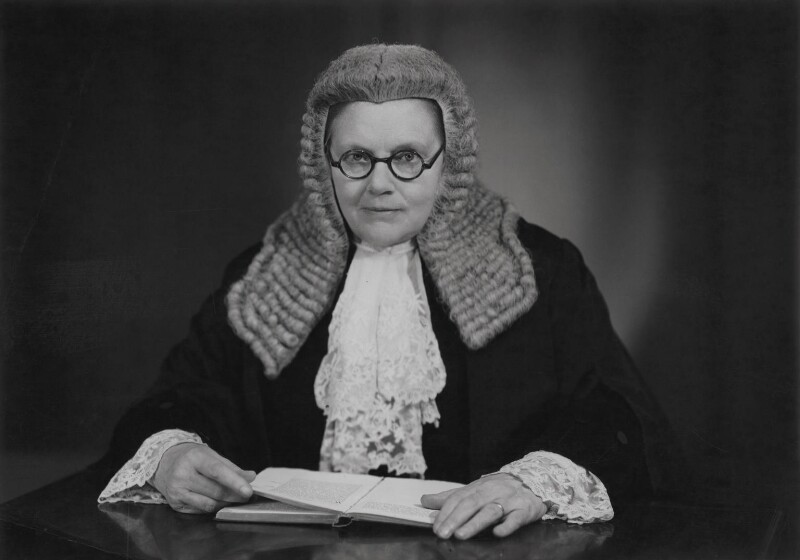
Helena Normanton (1882–1957) was a pioneering British lawyer who became the first woman to practise as a barrister in England and one of the earliest women to be appointed to the senior bar.
Overview
Helena Florence Normanton (14 December 1882 – 14 October 1957) was a British lawyer and campaigner whose career helped open the legal profession to women in England. After the Sex Disqualification (Removal) Act 1919 permitted women to enter the professions, Normanton became the first woman to practise as a barrister in England in 1922. Her career combined courtroom work with sustained public advocacy for legal and social reforms affecting women.
Image gallery
2 Images
Career and legal practice
Normanton trained for the bar at a time when the presence of women in law was a contested novelty. She established a practice that handled a variety of civil and criminal matters and was known for her determination in court and in public debate. In 1949 she "took silk"—that is, she was appointed to the senior rank of King’s Counsel—becoming among the earliest women to reach the senior ranks of the bar and serving as a visible example to later generations of women lawyers.
Campaigning and public life
Beyond litigation, Normanton was active in campaigns for women’s legal rights. She lobbied to remove formal barriers to professional admission, argued for broader participation of women in judicial and civic roles, and spoke widely to promote reforms that would make law more accessible to women and families. Her public profile helped normalize the idea of women as legal professionals.
Notable firsts and legacy
- First woman to practise as a barrister in England (after the 1919 Act).
- Among the first women to be appointed to the senior bar (took silk in 1949).
- Persistent advocate for legal reforms that expanded opportunities for women in law and public life.
Normanton’s life is often cited in histories of the British legal profession as a turning point: she helped transform a previously male-dominated field and inspired subsequent generations of women lawyers. For further reading and archival references, see additional resources on Helena Normanton.
Related articles
Author
AlegsaOnline.com Helena Normanton: Pioneer of the English Bar (1882–1957) Leandro Alegsa
URL: https://en.alegsaonline.com/art/43335