
Helena Blavatsky: Founder of Theosophy and Western Occult Revival
Russian-born occultist and co-founder of the Theosophical Society (1831–1891), author of Isis Unveiled and The Secret Doctrine; a controversial but influential figure in modern Western esotericism.
Overview
Helena Petrovna Blavatsky (1831–1891) was a Russian-born writer and esoteric thinker who played a central role in the late 19th-century revival of occult and mystical ideas in the West. She co-founded the Theosophical Society in 1875 and promoted a syncretic system of spiritual ideas that she described as a perennial or "ancient wisdom" tradition. Her major books, including Isis Unveiled and The Secret Doctrine, sought to combine comparative religion, esoteric philosophy, and metaphysical speculation.
Image gallery
10 Images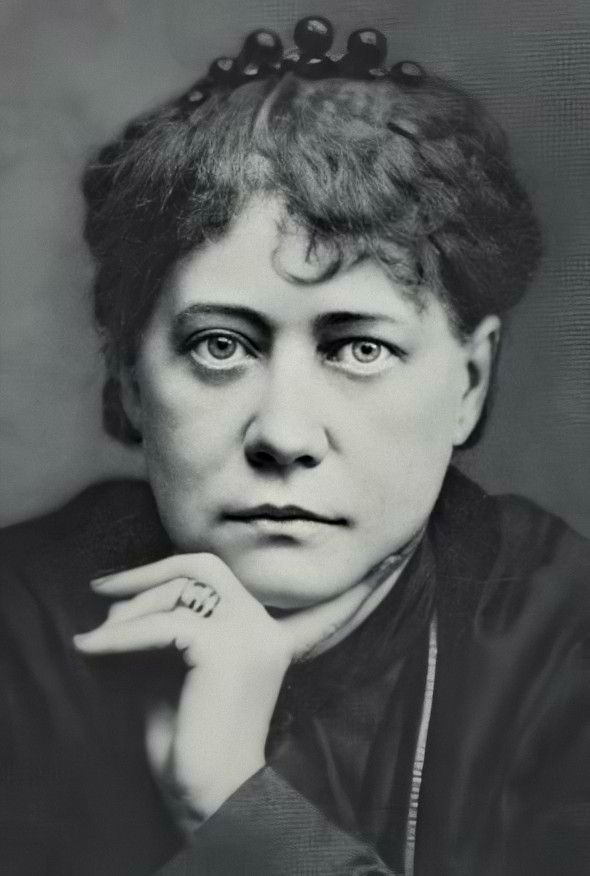


Early life and travels
Born into a noble family in the Russian Empire, Blavatsky left her native country as a young woman and later claimed extensive travels across Europe, the Americas, and Asia. At a young age she entered a short marriage to a Russian nobleman, which ended in separation; accounts of this period vary and she portrayed herself as restless and independently minded. Her biographical narrative emphasized journeys, study of non-Western traditions, and encounters with teachers she called "Masters".
Theosophical Society and major works
In 1875 Blavatsky and the American lawyer and journalist Henry Steel Olcott established the Theosophical Society in New York. The Society declared three objects: to form a universal brotherhood of humanity, to study comparative religion and science, and to investigate the latent spiritual powers in humans. Blavatsky's principal publications provided the doctrinal core of Theosophy:
- Isis Unveiled (1877) — an early critique of materialist science and a survey of esoteric traditions.
- The Secret Doctrine (1888) — a more systematic, encyclopedic work presenting her cosmology, anthropology, and reinterpretation of myth and scripture.
Teachings and characteristics
Blavatsky's teaching blended elements drawn from Hinduism, Buddhism, Neoplatonism, Kabbalah, Hermeticism, and occultist currents current in Europe. Central themes included a belief in a primordial wisdom underlying all authentic religions, the evolution of human consciousness through successive root races and cycles (a controversial concept), and the possibility of developing psychic or spiritual faculties. She emphasized ethical principles such as universal brotherhood and cross-cultural study.
Influence and legacy
Theosophy helped introduce Eastern religious concepts into Western thought and contributed to the development of modern Buddhist and Hindu reform movements as well as the later New Age movement. The Society influenced writers, artists, and spiritual leaders across Europe and North America and provided a forum for comparative religion and occult research. Figures such as Annie Besant and others extended Theosophical activity into India, where it interacted with social and religious reform.
Controversy and critical reception
Blavatsky's life and work were highly controversial. Contemporary critics and later researchers questioned some of her claims, investigated allegations of fraudulent phenomena associated with her circle, and debated the authenticity of the esoteric sources she cited. Despite criticism, scholars recognize her as a formative figure in the history of Western esotericism: polarizing, inventive, and instrumental in popularizing occult and Eastern spiritual ideas among English-speaking audiences.
For further reading on her life and the movement she helped start, see biographical summaries and studies of Theosophy. More detailed biographies and critical studies are available that examine both the writings and the controversies surrounding her career.
Related links: occultism and Theosophy overview, biographical notes and marriage, missionary claims and travels.
Related articles
Author
AlegsaOnline.com Helena Blavatsky: Founder of Theosophy and Western Occult Revival Leandro Alegsa
URL: https://en.alegsaonline.com/art/43333
Sources
- content.ancestry.com : 1891 England Census