
Ankh — Ancient Egyptian symbol of life
The ankh is an ancient Egyptian hieroglyph and amulet shaped like a looped cross that represents life, vitality, and divine protection. It appears widely in Egyptian art, religion, and later cultural use.
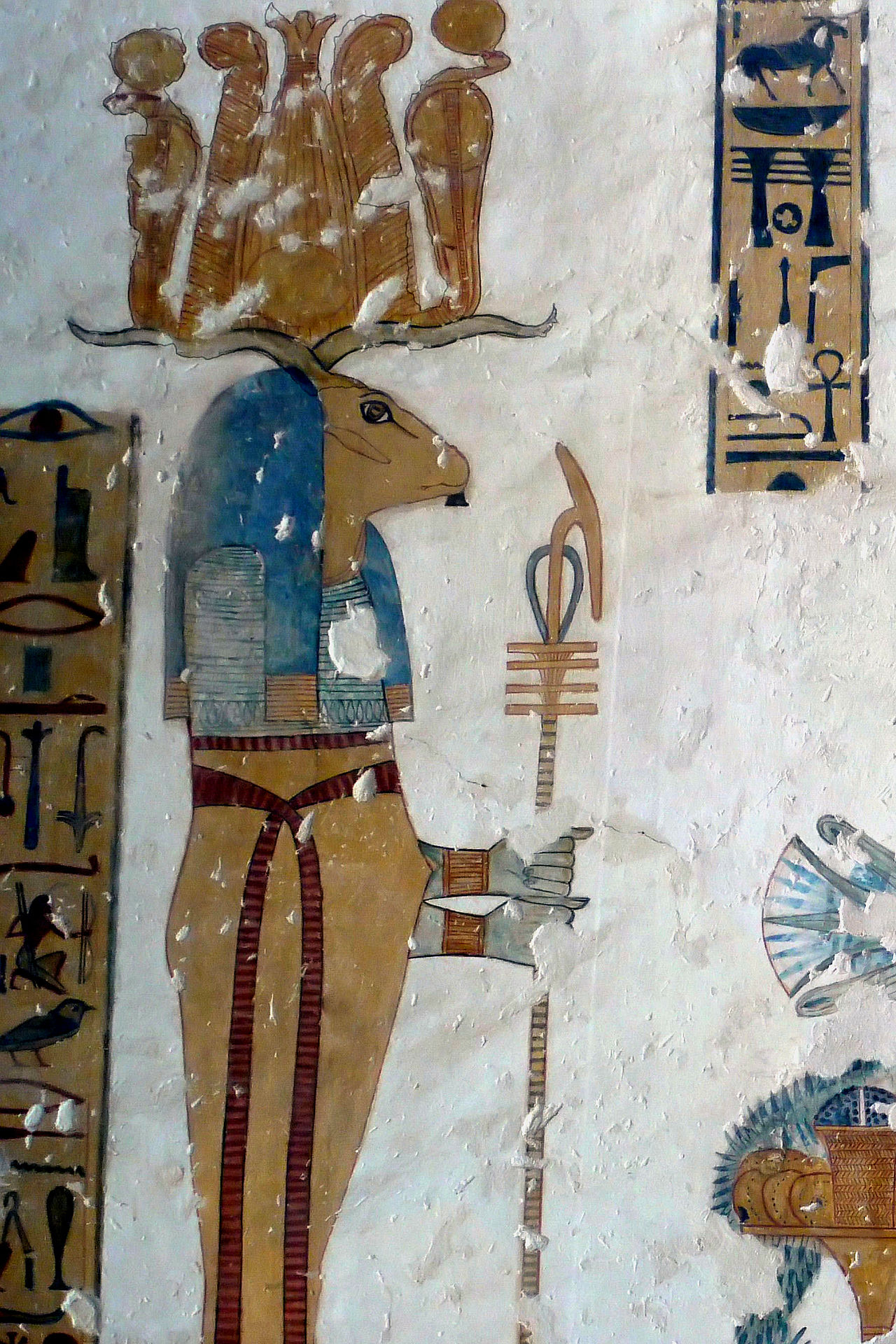
The ankh is the distinctive looped-cross symbol most closely associated with ancient Egyptian conceptions of life and vitality. Written in Egyptian as ʿnḫ and transliterated as "ankh," it functions as a hieroglyph meaning "life" and appears throughout temple reliefs, tomb paintings, and portable amulets. Deities and pharaohs are commonly shown holding or exchanging the ankh, often in gestures that signify giving or receiving life.
Image gallery
10 Images




Form and characteristics
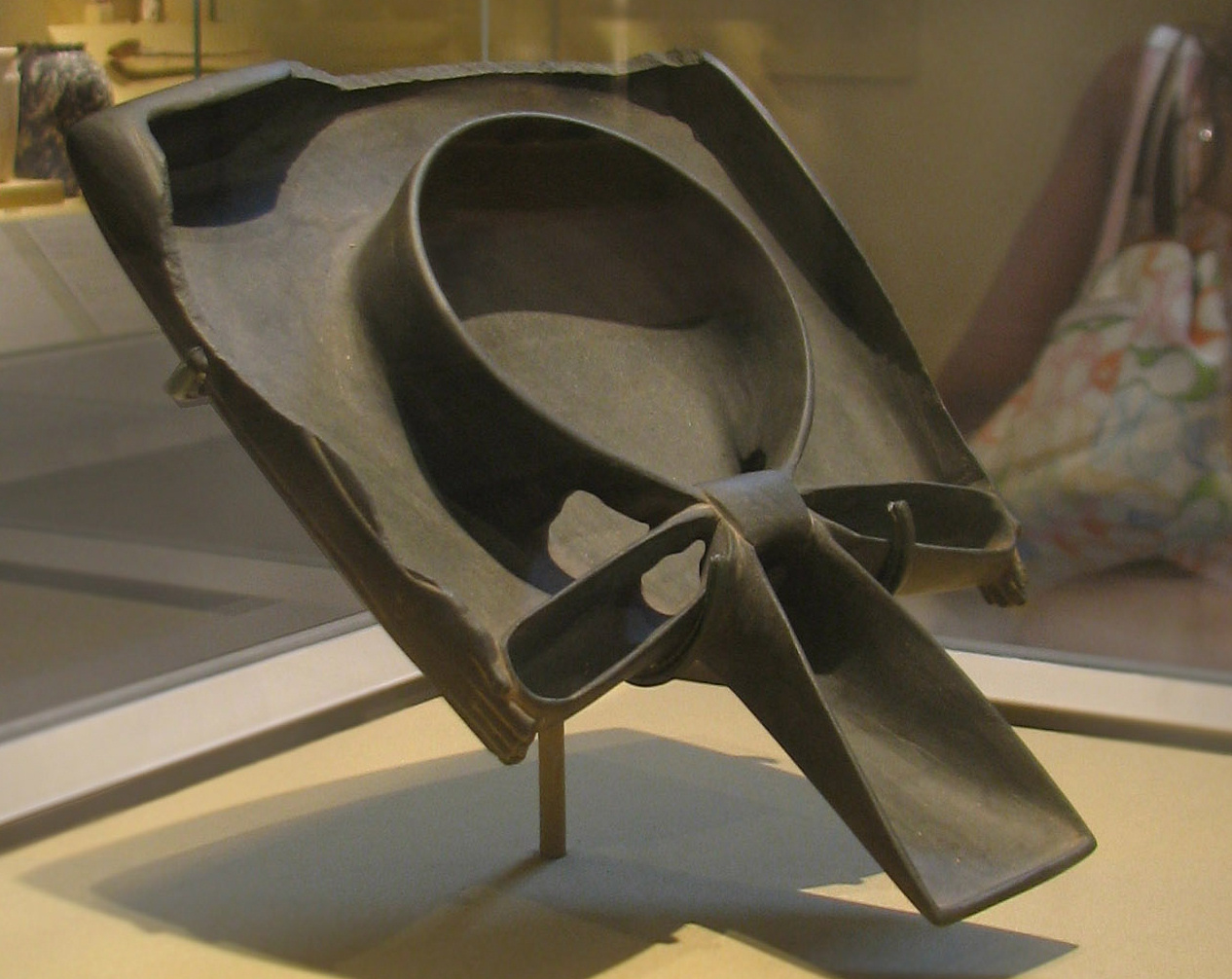
- Shape: a loop or handle (the "key") above a vertical shaft and crossbar, visually distinct from other cross forms.
- Materials: made in stone, metal, faience and wood; sizes range from small jewelry to large carved motifs on monument walls.
- Function in writing: used as a hieroglyph to convey the noun "life" and as an ideological sign in religious contexts.
Iconographically, the ankh may appear alone, held by gods, or paired with other symbols such as the djed (stability) and the was (power). A familiar motif shows a god holding an ankh to the nostrils or mouth of a ruler, interpreted as the granting of life or breath.
History and development
The ankh appears early in Egypt’s artistic record and remains a continuous emblem through Old, Middle and New Kingdom art into the later periods. Exact origins and original meaning are debated among scholars; some view it as an abstract sign for life, others propose links to stylized objects or symbolic unions. During the Roman and Coptic eras it was adapted and described in Latin as crux ansata, literally a "cross with a handle."
Although sometimes called the "Egyptian cross," the ankh predates Christian symbolism and served a different set of religious ideas and rituals. Coptic Christians later used similar shapes in their iconography, which contributed to the symbol’s survival into the medieval Mediterranean.
Uses and cultural importance
In antiquity the ankh functioned as an amulet for protection and well-being, a funerary emblem promising continued life after death, and a visual shorthand for divine favor. Today the ankh is widely recognized beyond Egypt: it appears in jewelry, art, and popular culture as a sign of life, spiritual rebirth, and cultural identity. For further general reference see the term Egyptian Cross.
Notable distinctions include its dual role as both written sign and religious icon, and its long continuity from pharaonic religion into later Christian contexts. The ankh’s clear silhouette and layered meanings help explain why it remains one of the most enduring and instantly recognizable emblems of ancient Egypt.
Related articles
Author
AlegsaOnline.com Ankh — Ancient Egyptian symbol of life Leandro Alegsa
URL: https://en.alegsaonline.com/art/4322