
Antiquarian: study and practice of ancient objects and the material past
An antiquarian studies tangible remains of the past—artifacts, monuments, manuscripts—and the methods and traditions that shaped collecting, preservation, and early historical inquiry.
An antiquarian (sometimes antiquary) is someone who concentrates on the physical traces of earlier ages: objects, buildings, inscriptions and written records. The word derives from a Latin root associated with the ancient world, and in older usage often implied a learned student or collector of relics. Antiquarians emphasize close attention to material evidence and descriptive documentation over broad theoretical synthesis.
In practice antiquarian work means careful study of artefacts and sources to establish provenance, date and context. Such work intersects with fields like epigraphy, numismatics, palaeography and architectural survey. Antiquaries typically compile inventories, transcribe inscriptions, measure monuments and conserve manuscripts, producing the empirical records later scholars use to interpret the past. The term is sometimes applied to enthusiastic collectors as well as to professional researchers.
Image gallery
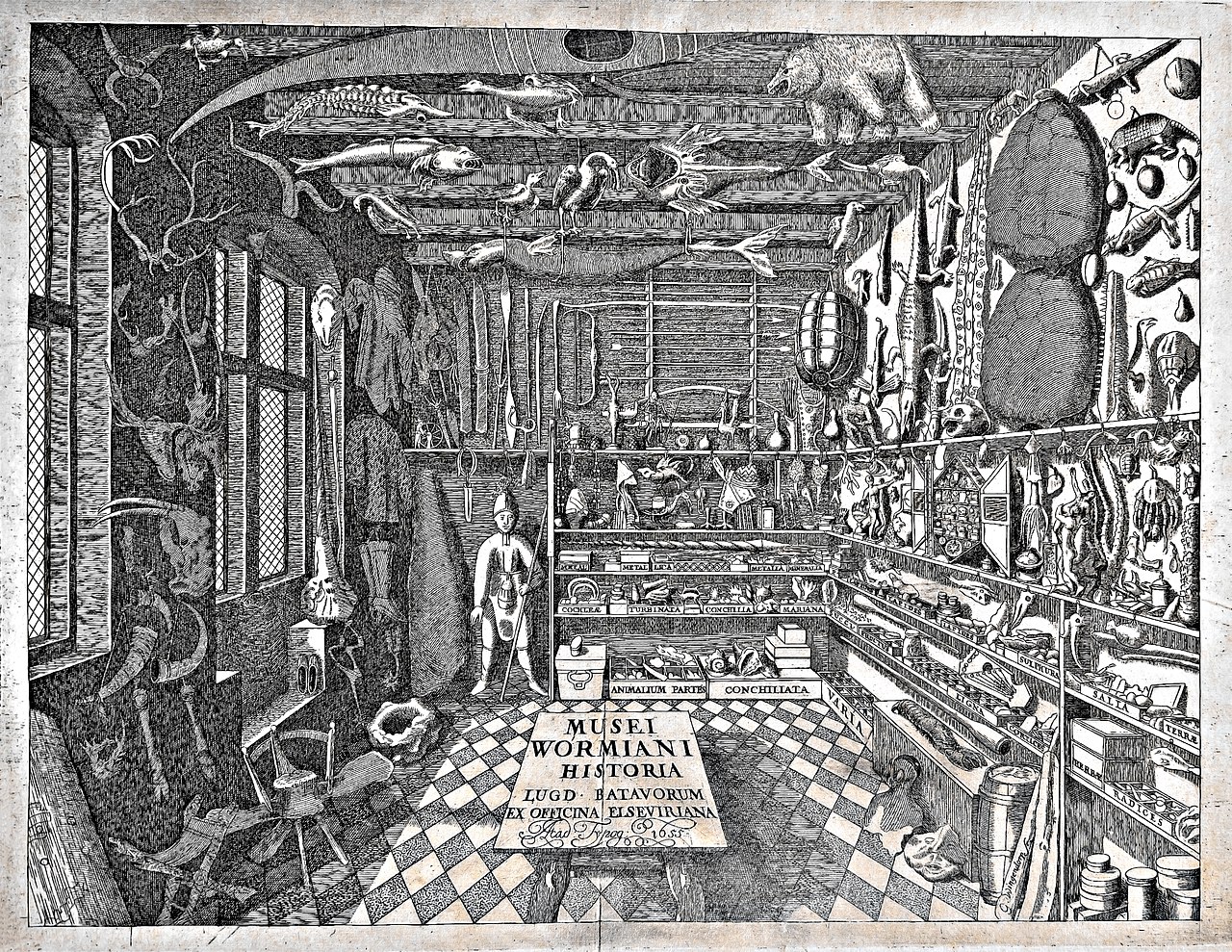
9 Images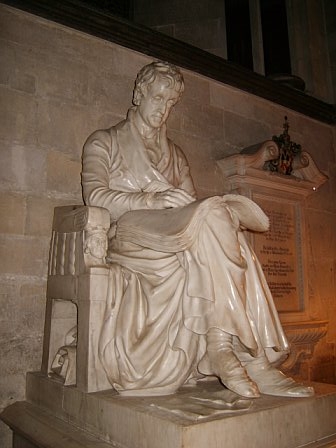


History and development
Antiquarianism developed in the Renaissance and matured through the early modern period as Europe’s educated classes sought to recover and classify relics of earlier societies. Local and national antiquarian societies grew, promoting exchange of observations and preservation of sites. Well known early antiquaries combined fieldwork, drawing and careful note-taking; their publications laid the groundwork for organized archaeology and modern historical methods. The motto attributed to Sir Richard Colt Hoare — "We speak from facts not theory" — captures the movement’s empirical focus.
Practices and specialties
- Recording and publication of inscriptions, monuments and history-related objects.
- Surveying and documenting sites and standing architecture.
- Curation and cataloguing of archives and institutional collections.
- Transcription, conservation and study of manuscripts.
Antiquarian methods were long criticized for being largely descriptive and lacking interpretive frameworks, but their records preserved evidence later analyzed with systematic archaeological and historiographical techniques. In the nineteenth century, archaeology and history professionalized, absorbing many antiquarian practices while adding stratigraphic, scientific and theoretical approaches.
Today "antiquarian" can be used both historically and descriptively: it names an aspect of scholarly tradition and a continuing set of activities in museums, archives and local history projects. Antiquaries’ meticulous documentation remains a valuable resource for conservation, provenance research and the reconstruction of past lifeways.
Questions and answers
Q: What is an antiquarian?
A: An antiquarian is a student of antiquities or things of the past.
Q: What do antiquarians study?
A: Antiquarians study history with particular attention to ancient artifacts. This includes archaeological and historic sites, or historic archives and manuscripts.
Q: What does the term antiquarius mean?
A: The term antiquarius means related to ancient times.
Q: What is the essence of antiquarianism?
A: The essence of antiquarianism is a focus on the empirical evidence of the past, as opposed to theory.
Q: Who was Sir Richard Colt Hoare and what was his motto?
A: Sir Richard Colt Hoare was an 18th-century antiquary. His motto was "We speak from facts not theory".
Q: Are antiquarians interested in ancient artifacts only?
A: Yes, antiquarians are particularly interested in ancient artifacts and study them in detail, along with history and archives.
Q: What does the term "antiquity" mean?
A: The term "antiquity" refers to ancient times or the people and events of ancient times.
Related articles
Author
AlegsaOnline.com Antiquarian: study and practice of ancient objects and the material past Leandro Alegsa
URL: https://en.alegsaonline.com/art/4686
Sources
- dictionary.cambridge.org : English definition of “antiquarian”
- commons.wikimedia.org : Antiquarian
- simple.wiktionary.org : antiquarian