
Hearse: vehicle for transporting the deceased — design, history and uses
A hearse is a vehicle used to carry a coffin and the deceased to funerals and burial sites. This article describes its design, history, cultural roles, variants and notable features.
A hearse is a vehicle purpose-built or adapted to carry a deceased person in a coffin or casket from a funeral home to a church, memorial service, crematorium or cemetery. Modern hearses are usually motor vehicles with an extended rear compartment; traditional forms included horse-drawn carriages. Drivers are typically funeral company staff such as a mortician or a trained chauffeur.
Image gallery
10 Images

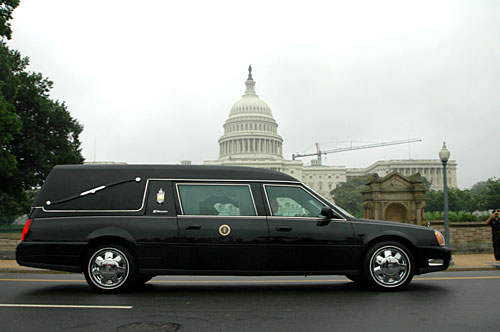


Design and typical features
Hearsescirculate in a range of sizes but share common features: a long wheelbase, raised roof, large rear opening, interior rollers or platforms to secure a casket, and discreet interior lighting. Exterior finishes are often sober—many are black or gray—but color and ornamentation vary by culture and client preference. Some hearses include glass-sided bodies for visibility, hydraulic lifts, climate control for the rear compartment, and custom trim for ceremonial presentation.
History and development
Specialized vehicles for carrying the dead developed as funeral practices formalized. In the 18th and 19th centuries horse-drawn hearses and ornate funeral carriages were common in Europe and North America. The 20th century brought motorized hearses built on limousine or van chassis. Throughout their history, hearses have balanced dignity, practicality and local customs.
Uses, variants and cultural notes
Beyond standard automotive hearses, there are many variants: motorcycle hearses, van-style or coach-style models, motorcycle sidecar conversions, and ceremonial horse-drawn coaches used for state funerals or heritage services. Some communities prefer white or brightly colored vehicles for particular rites. Regulations about vehicle appearance and procession procedures vary by jurisdiction.
Notable distinctions and practical considerations
- Function over fashion: the basic role is safe, respectful transport of the casket and sometimes flowers or personal effects.
- Cultural variation: appearance, procession customs and who drives the vehicle differ worldwide.
- Commercial context: funeral homes typically supply the hearse as part of a funeral package; specialized coachbuilders manufacture custom bodies on commercial chassis.
Hearsescarry both practical and symbolic weight in funeral ritual: they are designed to protect and present the deceased while supporting the logistical needs of a funeral procession. For further reading on funeral vehicles and practices see resources from funeral industry associations or local historical collections (source, coffin design, cemetery practices, traditional colors, modern finishes, mortuary professions).
Related articles
Author
AlegsaOnline.com Hearse: vehicle for transporting the deceased — design, history and uses Leandro Alegsa
URL: https://en.alegsaonline.com/art/43073