
Heliport — facility for helicopter operations
A heliport is a dedicated facility for helicopter arrivals, departures, and servicing. It includes one or more helipads plus support infrastructure and is used by emergency, commercial, military and private operators.
A heliport is a small airport-like facility specifically designed for helicopters and other rotary-wing aircraft. Unlike a single helipad, which is a single touchdown surface, a heliport typically comprises one or more helipads together with supporting infrastructure such as passenger areas, refueling, lighting and hangars. Heliports serve a wide range of users from emergency medical services and law enforcement to corporate, tourism and military operations. For general context see airport and rotary-wing aircraft information such as helicopters.
Image gallery
6 Images

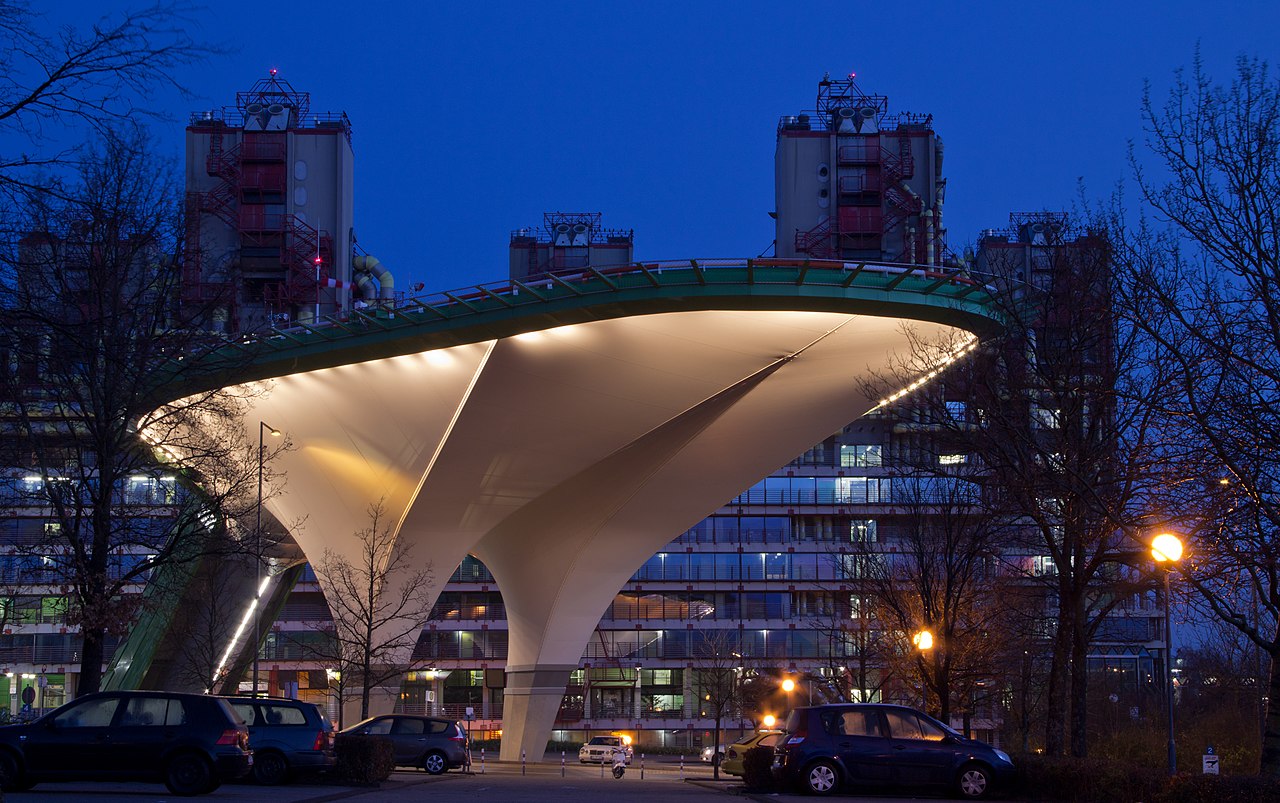


Characteristics and components
Common elements of a heliport include:
- Helipads: the marked surfaces where helicopters land and take off; a single complex may include several. See also helipads.
- Approach and safety areas: clear zones for safe arrival and departure, and space to avoid obstacles.
- Lighting and visual aids: floodlights, approach lights and windsocks for night or low-visibility operations.
- Support facilities: fuel storage, vehicle parking, passenger waiting rooms, hangars and basic maintenance equipment.
- Regulatory features: markings, signage and, where required, customs or immigration processing for international transfers.
Types and typical locations
Heliports are found in many settings: urban rooftop heliports on hospitals and office towers, ground-level municipal or private heliports, offshore platforms serving oil and wind installations, and military compounds. Many larger heliports near cities offer formal services such as customs and passenger handling for cross-border flights; travelers can encounter those arrangements when using facilities with international clearance like customs.
History, development and regulation
Early advocates of helicopters expected dense networks of urban heliports, but widespread adoption in city centers was limited by noise, safety concerns and land-use conflicts. Regulations and design standards from aviation authorities define required safety areas, markings and operational procedures. Contemporary planning balances demand for rapid point-to-point transport with community impacts, and standards evolve as technology changes.
Uses, advantages and challenges
Heliports enable rapid medical evacuation, search and rescue, law enforcement missions, executive travel and access to remote or offshore sites. Advantages include flexibility of location and minimal runway infrastructure. Challenges include helicopter noise and vibration, safety around built-up areas, and restricted operating hours in many urban locations. Because of these concerns, heliports in dense metropolitan settings remain less common than once expected; community and environmental considerations influence where they are permitted and how they operate in urban areas.
Looking ahead, emerging electric vertical takeoff and landing (eVTOL) vehicles and so-called "vertiports" build on the heliport concept but may require different charging, noise and traffic-management approaches. Whether by traditional helicopters or new eVTOL craft, heliports continue to play a focused role in connecting locations that are impractical for conventional airports.
Questions and answers
Q: What is a heliport?
A: A heliport is a small airport exclusively used by helicopters.
Q: What facilities are usually available at a heliport?
A: Heliports usually have one or more helipads and may have limited facilities such as fuel, lighting, a windsock, and even hangars.
Q: What amenities may be accessible at heliports located in larger towns and cities?
A: In larger towns and cities, customs facilities may be available at a heliport.
Q: Were heliports anticipated to be popular among people?
A: Yes, the early supporters of helicopters hoped that heliports would become popular.
Q: What is the cause of heliports being unpopular in urban areas?
A: Heliports have not become popular in urban areas because of the unpleasant noise caused by helicopter traffic.
Q: How is helicopter traffic affecting the popularity of heliports in urban areas?
A: Due to the unpleasant noise caused by helicopter traffic, people are not favorably disposed toward heliports in urban areas.
Q: Why have heliports not gained popularity in urban areas?
A: People are not fond of the unpleasant noise caused by helicopter traffic, so the demand for heliports in urban areas has remained limited.
Related articles
Author
AlegsaOnline.com Heliport — facility for helicopter operations Leandro Alegsa
URL: https://en.alegsaonline.com/art/43367