
Funeral director (mortician, undertaker): role, duties and history
A funeral director organizes disposition of the dead and funeral services, supervising embalming, burial or cremation, legal paperwork, and arrangements sensitive to cultural and religious needs.
Overview
A funeral director, also known as a mortician or undertaker, is a professional who coordinates the care, preparation and disposition of deceased persons and arranges public or private services to honor them. Their work connects practical tasks—such as preparing a body or organizing transportation—with interpersonal duties like explaining options to grieving families. The role varies by jurisdiction and culture but commonly includes oversight of funeral planning, final disposition, and compliance with legal requirements.
Image gallery
5 Images



Main duties and services
Typical services provided by a funeral director include a mix of technical, administrative and ceremonial tasks. Common responsibilities are:
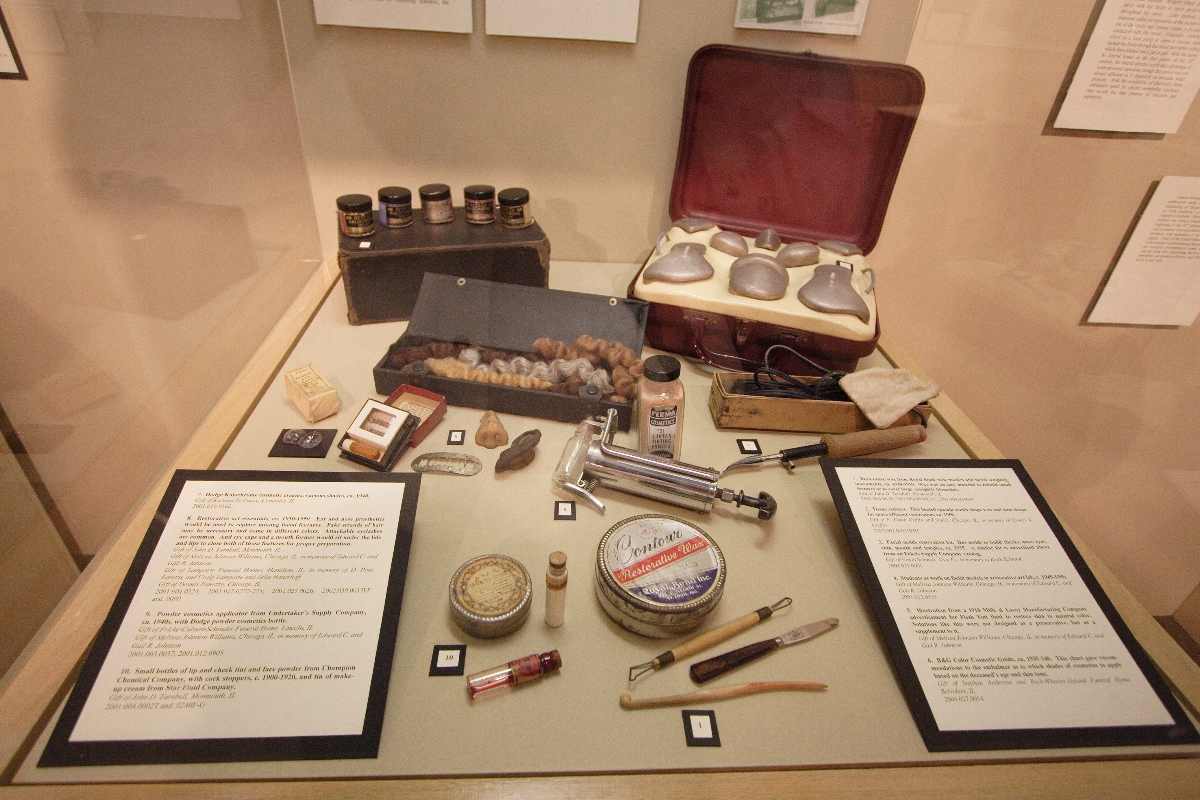
- Care and preparation of the body, which may involve embalming, restoration, dressing, and cosmetology to present the deceased to family and friends.
- Arranging disposition by burial or cremation, coordinating with cemeteries, crematoria, and transportation services.
- Selecting and providing containers such as a coffin or casket, and organizing viewings, vigils, memorials, or graveside rites.
- Handling paperwork: death certificates, permits, and coordination with medical examiners, insurers, or veterans' offices.
Training, regulation and workplace
Education and licensing requirements differ by country and state. Many funeral directors complete formal training in mortuary science, apprenticeships, or vocational programs and must meet health and safety standards for handling human remains. They commonly work in funeral homes, crematoriums, hospitals, or for governmental agencies and may employ or work alongside embalmers, grief counselors, and administrative staff.
History and cultural variation
The profession has ancient roots in practices surrounding care for the dead, though modern funeral directing emerged in the 19th and early 20th centuries as embalming and commercial funeral homes became widespread. Practices reflect religious and cultural norms: some traditions emphasize viewing and elaborate ceremonies, while others prefer immediate burial, cremation, or specific rites. Funeral directors must be sensitive to these differences and adapt services accordingly.
Modern trends and notable distinctions
Contemporary changes include rising preference for cremation, growth in direct or low-cost services, and increasing demand for environmentally friendly "green" burials and personalized memorials. Technological additions such as livestreamed services are now common. A useful distinction: an embalmer specializes in body preparation, while a funeral director manages the broader arrangement and regulatory aspects. Many directors also provide grief support resources and community guidance during a difficult time.
Importance and examples
Funeral directors play a practical and social role by ensuring dignified treatment of the deceased, helping families navigate legal and logistical matters, and shaping how communities remember individuals. Their services range from arranging a simple graveside farewell to organizing multi-faith ceremonies and memorial events that reflect the life and wishes of the departed.
Author
AlegsaOnline.com Funeral director (mortician, undertaker): role, duties and history Leandro Alegsa
URL: https://en.alegsaonline.com/art/37035