
Hautes-Alpes — department in Provence‑Alpes‑Côte d'Azur, France
Hautes-Alpes is a mountainous department in southeastern France, known for high Alpine peaks, national parks, winter sports and historic towns such as Gap and Briançon. It lies within Provence‑Alpes‑Côte d'Azur.
Overview
Hautes-Alpes is a department in southeastern France situated in the higher reaches of the Alps. Its French name literally means "High Alps"; the territory is strongly shaped by mountain landscapes, alpine climate and sparse population outside the main valleys. The traditional Occitan name is referenced as Auts Aups, and official descriptions classify it as a department within the administrative Provence‑Alpes‑Côte d'Azur region.
Image gallery
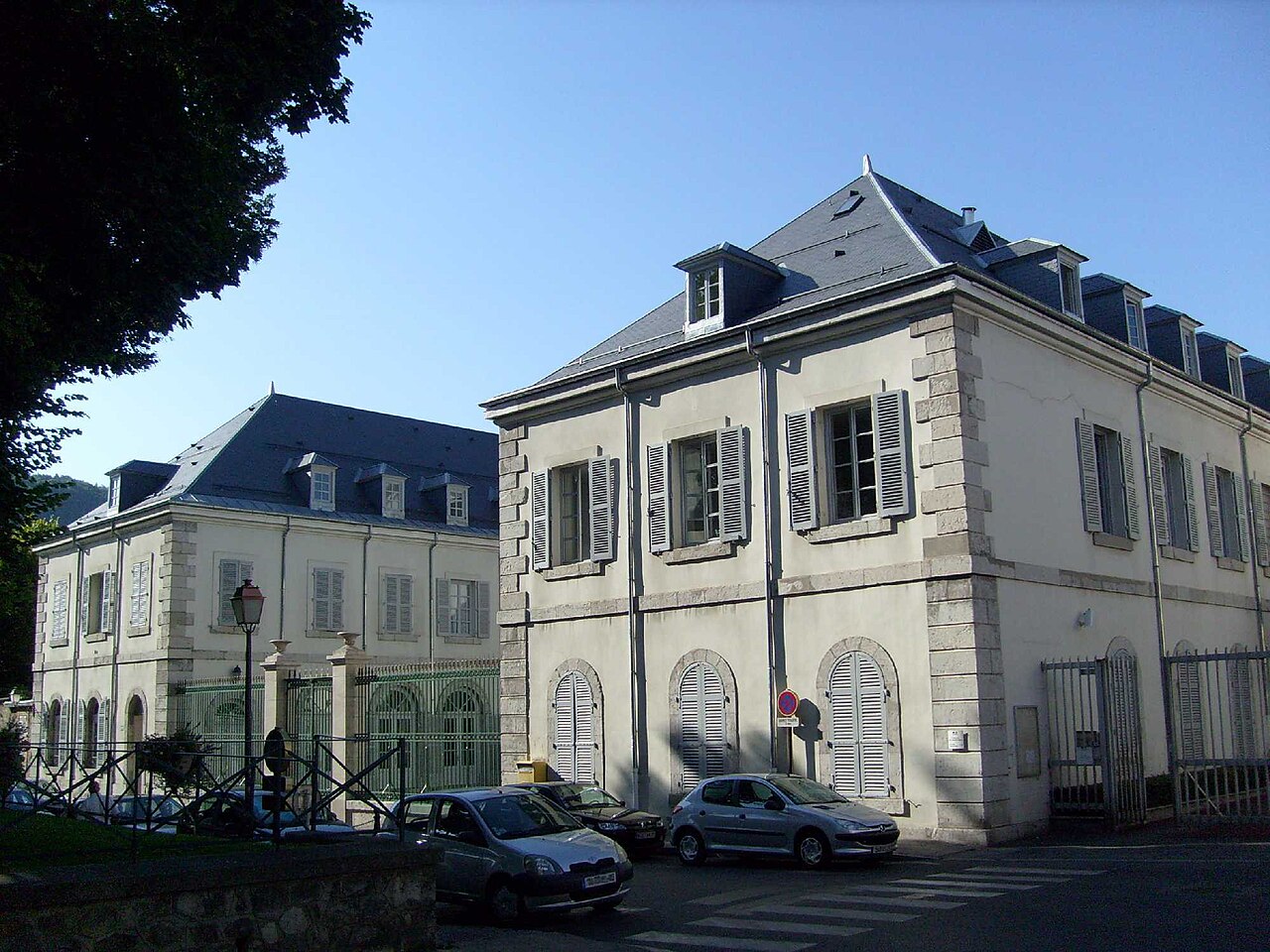
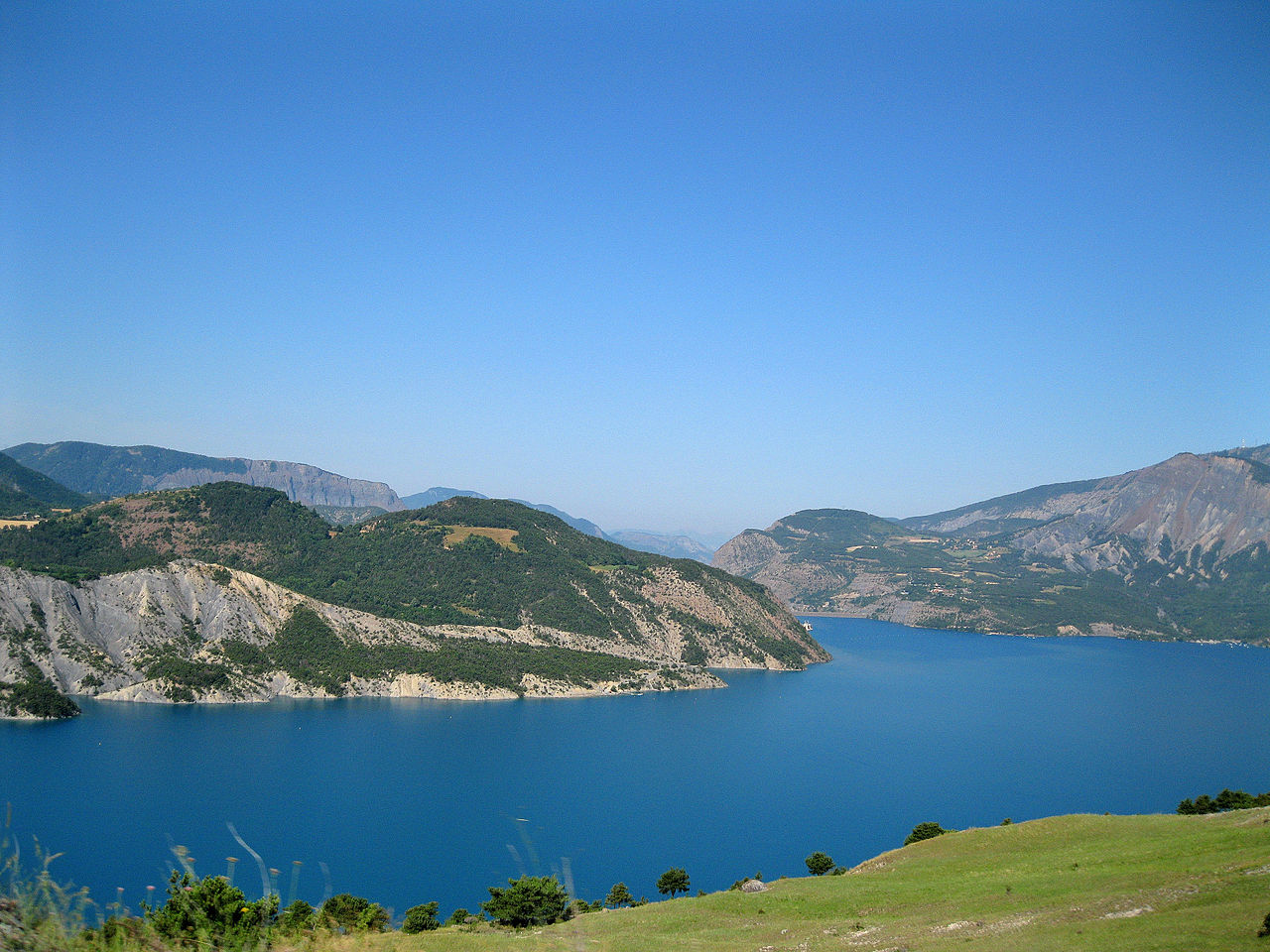
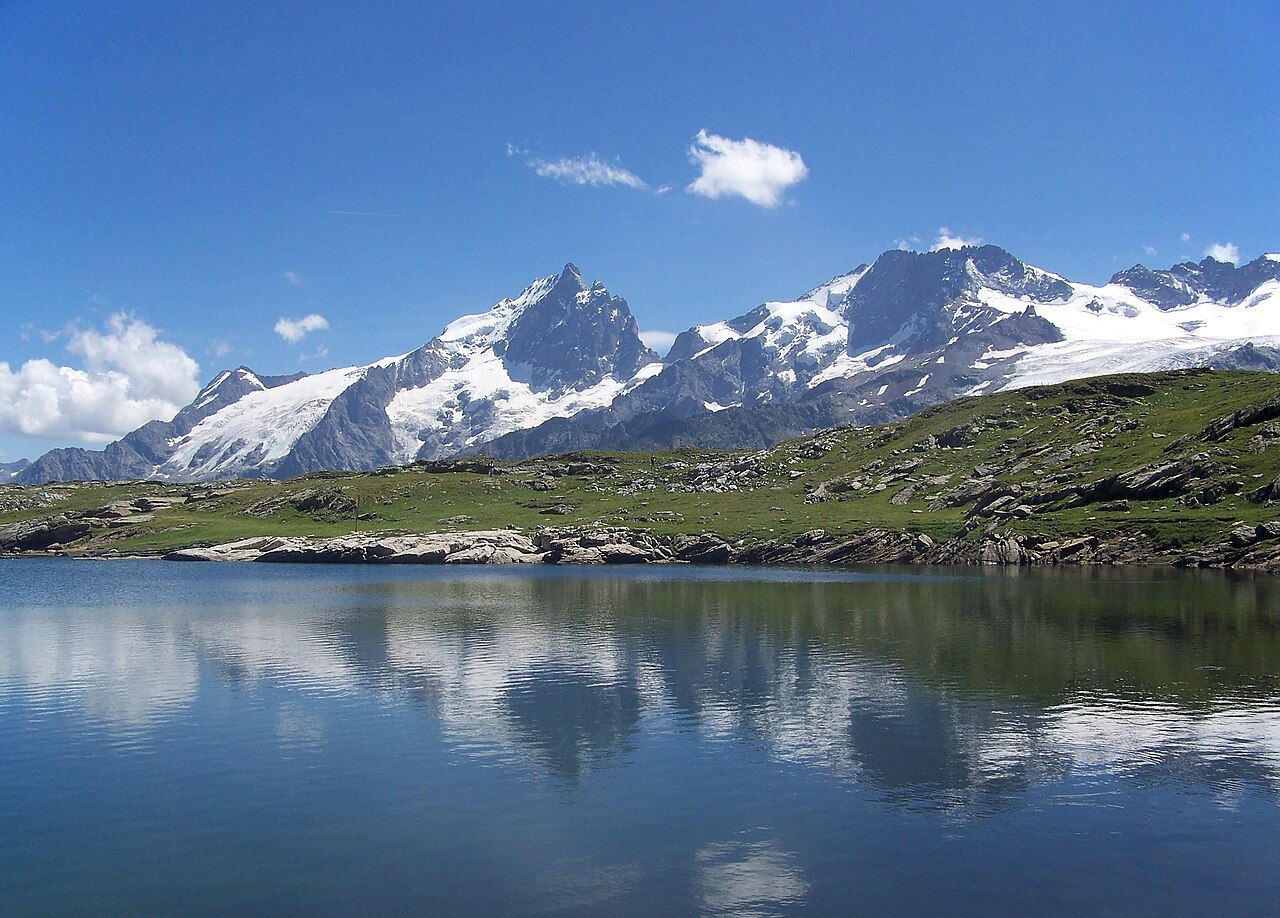
10 Images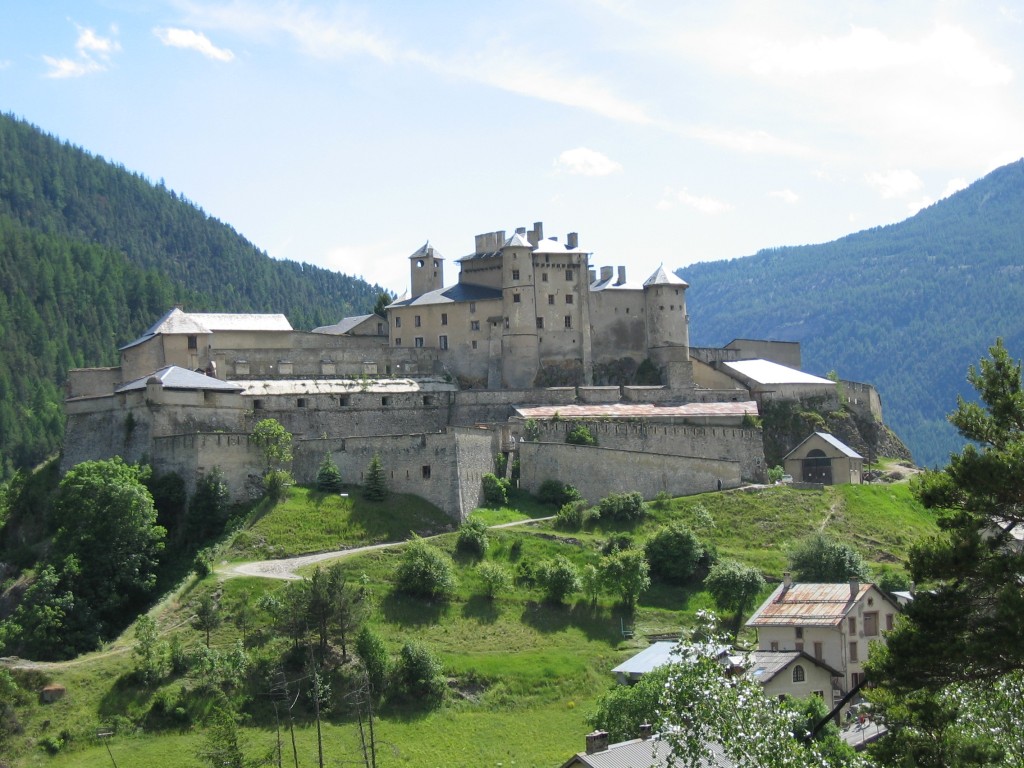


Geography and natural features
Topographically the department contains high peaks, deep valleys and important freshwater resources. It includes parts of the Écrins massif and other alpine ranges that form part of the broader Alps. Much of the landscape is protected in national and regional parks and supports a mix of coniferous forests, alpine pastures and glaciers at the highest elevations.
History and development
The area has a long human history shaped by transalpine routes, pastoral farming and local trades. Mountain passes and fortified towns developed for defence and commerce; some historic fortifications in the department are well known. Over the 19th and 20th centuries, improving roads and the rise of mountain tourism changed the local economy, bringing seasonal visitors for snow and summer recreation.
Economy, tourism and uses
Tourism—especially skiing, snowboarding, hiking and mountaineering—is a major economic driver. The department contains ski resorts, alpine huts and trails used year-round for outdoor recreation. Hydropower, mountain agriculture (including livestock grazing) and small‑scale local industry also contribute to livelihoods. Gap serves as the administrative centre or prefecture, while other towns act as gateways for recreation and services.
Major towns and cultural notes
- Gap — the administrative capital and a regional service hub.
- Briançon — a fortified town known for historic ramparts and mountain access.
Local culture reflects alpine traditions, with music, crafts and cuisine adapted to mountain life. Occitan dialects and regional identities remain part of the cultural fabric, and many communities celebrate seasonal festivals tied to farming and mountain heritage.
Notable facts and distinctions
Hautes-Alpes is distinguished by its high elevation relative to many other French departments and by a landscape that prioritizes conservation and outdoor activities. It is home to well‑known protected areas, mountain summits and a concentration of alpine infrastructure. For practical information and further detail consult regional guides or dedicated resources such as the departmental and park sites indicated here: Alpine information, planning and visitor resources.
Questions and answers
Q: Where is Hautes-Alpes situated in France?
A: Hautes-Alpes is located in southeastern France, in the Provence-Alpes-Côte d'Azur region.
Q: What is the meaning of Hautes-Alpes in Occitan language?
A: In Occitan language, Hautes-Alpes means high Alps or upper Alps.
Q: Why is Hautes-Alpes named after the Alps mountain range?
A: Hautes-Alpes is named after the Alps mountain range because it is situated in the mountain range.
Q: Which city is the prefecture or capital of Hautes-Alpes?
A: The capital of Hautes-Alpes is Gap.
Q: In which region of France is Hautes-Alpes located?
A: Hautes-Alpes is situated in the Provence-Alpes-Côte d'Azur region of France.
Q: What is the significance of the Alps mountain range to Hautes-Alpes?
A: The Alps mountain range has a significant role in Hautes-Alpes as it provides a stunning natural setting that contributes to the tourism industry.
Q: What is the official language of Hautes-Alpes?
A: The official language of Hautes-Alpes is French.
Related articles
Author
AlegsaOnline.com Hautes-Alpes — department in Provence‑Alpes‑Côte d'Azur, France Leandro Alegsa
URL: https://en.alegsaonline.com/art/42867
Sources
- hautes-alpes.fr : "Jean-Marie BERNARD"
- insee.fr : "Département des Alpes-de-Hautes-Alpes (05) - Résumé statistique"
- insee.fr : "Populations légales 2014 des départements et des collectivités d'outre-mer"
- splaf.free.fr : "Historique des Hautes-Alpes"
- peakbagger.com : "Barre des Écrins, France"
- weatherbase.com : "Embrun, France - Köppen Climate Classification"
- insee.fr : "Département des Hautes-Alpes (05)"
- insee.fr : "Régions, départements, arrondissements, cantons et communes"
- insee.fr : "Département des Alpes-de-Haute-Provence (04)"
- legifrance.gouv.fr : "Décret n° 2014-193 du 20 février 2014 portant délimitation des cantons dans le département des Hautes-Alpes"
- habitants.fr : "Habitants du départment: Hautes-Alpes (05)"