
Havelland (district) — region of the Havel river in Brandenburg, Germany
Havelland is a rural district in the state of Brandenburg, named for the Havel river. It features river floodplains, agricultural land, small towns and cultural ties to German literature and nature conservation.
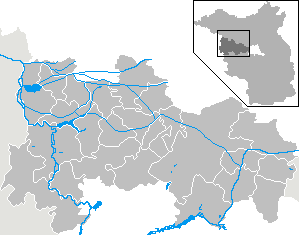
Havelland is a rural district located in the western part of the state of Brandenburg in Germany. The name refers to the Havel river, which shapes the district’s landscape of meanders, wetlands and lakes. The area combines agricultural plains and small urban centres with open countryside that lies within the wider Berlin metropolitan region.
Image gallery
3 Images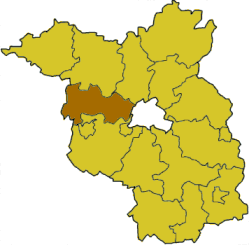
Geography and landscape
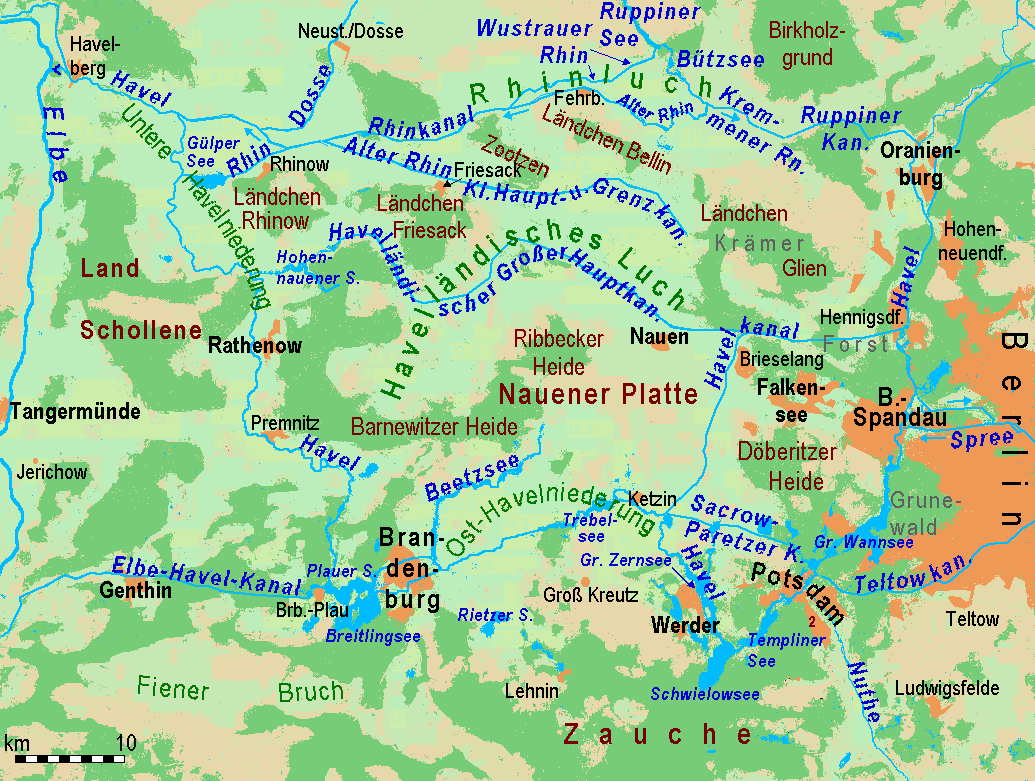
The district’s terrain is dominated by the Havel and its floodplains, interspersed with lakes, oxbows and low-lying marshes. Wetlands and meadowlands provide habitat for a variety of waterfowl and other wildlife, and parts of the district include designated nature reserves. The landscape is generally flat to gently rolling, with networks of rural roads connecting villages and market towns.
History and development
Havelland’s settlement and political history are closely tied to the historical region of Brandenburg. Over centuries the area developed as agricultural land and riverine transport routes. In recent decades administrative reforms reorganized local districts, shaping the modern district boundaries and local government structure while preserving many traditional villages and rural patterns.
Economy, transport and culture
The local economy is a mix of agriculture, small industry, services and tourism. Proximity to Berlin has encouraged commuter links and economic ties, while villages retain craft and farming traditions. The district also attracts visitors for outdoor activities such as boating, cycling and birdwatching. Culturally, Havelland figures in German literature and folklore — notably in the 19th-century poetic tradition that celebrates its rural scenes and local characters.
Notable features and distinctions
- River-dominated environment: the Havel shapes the district’s landforms and land use.
- Nature and conservation: parts of the district are set aside as protected areas and nature parks, valued for biodiversity and quiet countryside.
- Literary associations: the region appears in traditional German poetry and local legend, enhancing its cultural identity.
- Rural-urban links: while largely rural, the district maintains transport and economic connections with the wider Berlin-Brandenburg area.
Visitors and residents appreciate Havelland for its mixture of river landscapes, small-town character and accessible natural areas. Its combination of cultural history, agricultural activity and protected countryside makes it a representative part of Brandenburg’s regional geography.
Related articles
Author
AlegsaOnline.com Havelland (district) — region of the Havel river in Brandenburg, Germany Leandro Alegsa
URL: https://en.alegsaonline.com/art/42895