
Haute-Garonne: geography, history, economy and cultural highlights
Haute-Garonne is a department in southwestern France named for the Garonne River. Centered on Toulouse, it spans plains, river valleys and reaches the Pyrenees with industry, universities and Occitan heritage.
Overview
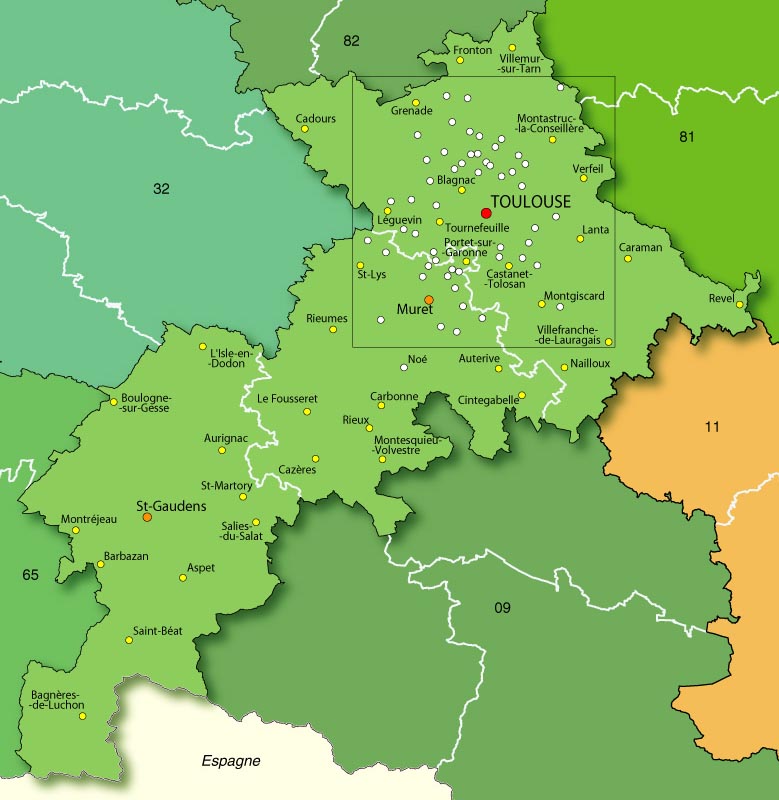
Haute-Garonne is a department in southwestern France named after the Garonne river. Its administrative capital and largest city is Toulouse, which serves as the regional hub for education, transport and high-technology industry. The historical and regional language is Occitan; the department’s Occitan name is noted as Nauta Garona.
Image gallery
8 Images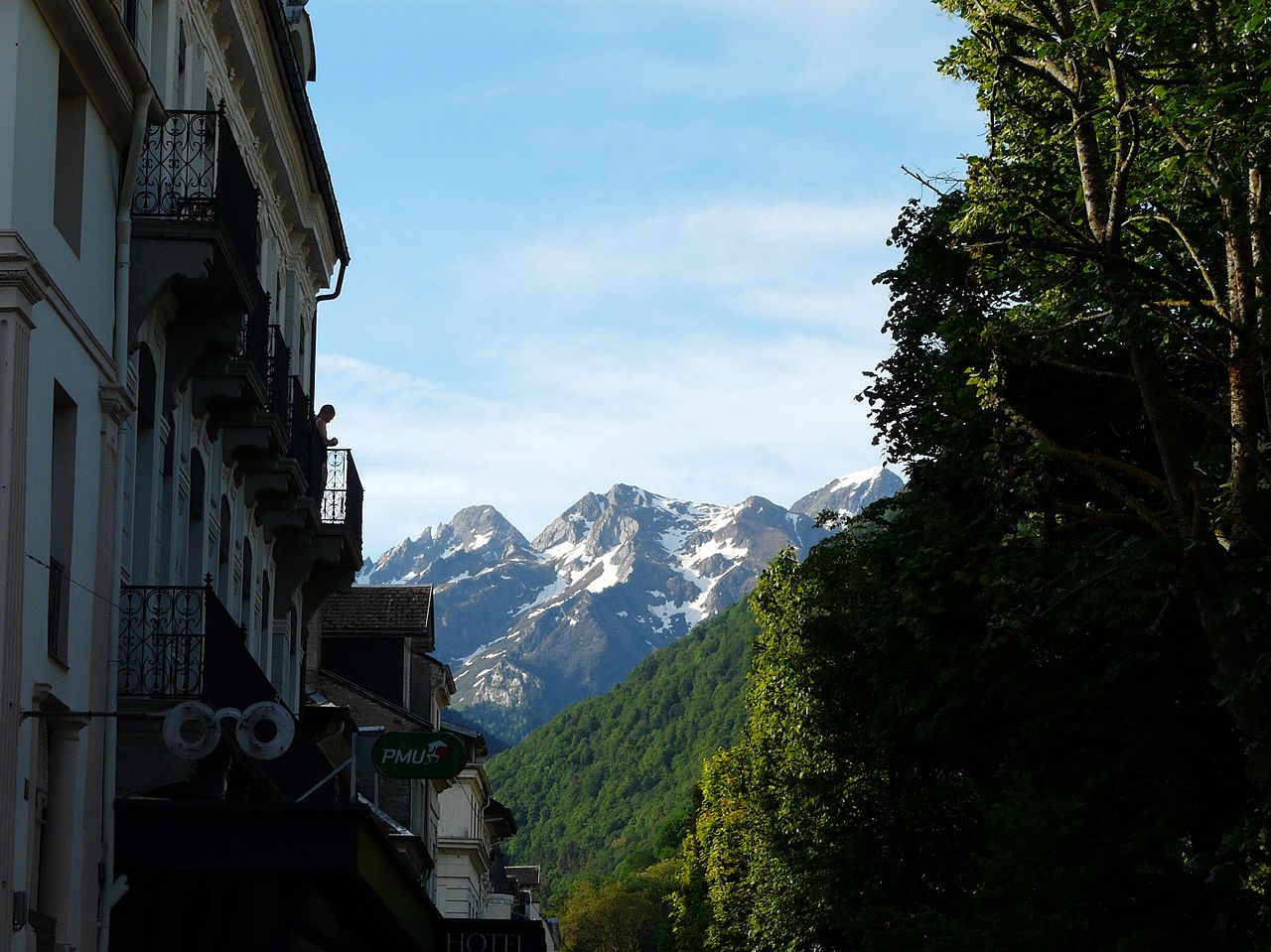


Geography and environment
The territory stretches from river plains in the north and west to rising foothills and peaks toward the Pyrenees in the south. The Garonne river is a dominant feature, shaping fertile valleys used for farming and forming part of a network of canals and waterways around Toulouse. Forests, limestone plateaus and mountain passes offer a mix of rural landscapes and outdoor recreation opportunities.
History and administration
Created during the French Revolution as one of the original departments, Haute-Garonne has evolved into a mix of urban and rural communities. It is organized administratively into communes and intercommunal structures typical of French local government; the term department denotes this level of administration. Historic architecture and medieval towns reflect long settlement and strategic importance along trade routes.
Economy and society
The area combines a strong urban economy centered on Toulouse — notable for aerospace, research and higher education — with agriculture and tourism in more rural zones. Toulouse’s universities and research institutions attract students and skilled workers, while mountain resorts and hiking areas draw visitors to the southern reaches. Transport links include river, road and air connections that reinforce the department’s economic role.
Culture and notable features
Occitan traditions remain visible in festivals, cuisine and place names. Architectural highlights include Romanesque churches, historic civic buildings and the canal systems linked to the Garonne. Visitors often explore a blend of modern industry and preserved rural heritage. The prefecture and departmental institutions are based in Toulouse, where municipal landmarks and cultural venues concentrate civic life (prefecture).
Quick facts and points of interest
- Major urban center: Toulouse, a national transport and technology hub.
- Key natural feature: the Garonne river and its valley.
- Southerly landscapes rise toward the Pyrenees, offering outdoor recreation.
Questions and answers
Q: What is Haute-Garonne?
A: Haute-Garonne is a department located in the southwest of France.
Q: What does the name Haute-Garonne mean?
A: Haute-Garonne means "Upper Garonne" in Occitan language.
Q: What is the Garonne River?
A: The Garonne River is a major river that runs through Haute-Garonne and several other departments in southern France.
Q: What is the main city in Haute-Garonne?
A: The main city and prefecture of Haute-Garonne is Toulouse.
Q: What is a prefecture?
A: A prefecture is an administrative center of a department or region in France.
Q: Why is Haute-Garonne named after the Garonne River?
A: Haute-Garonne is named after the Garonne River because the river runs through the department, and it is an important geographical feature of the area.
Q: What is the significance of Haute-Garonne in France?
A: Haute-Garonne is an important department in France because it is home to Toulouse, a major city known for its aerospace industry and cultural heritage.
Related articles
Author
AlegsaOnline.com Haute-Garonne: geography, history, economy and cultural highlights Leandro Alegsa
URL: https://en.alegsaonline.com/art/42853
Sources
- haute-garonne.fr : "Vos conseiller-e-s départementaux"
- insee.fr : "Département de la Haute-Garonne (31)"
- insee.fr : "Populations légales 2014 des départements et des collectivités d'outre-mer"
- archivesdefrance.culture.gouv.fr : "Création du département de Tarn-et-Garonne"
- peakbagger.com : "Perdiguero, France/Spain"
- annuaire-mairie.fr : "Le département de la Haut-Garonne"
- insee.fr : "Département de la Haute-Garonne (31)"
- insee.fr : "Régions, départements, arrondissements, cantons et communes: 31 - Haute Garonne"
- insee.fr : "Département de la Haute-Garonne (31) et Arrondissements"
- legifrance.gouv.fr : Décret n° 2014-152 du 13 février 2014 portant délimitation des cantons dans le département de la Haute-Garonne
- habitants.fr : "Habitants du départment: Haute-Garonne (31)"