
Hasmonean dynasty
Jewish ruling family established after the Maccabean Revolt that governed an independent Judean state in the 2nd–1st centuries BCE, expanding territory and combining priestly and royal authority until Roman intervention.
Overview
The Hasmonean dynasty was a Jewish ruling family that rose to power in the wake of the Maccabean Revolt and established an independent Judean polity during the Hellenistic period. Emerging from a priestly clan, the dynasty governed in the late 2nd and 1st centuries BCE, combining religious leadership with secular kingship, and is traditionally associated with the rededication of the Jerusalem Temple commemorated by the festival of Hanukkah.
Image gallery
10 Images




Origins and the Maccabean Revolt
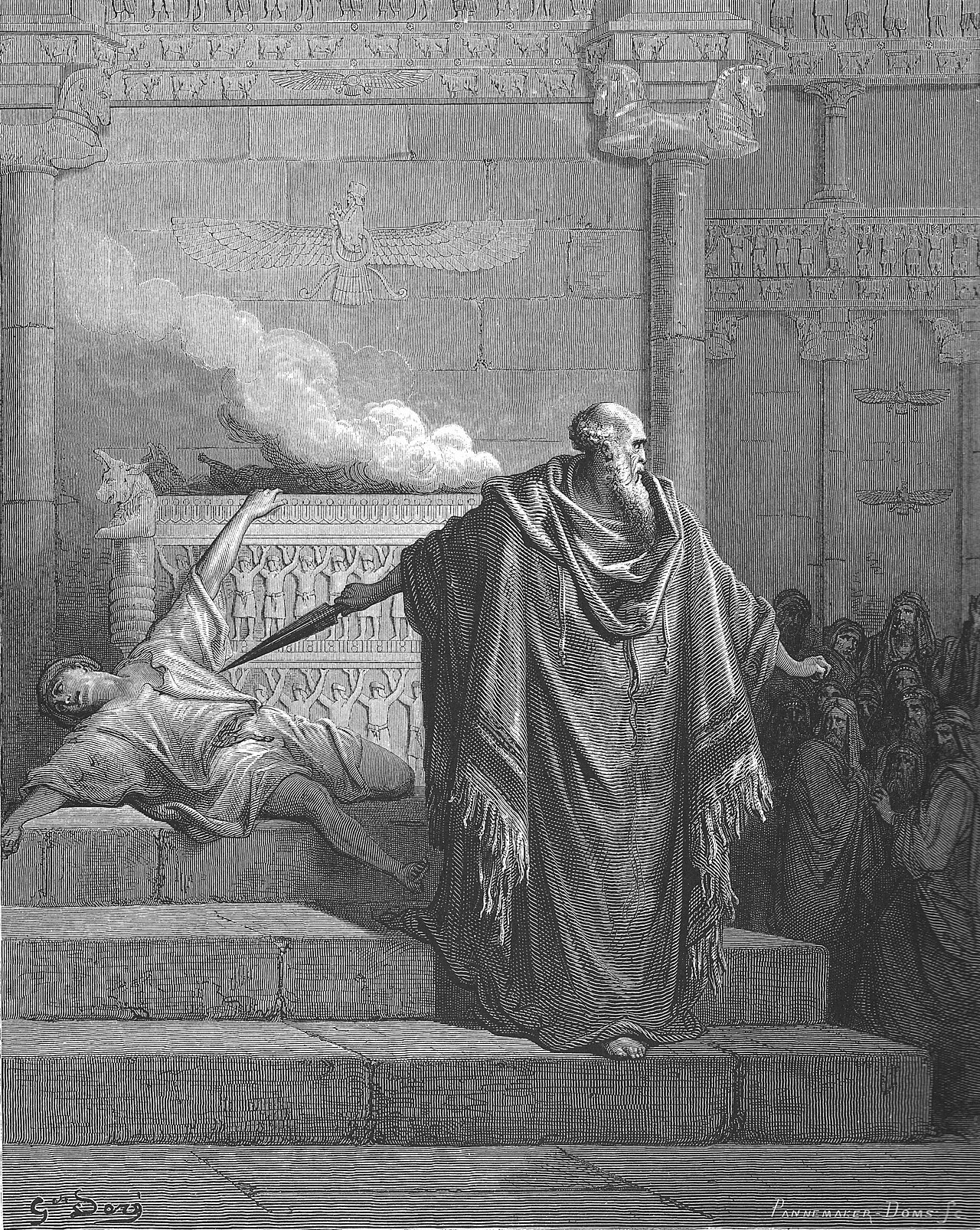
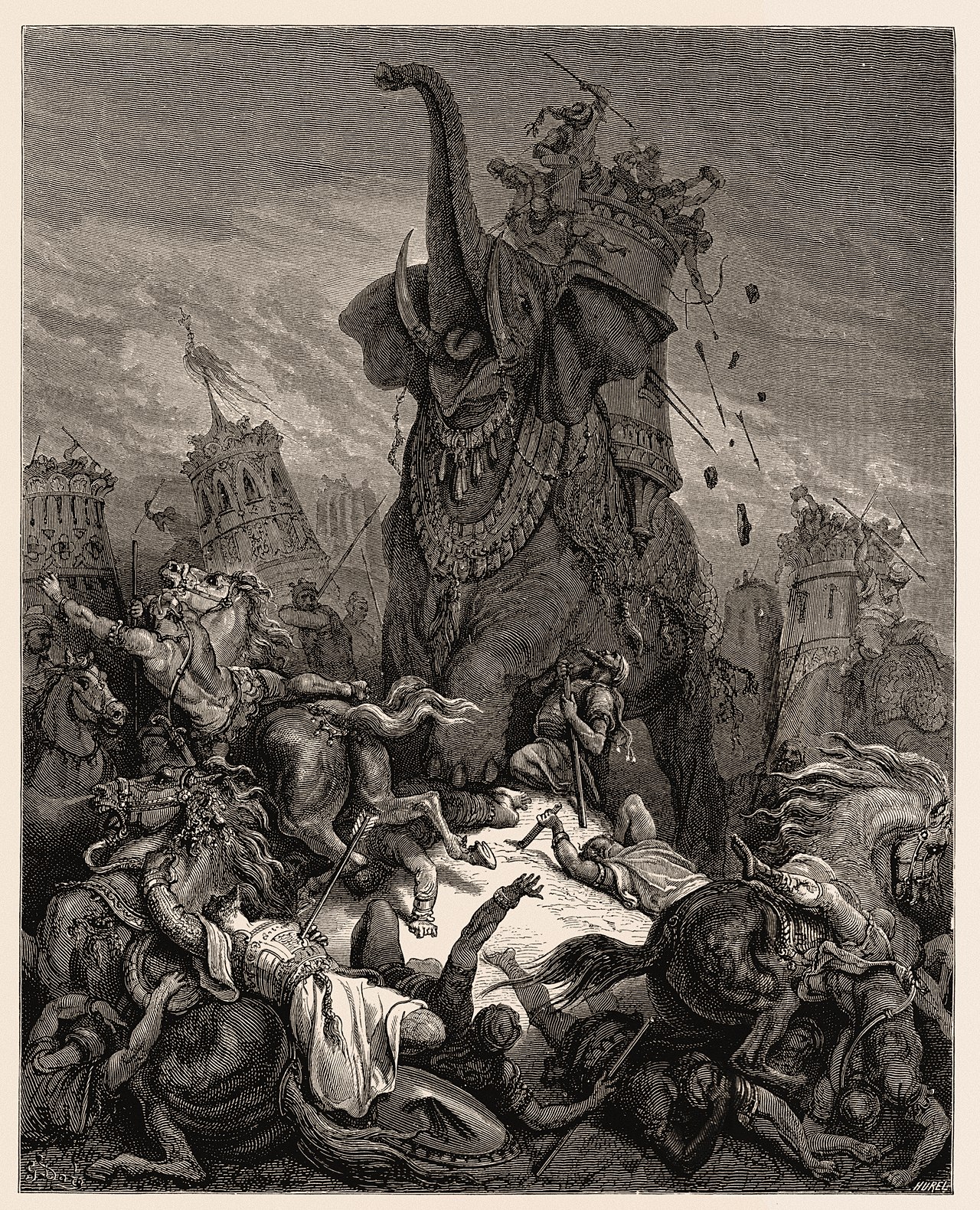
The movement that brought the Hasmoneans to prominence began as a resistance to perceived religious and political pressures under Hellenistic rule. The revolt, often called the Maccabean Revolt, was sparked by actions seen as hostile to Jewish practice and law. Leaders from the Hasmonean family, notably the Maccabee brothers, led guerrilla campaigns that weakened Seleucid control and created the conditions for autonomy in Judah.
Leadership and institutions
After achieving independence, senior members of the Hasmonean family held both the high priesthood and the position of ruler. This fusion of offices departed from earlier norms and provoked opposition from rival Jewish groups. Prominent figures include Judas Maccabeus (military leader), Jonathan and Simon (who consolidated political gains), John Hyrcanus and Aristobulus (who expanded authority), and Alexander Jannaeus and Salome Alexandra (who presided over periods of internal conflict and relative stability).
Territorial expansion and policies
The Hasmoneans enlarged Judean territory through conquest and annexation of neighboring districts. Their administration incorporated non-Jewish populations and sometimes pursued policies of religious integration; some ancient sources describe coerced conversions in newly acquired areas, a matter debated by modern historians. The dynasty balanced local traditions with elements of Hellenistic administration inherited from the Seleucid era and contact with Greek culture.
Relations with Rome and decline
Internal dynastic disputes and factionalism weakened Hasmonean authority in the 1st century BCE. Increasing Roman intervention in eastern Mediterranean politics culminated in the intervention of Roman generals and the capture of Jerusalem, which curtailed Hasmonean independence and transformed the dynasty into a client regime. Over time Hasmonean influence waned and was overtaken by other local ruling arrangements.
Legacy and historiography
The Hasmonean era is significant for Jewish political history: it created a period of Jewish sovereignty between larger imperial powers, left a lasting religious legacy in the Temple's rededication, and shaped debates about the relationship between priesthood and monarchy. Modern scholarship studies the dynasty through a mix of biblical, Jewish, Hellenistic, and Roman sources, treating some details with caution where ancient accounts conflict.
For more detailed discussion of the revolt and the region, see entries on the Maccabean Revolt, the history of Judah, the Seleucid world, and broader Greek influences in the eastern Mediterranean.
Related articles
Author
AlegsaOnline.com Hasmonean dynasty Leandro Alegsa
URL: https://en.alegsaonline.com/art/42754