
Harry Caray: American Baseball Broadcaster and Cultural Figure
Profile of Harry Caray (1914–1998), a widely known American radio and TV baseball announcer noted for his exuberant style, long Chicago Cubs tenure, influence on sports broadcasting, and personal history.
Harry Caray (born Harry Christopher Carabina; March 1, 1914 – February 18, 1998) was an American baseball broadcaster whose career spanned radio and television. He became a household name through his exuberant, conversational play-by-play and his ability to connect with fans. Caray is especially remembered for his long association with the Chicago Cubs, although he also called games for several other major-league teams.
Image gallery
7 Images



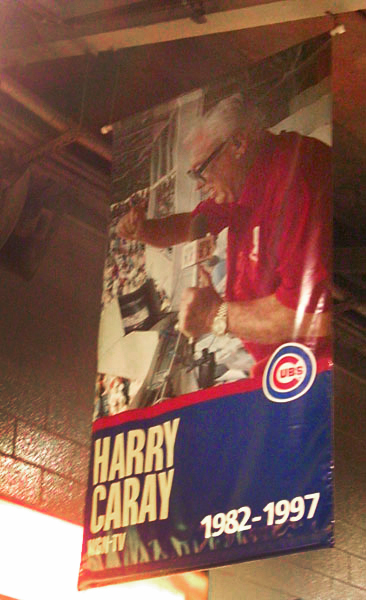
Career and teams
Over the decades Caray worked with multiple franchises and media outlets. Notable teams he covered include:
His tenure with the Chicago Cubs, where he spent many of his later years, made him one of the most recognizable voices in baseball. He also came from a family of broadcasters; his son Skip Caray followed him into the profession.
Style and public persona
Caray's broadcasts were characterized by a warm, folksy delivery, frequent humorous asides, and a tendency to sing or shout celebratory lines that became part of baseball lore. He cultivated rapport with listeners and was valued for making the play-by-play accessible to casual fans while maintaining credibility with longtime followers.
Legacy and cultural impact
Beyond statistics and game accounts, Caray helped shape the role of the sports broadcaster as entertainer and storyteller. His influence is often cited by later announcers who blend analysis with personality. While opinions about his on- and off-air behavior varied, his name remains linked to mid-to-late 20th century American baseball culture.
Death and remembrance
Caray died on February 18, 1998, after suffering a cardiac arrest following an accidental fall in Rancho Mirage, California; the event is commonly reported as involving a head injury when he struck a table there. He was 83. He was buried in Des Plaines, Illinois, where fans and colleagues later recalled his long career and colorful personality near Chicago.
For readers seeking more information about broadcasts, recordings, and commemorations, archival collections and fan sites provide extensive material and oral histories documenting Caray's distinctive contributions to the game.
Related articles
Author
AlegsaOnline.com Harry Caray: American Baseball Broadcaster and Cultural Figure Leandro Alegsa
URL: https://en.alegsaonline.com/art/42596
Sources
- nytimes.com : "Harry Caray Remembered As Baseball Ambassador"