
Angus: historic county and modern council area on Scotland’s east coast
Angus is a historic county and a contemporary council area on Scotland’s east coast, known for its agricultural lowlands, the Angus Glens, coastal towns, and sites such as Arbroath Abbey and Carnoustie golf links.

Overview
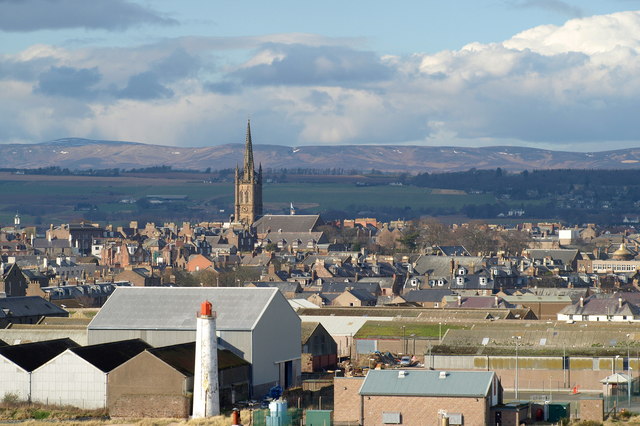
Angus is a region on Scotland’s eastern seaboard that exists both as a historic county and as a modern local authority. The area stretches from the North Sea coastline inland to upland glens and moorland. The traditional county town is Forfar, while the city of Dundee lies on the southern edge of the historic county but is a separate council area today. Angus’s identity blends agricultural lowlands, coastal ports and scenic highland valleys.
Image gallery
6 Images



Geography and landscape
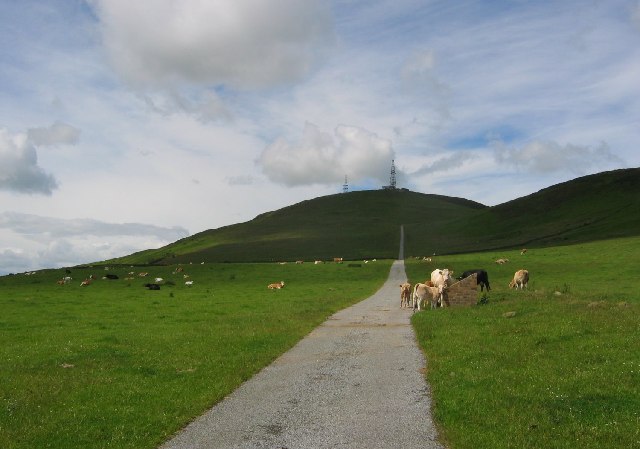
Angus occupies a varied landscape. Much of the low-lying eastern portion is fertile farmland and arable country, valuable for cereals and soft fruit. To the north and west the land rises into the Angus Glens — a series of valleys that form part of Scotland’s Grampian fringe and provide routes into higher moorland. The coastline features sandy bays, rocky headlands and estuaries such as the Firth of Tay, which shapes the southern boundary.
History and cultural highlights
Historically the area has been known for its role in Scottish medieval and later history; the county is sometimes referred to by its older name, Forfarshire, in historical records. One of Angus’s most famous historic monuments is Arbroath Abbey, the medieval abbey where the Declaration of Arbroath was associated; it remains an important symbol of Scotland’s past. Small towns and parishes in Angus preserve traditional festivals, local crafts and culinary specialities such as the Forfar bridie.
Administration and distinctions
Administratively, the modern council area called Angus covers much of the traditional county but does not include Dundee, which is administered separately. Local government reorganisations in the late 20th century altered the boundaries used for services and representation, so references to Angus can mean the historic county, the registration county, or the contemporary council area depending on context.
Economy, transport and attractions
Angus’s economy is diverse: agriculture remains important, while coastal towns have maritime and processing activities. The region attracts visitors for golf at Carnoustie, wildlife and wetland interest at places like Montrose Basin, and historic sites such as Arbroath Abbey and Brechin’s round tower. Transport links include the A90 corridor and railway services that connect towns with Dundee, Aberdeen and central Scotland.
Notable towns and places
- Forfar — traditional county town and local administrative centre.
- Arbroath — coastal town famed for its abbey and maritime history.
- Carnoustie — internationally known for its championship golf course.
- Montrose and Brechin — towns with harbours, historic architecture and nature reserves.
For further geographic context see North Sea and the wider nation of Scotland within the United Kingdom. Contemporary information and local services are maintained by the council and local heritage organisations; for administrative details consult the relevant council resources and conservation groups.
Related articles
Author
AlegsaOnline.com Angus: historic county and modern council area on Scotland’s east coast Leandro Alegsa
URL: https://en.alegsaonline.com/art/4247