
Hardin County, Illinois
Hardin County is a small, historically rooted county in southern Illinois. Founded in 1839, its seat is Elizabethtown; it is the least populous Illinois county and notable for river scenery and cave recreation.
Overview
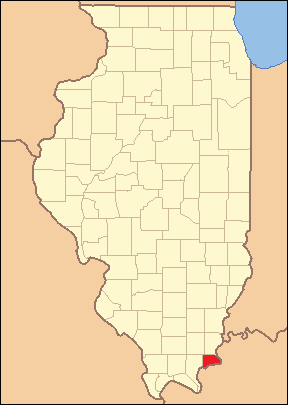
Hardin County is a rural county in the U.S. state of Illinois. Located along the Ohio River in the state's southern region, the county is characterized by low population density, rolling river bluffs and a landscape used mainly for farming and outdoor recreation. The county seat is Elizabethtown, a small community that serves as the administrative center and focal point for local services. For basic official data and historical counts see the 2010 census entry for the area.
Image gallery
5 Images


History
Hardin County was established in 1839 as settlers moved into the fertile river valleys of southern Illinois. The county took its name from Hardin County, Kentucky, reflecting migration and naming patterns common in the 19th century. That Kentucky county itself honored Colonel John Hardin; the name recalls military figures and events from the era of the American frontier and conflicts such as the American Revolutionary War.
Geography and environment
The county's terrain is influenced by the Ohio River, which forms a natural boundary and provides scenic bluffs, boat access and wetland habitats. Forested hollows and limestone outcrops are common; these features have influenced land use and attract visitors interested in hiking, birding and cave exploration. The county's location near Kentucky has shaped transport and cultural ties across the river.
Population and government
According to the 2010 census, Hardin County had a population of 4,320, making it the least populous county in Illinois. Local government is organized around a county board and small municipal governments centered in Elizabethtown and a few other communities. Services, schools and public works reflect the challenges and advantages of administering a sparsely settled rural county.
Economy, recreation and notable features
Economic activity is largely agricultural, supplemented by small businesses and tourism tied to state parks, river recreation and historic sites. Visitors come for fishing, boating, camping and to see caves and limestone formations. The county's modest historic towns preserve 19th-century buildings and provide a gateway to outdoor experiences along the Ohio River.
Further information
For official records, demographic updates and local resources consult county and state portals or regional guides. Local history collections, state park materials and census summaries offer the best starting points for learning more about the county's development and present-day character.
County seat information | County overview | Illinois resources
Related articles
Author
AlegsaOnline.com Hardin County, Illinois Leandro Alegsa
URL: https://en.alegsaonline.com/art/42415
Sources
- quickfacts.census.gov : "State & County QuickFacts"
- naco.org : "Find a County"