
Andros, Bahamas
Andros is the largest island group in the Bahamas, noted for its extensive mangroves, the Andros Barrier Reef, numerous blue holes, and a culture built on fishing, subsistence agriculture and eco-tourism.
Overview
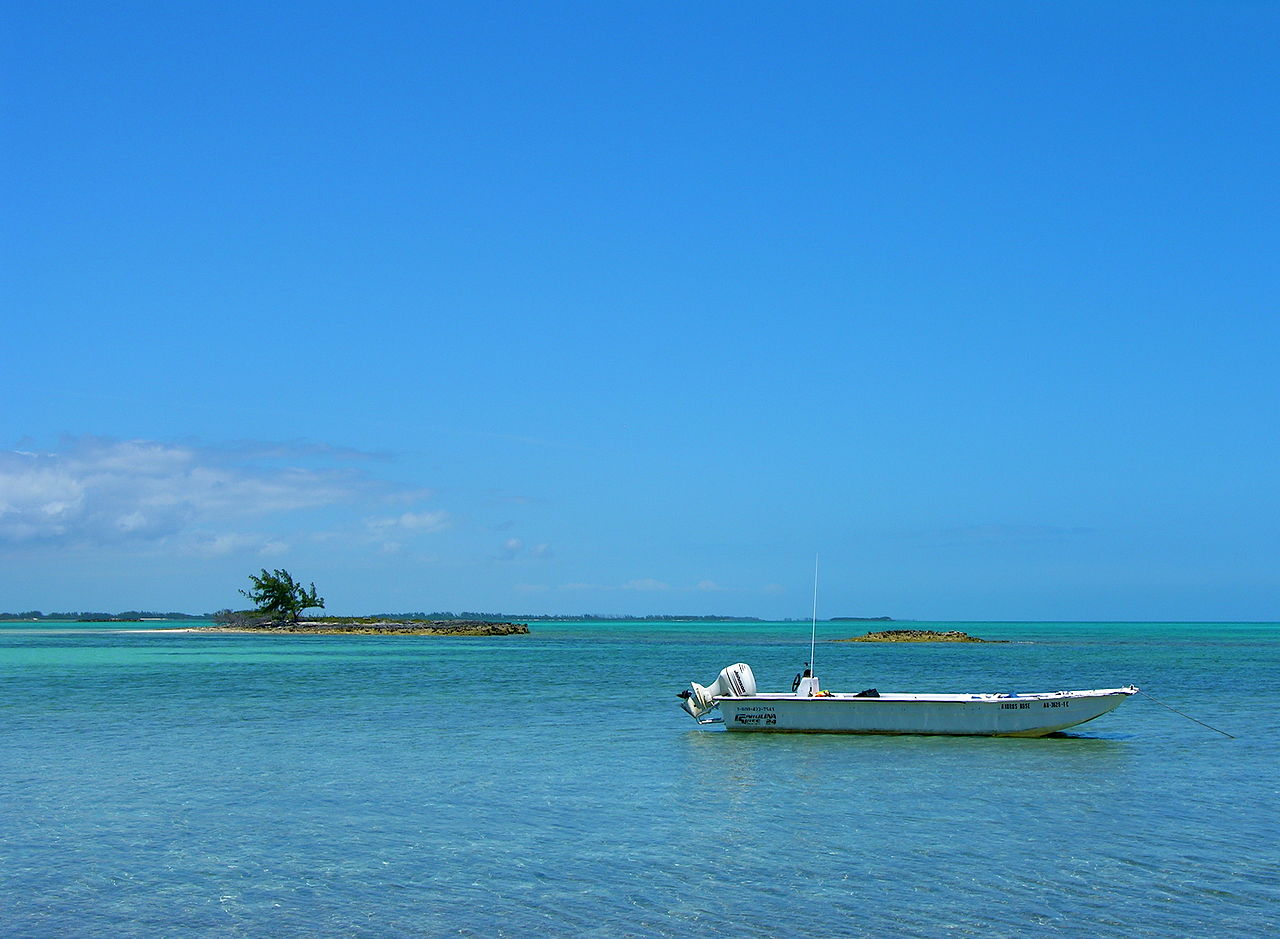
Andros is an island group in the Bahamas recognized for its broad swaths of mangrove, tidal creeks and a low-lying, reef-fringed shoreline. Sometimes described as an archipelago, Andros is the largest of the inhabited Bahamian islands and is often called "The Sleeping Giant" or "The Big Yard." It is commonly treated as three principal landmasses—North Andros, Mangrove Cay, and South Andros—connected by shallow waterways and a scattering of cays. The island group stretches roughly 104 miles (about 167 km) in length.
Image gallery
10 Images




Geography and natural features
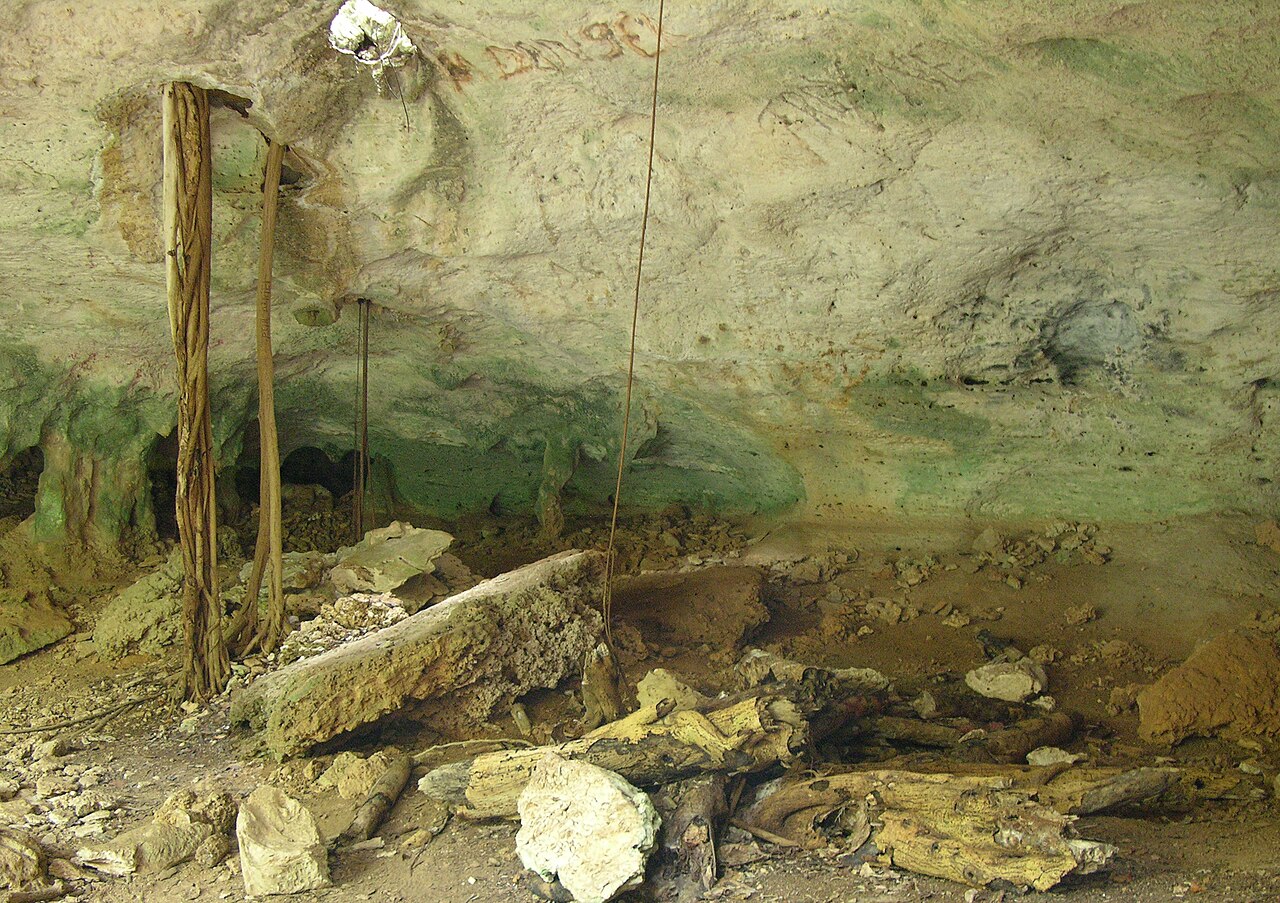
Much of Andros is composed of limestone and peat with extensive mangrove forests and black soil flats. The coastline is dominated by the Andros archipelago of cays, tidal marshes and estuaries that provide nursery habitat for fish and birds. Offshore the Andros Barrier Reef runs parallel to the shore and is widely regarded as the third largest barrier reef system in the world after Australia's Great Barrier Reef and the Belize Barrier Reef. Inland and along the coast appear numerous sinkholes known locally as blue holes; Andros contains one of the most concentrated collections of these vertical caverns anywhere on Earth.
Ecology and wildlife
The mosaic of mangroves, pineyards, and reef supports diverse wildlife: commercial and sport fish species, wading birds, migratory shorebirds and marine invertebrates. Andros is particularly well known internationally for bonefishing—anglers come to shallow flats to catch bonefish and permit. The blue holes and caves are habitats for specialized aquatic life and are of interest to scientists studying hydrology, paleoclimate and cave ecosystems.
History and human presence
Settlement on Andros dates to indigenous Lucayan occupation followed, like the rest of the Bahamas, by colonial-era plantation activities and later fishing and small-scale farming. Today communities are generally small and dispersed across the island group, with economies that blend fishing, artisanal crafts, and growing eco-tourism. Visitors typically arrive by domestic flights or ferry connections from Nassau and other islands.
Uses, conservation and tourism
Andros attracts travelers interested in off-the-beaten-path nature, sport fishing, scuba diving in blue holes, and reef exploration. Conservation organizations, local stakeholders and government agencies work on reef protection, mangrove conservation and sustainable fisheries to balance livelihoods and environmental protection. Pressures include coastal development, invasive species, and climate-related sea-level rise.
Notable facts and distinctions
- The island group is the largest single landmass in the Bahamas by area and contains hundreds of smaller cays and islets.
- Andros is internationally noted for its barrier reef and for hosting a dense network of blue holes that attract divers and researchers.
- Local culture emphasizes hands-on marine skills and subsistence traditions alongside an expanding ecotourism sector.
For general reference about the island group and travel information consult regional guides and local resources such as Bahamas tourist materials and dedicated pages for North Andros, Mangrove Cay and South Andros. Detailed scientific and conservation information can be found through organizations that study coral reefs and karst systems (archipelago studies, global reef comparisons).
Tags
Related articles
Author
AlegsaOnline.com Andros, Bahamas Leandro Alegsa
URL: https://en.alegsaonline.com/art/4052
Sources
- ancat.net : "Andros Barrier Reef"
- ngm.nationalgeographic.com : "National Geographic/ Aug 2010, Blue Holes"