
Hamitic hypothesis: history, claims, influence, and legacy
An overview of the Hamitic hypothesis—its origins, how it classified people by language and perceived ancestry, its role in colonial and scholarly thought, and why it is now discredited.
Overview
The term "Hamitic" originated in 19th-century European scholarship as part of an attempt to explain patterns of language, culture and physical traits in Africa through biblical and racial frameworks. Proponents proposed a distinct Hamitic race that they considered different from other African groups, often set against what they called Negroid peoples. This body of ideas is commonly known today as the "Hamitic hypothesis" or "Hamitic theory." It mixed linguistic observation, classical and biblical references, and racial assumptions to produce a classification that influenced scholarship and colonial policy for decades.
Image gallery
7 Images



Historical development
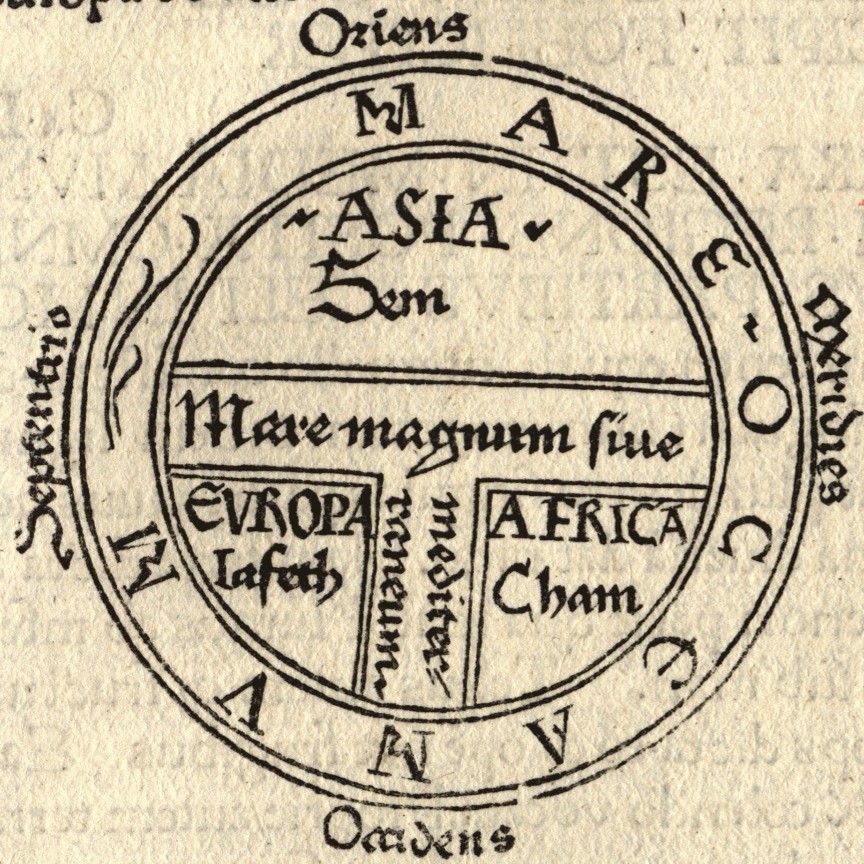
The hypothesis took shape in the 19th century. Explorers and early anthropologists—including figures such as John Hanning Speke—advanced the idea that some African populations were descended from a distinct line associated with Ham, a figure from the Bible. Later writers and linguists, including Karl Richard Lepsius and Carl Meinhof, sought to refine these ideas by using comparative methods. They attempted to link languages and material culture to a putative Hamitic stock, and to identify "civilising" influences in parts of Africa as the work of Hamitic peoples rather than indigenous development.
Claims and methods of classification
Classification under the Hamitic hypothesis used several criteria in combination, though none were consistent by modern scientific standards. Common elements included:
- Language: linguists sometimes treated certain Afroasiatic languages or language groups as "Hamitic" and contrasted them with others; this usage is now obsolete and replaced by more accurate linguistic families and subgroupings (see language classification studies).
- Physical traits: observers cited physical appearance, stature or skull measurements as evidence—methods that later came under major criticism for bias and methodological flaws.
- Cultural markers: perceived differences in political systems, technology, or social organization were interpreted as evidence of external "Hamitic" influence.
Impact and examples of influence
The Hamitic hypothesis had consequences beyond academic debate. It fed into colonial administrations' efforts to classify populations, informed archaeological interpretations, and was used rhetorically to justify unequal treatment and European supremacy. In parts of East Africa and Central Africa, missionaries, colonial officials and some local elites adopted Hamitic labels to rank groups, a process that could harden fluid identities into rigid categories.
Examples of effects include:
- Policy and governance decisions that privileged groups deemed more "Hamitic" or closer to European norms.
- Scholarly narratives that attributed technological or political achievements to supposed Hamitic migrants rather than local innovation.
- Long-term social tensions where external classification interacted with local histories and inequalities.
Modern assessment and legacy
Contemporary linguistics, genetics and anthropology reject the Hamitic hypothesis as a scientific explanation. The term "Hamitic" is regarded as outdated because it conflated language, culture and race and rested on untested assumptions. Linguists now place the languages once labeled "Hamitic" within better-defined families such as Afroasiatic and distinguish subgroups without invoking a separate racial category. Researchers also emphasize that many historical claims tied to the hypothesis reflected colonial prejudices rather than evidence-based conclusions.
Notable distinctions and cautionary note
While the Hamitic hypothesis played a role in the development of African studies, its primary legacy is a cautionary example of how classification can be shaped by ideological commitments. Modern scholarship stresses careful methodological separation of linguistic, genetic and cultural evidence and treats identity categories as historically contingent. Readers seeking further historical sources or critiques should consult specialized works and critical reviews of 19th- and 20th-century colonial-era scholarship.
Further reading: surveys of colonial anthropology, histories of African linguistics, and critiques of scientific racism provide context for understanding the rise and fall of the Hamitic hypothesis.
Related articles
Author
AlegsaOnline.com Hamitic hypothesis: history, claims, influence, and legacy Leandro Alegsa
URL: https://en.alegsaonline.com/art/42068