
Hebrew people: origins, identity, and historical significance
Overview of the Hebrews: ancient Semitic groups in the Near East, biblical traditions of descent, cultural and linguistic traits, the Exodus narrative, and their place in history and religion.
The term "Hebrews" traditionally refers to ancient Semitic-speaking groups of the Near East associated with the ancestors of the Israelite people. In broad usage it denotes an ethnolinguistic identity with roots in the early cultures of the Semitic world and the wider Middle East. The label appears in biblical texts and later Jewish, Christian and Islamic traditions, where it is connected to the patriarchal narratives of Abraham and his descendants.
Image gallery
5 Images


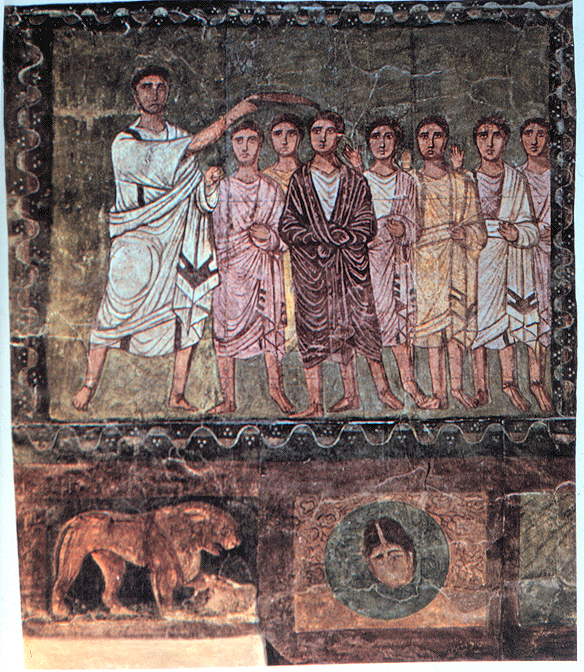

Origins and ancestral traditions
Biblical accounts present the Hebrews as descendants of Abraham and his sons. In these traditions the line through Isaac is associated with the Israelites, while other lineages (such as that attributed to Ishmael) are connected with neighboring peoples. Genealogies in scripture trace further back to Shem, son of Noah, situating Hebrews among the families that populate ancient Near Eastern origin stories alongside descendants of Japheth and Ham.
Language, society and culture
Historically the Hebrews spoke early varieties of what developed into the Hebrew language, part of the Northwest Semitic group. Their social organization combined clan and tribal structures, agricultural and pastoral livelihoods, and legal-religious customs preserved in written form in later centuries. Material culture and settlement patterns evolved through the Bronze and Iron Ages, and the identity of "Hebrew" gradually became associated more specifically with the Israelite kingdoms and their descendants.
Exodus and religious texts
A central episode in Hebrew tradition is the liberation from Ancient Egypt, recounted in the book called Exodus (Hebrew: Shemot). This narrative, preserved in the Torah and discussed across Jewish and Christian literature, shapes theological claims, collective memory, and ritual observance. Translations and commentaries in English and many other languages have made these texts influential far beyond their original communities.
Historical and scholarly perspectives
Modern historians and archaeologists study the Hebrews through a combination of textual analysis and material evidence. While the biblical narratives are primary sources for traditional accounts, scholars distinguish between theological storytelling and the complex archaeological record of settlement, state formation and cultural exchange in the Levant. Debates continue about how names and identities used in ancient inscriptions relate to the people called "Hebrews" in scripture.
Legacy and distinctions
Over time "Hebrew" has had multiple senses: an ancient ethnolinguistic designation, a religious-cultural identity, and the source term for later national and linguistic revival. The Hebrews' religious traditions gave rise to Judaism and influenced Christianity and Islam. Understanding the term today requires attention to biblical tradition, historical research, and the ways communities have remembered and reinterpreted their past.
- See also: early Israelite history, Torah narratives, and Northwest Semitic languages.
- For primary texts and translations consult academic editions and reputable translations linked in specialized resources.
Semitic | Middle East | Israelites | Isaac | Ishmael | Shem | Noah | Japheth | Ham | Ancient Egypt | Exodus | English | Shemot
Questions and answers
Q: Who are the Hebrews?
A: The Hebrews are an ancient Semitic people of the Middle East.
Q: Who are the ancestors of the Israelites and Arabs?
A: The Israelites are the descendants of Isaac while the Arabs are the descendants of Ishmael.
Q: Who do the Hebrews descend from?
A: The Hebrews descend from Shem, son of Noah and cousin to the descendants of Japheth and the descendants of Ham.
Q: What is the book in Hebrew that recounts the escape of the Hebrews from ancient Egypt?
A: The book in Hebrew that recounts the escape of the Hebrews from ancient Egypt is called Shemot שמות.
Q: What is the book in English that recounts the escape of the Hebrews from ancient Egypt?
A: The book in English that recounts the escape of the Hebrews from ancient Egypt is called Exodus.
Q: How is the escape of the Hebrews from ancient Egypt recounted?
A: The escape of the Hebrews from ancient Egypt is recounted in the Torah.
Q: What is Torah?
A: Torah is the main text of Judaism that includes the written and oral law and teachings.
Related articles
Author
AlegsaOnline.com Hebrew people: origins, identity, and historical significance Leandro Alegsa
URL: https://en.alegsaonline.com/art/43162