
Hattians — ancient inhabitants of Hatti (central Anatolia)
Pre‑Indo‑European people of central Anatolia whose Hattic language and religious practices shaped later Hittite culture. Known from archaeological sites and Hittite-era texts.
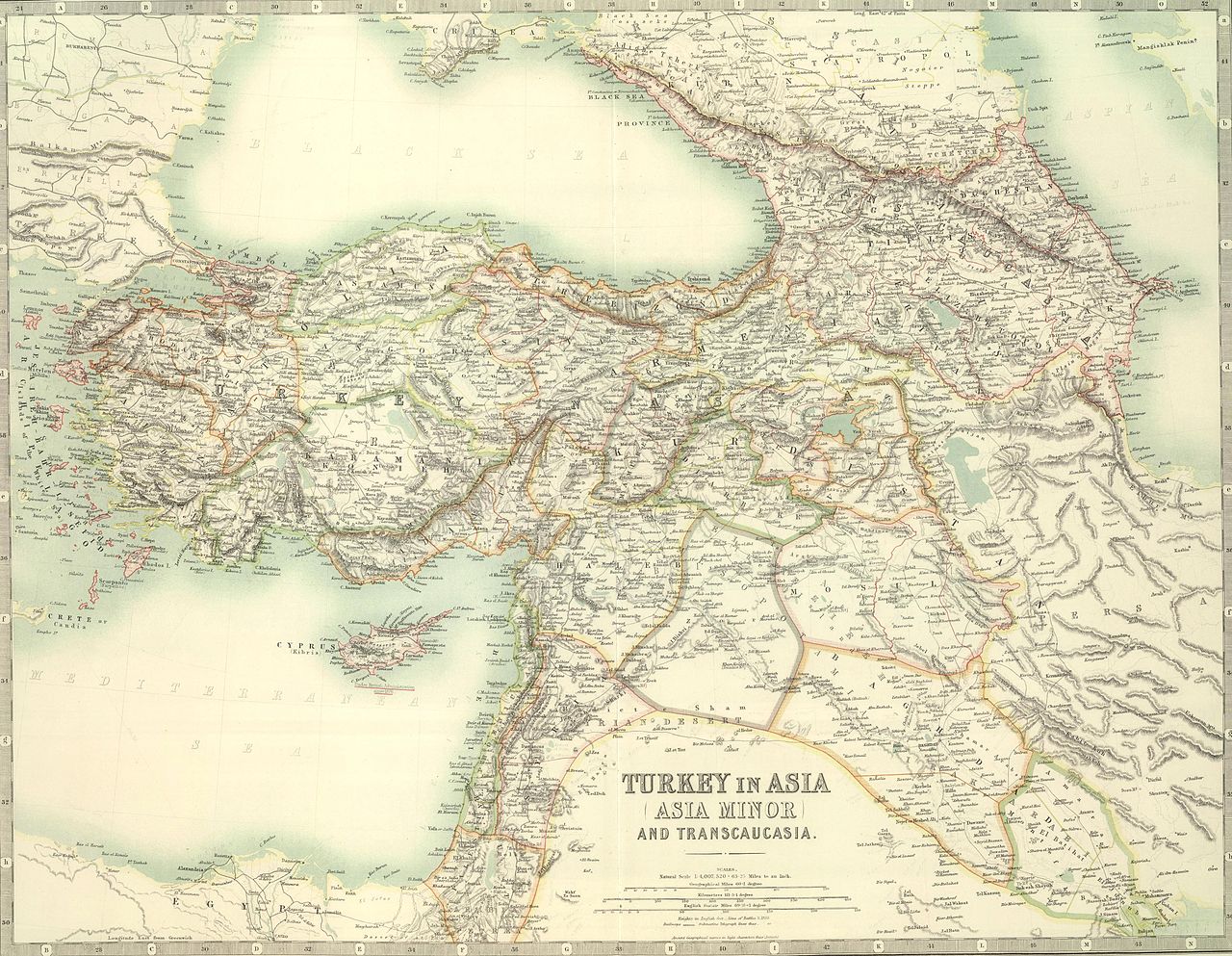
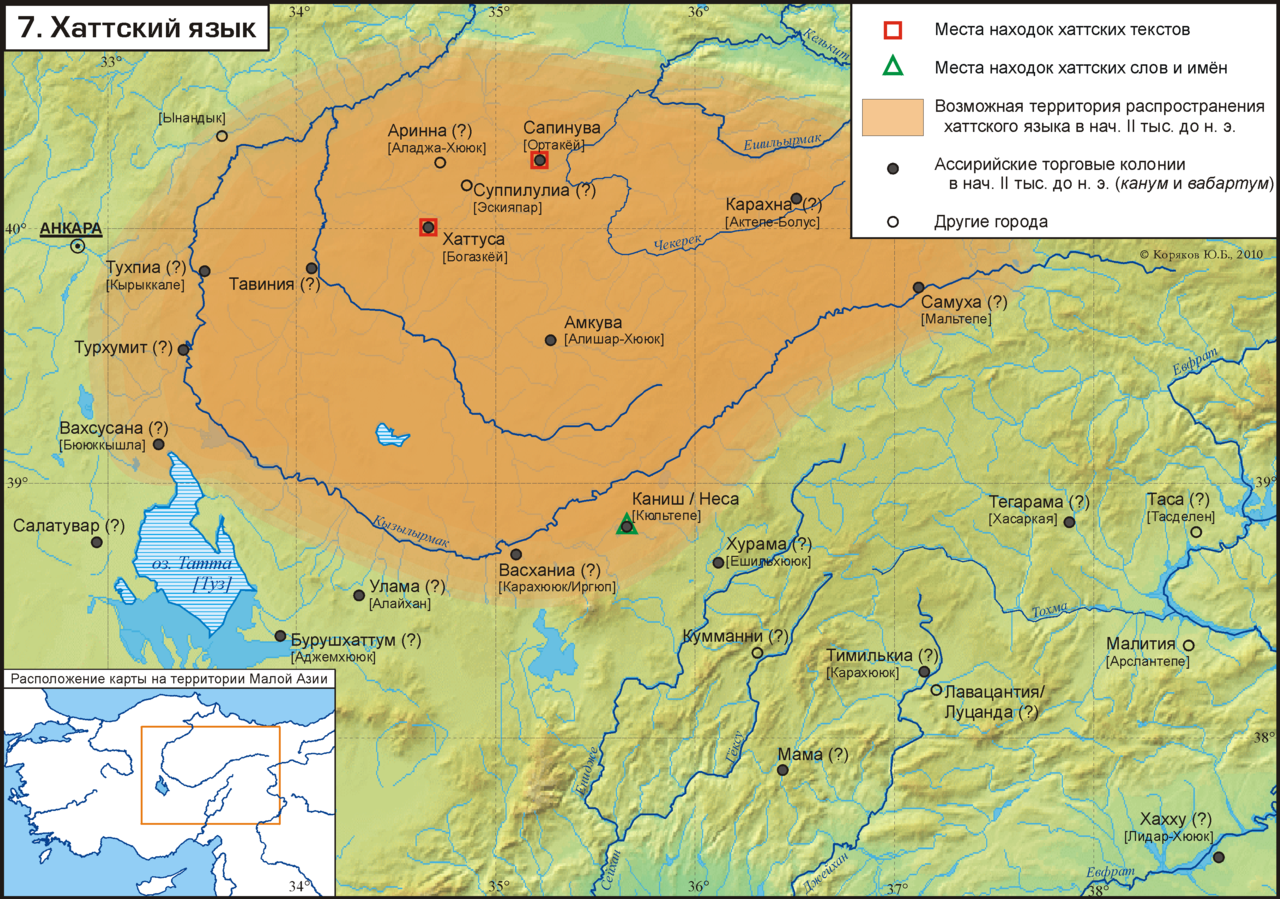
The Hattians were an ancient, non‑Indo‑European population who lived in the region known in antiquity as Hatti, in central Anatolia. Their name survives in classical and Hittite sources as the designation for the land and its early inhabitants. Archaeology and later textual records show a distinctive cultural tradition that preceded and was partly incorporated by the rising Hittite polities.
Image gallery
5 Images


Language and identity
The Hattic language—often called Hattic—is not related to Indo‑European languages and is known only from a limited number of ritual texts, place names, and glosses preserved in Hittite cuneiform. It appears to have been a local, pre‑Hittite tongue; details of its grammar and wider family relationships remain uncertain because surviving records are fragmentary.
Archaeology and settlements
Material remains attributed to Hattian communities come from central Anatolian sites, including Hattusa and surrounding settlements. Pottery styles, building foundations, and ritual installations show cultural continuity through the late Chalcolithic into the Bronze Age. These sites indicate organized towns and religious centers rather than only dispersed rural groups.
Religion and cultural influence
Religious practices are one of the best‑documented aspects of Hattian culture because the later Hittites preserved many Hattic rituals and deity names. Hittite kings adopted local cults and temple rites, integrating Hattian gods and ceremonial forms into their state religion. This transmission shaped Anatolian religion for centuries.
History, relations, and legacy
During the early to mid‑Bronze Age the Hattians existed alongside incoming groups such as the Hittites and Hurrians. As Hittite power expanded, Hattian polities were absorbed politically and culturally, and the distinct Hattian identity gradually faded. The toponym Hatti and traces of Hattic vocabulary and ritual persisted in Hittite texts and later Anatolian traditions.
Notable facts
- Hattic is classified as non‑Indo‑European and remains only partly understood.
- Many Hattian religious customs were adopted and adapted by the Hittites.
- Archaeological evidence links Hattian culture particularly to central Anatolia around the future Hittite capitals.
The study of the Hattians combines archaeological fieldwork with philological analysis of Hittite archives; although gaps remain, their influence on the cultural landscape of ancient Anatolia is clear.
Related articles
Author
AlegsaOnline.com Hattians — ancient inhabitants of Hatti (central Anatolia) Leandro Alegsa
URL: https://en.alegsaonline.com/art/42814